How to Prune Kidney saxifrage?
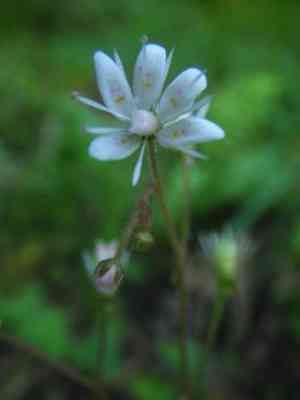
Kidney saxifrage, a resilient perennial, flourishes with consistent care. Remove spent or wilting blossoms to stimulate fresh flowering and preserve the plant's well-being. The most suitable times for trimming are spring, summer, and early autumn, coinciding with kidney saxifrage's periods of growth and blooming. Routine cutting back during these months aids in preventing excessive growth and fosters robust, healthy development. Pruning not only sculpts kidney saxifrage but also elevates its decorative charm, rendering it an essential activity for cultivators seeking both visual attractiveness and plant vigor.
Advantages of Trimming Kidney Saxifrage
Advantages of Trimming Kidney Saxifrage
Trimming kidney saxifrage promotes robust development and preserves its compact form, crucial for its visual appeal and vitality. Eliminating dead or overgrown stems improves light penetration and air circulation, lowering disease risk and fostering strong health.
Optimal Time for Trimming Kidney Saxifrage
Optimal Time for Trimming Kidney Saxifrage
Trimming kidney saxifrage in Spring is ideal, preparing the plant for vigorous growth during the active season by removing dead or weak stems, which enhances air circulation and light exposure. Summer trimming helps manage the size and shape of kidney saxifrage, maintaining its attractive look and removing any diseased or damaged parts. Fall trimming is beneficial for readying kidney saxifrage for winter by clearing old growth and any foliage that might harbor pests or diseases in colder months. Each season aligns with kidney saxifrage's natural growth cycle, ensuring the plant's overall health and vigor, leading to more abundant blooms in subsequent growing seasons.
Tools Required for Trimming Kidney Saxifrage
Hand Pruners
Perfect for cutting back dead or overgrown stems and leaves on kidney saxifrage. These enable precise targeting of specific areas without harming the small, delicate structure of kidney saxifrage.
Gardening Scissors
Excellent for thinner or smaller stems, especially useful when trimming kidney saxifrage's smaller, intricate leaf clusters. Gardening scissors offer the precision needed for careful trimming without damaging the plant's compact growth habit.
Leaf Snips
Suitable for deadheading and removing spent flowers to encourage more blooming and maintain kidney saxifrage's aesthetic appeal. Their ease of use and small blade size assist in handling minute and sensitive tasks.
How to Trim Kidney Saxifrage
Identify
Locate and remove diseased and withered leaves from kidney saxifrage. Carefully inspect the plant for any leaves showing signs of illness or that have completely dried out. Use sterilized sharp scissors to make clean cuts at the base of each affected leaf to prevent disease spread and encourage healthy development.
Clean cut
Remove dead branches from kidney saxifrage. Look for branches that show no signs of new growth and are brittle. Using clean, sharp pruning shears, make cuts at a 45-degree angle just above a live bud or lateral branch to promote healthier, more vigorous growth.
Disinfect tools
Sanitize your pruning tools after removing diseased parts. To prevent pathogen spread to healthy areas of kidney saxifrage or other plants, clean your shears with a solution of one part bleach to nine parts water or use rubbing alcohol. Allow tools to dry completely before reuse.
Careful pruning
Specifically cut back diseased branches. Identify branches with visible signs of disease such as unusual spotting, discoloration, or decay. Carefully remove these branches by cutting them back to a healthy section, ensuring not to spread the disease to other parts of kidney saxifrage.
Tidy up
Clear all trimmed debris from around kidney saxifrage. Remove and dispose of all cuttings, especially those from diseased or dead plant parts, to reduce the risk of re-infection. Properly dispose of waste according to local guidelines to prevent further disease spread.
Common Trimming Errors with Kidney Saxifrage
Overpruning
Many gardeners, particularly beginners, tend to overprune kidney saxifrage, which can severely weaken the plant. Removing too much foliage at once can reduce the plant's ability to photosynthesize and hinder its growth.
Incorrect Technique
Using improper trimming methods can harm kidney saxifrage. Cuts should be clean and made at the correct angle to avoid creating large, open wounds susceptible to disease.
Neglecting Tool Hygiene
Not cleaning trimming tools before and after use can spread disease from one plant to another. This is especially crucial for plants like kidney saxifrage that may be sensitive to certain pathogens.
Ignoring Plant Structure
Failing to consider the natural shape and branching pattern of kidney saxifrage can result in an unbalanced appearance and negatively impact its growth.
General Trimming Advice for Kidney Saxifrage
Selective Pruning
Focus on removing dead or diseased foliage to help maintain kidney saxifrage's health and aesthetic appeal. Make cuts close to the base of the affected area to promote faster healing.
Maintain Plant Shape
Trim kidney saxifrage to preserve its natural form. Avoid excessive cutting back to ensure the plant retains a pleasing shape and sufficient leaf cover for photosynthesis.
Use Sharp Tools
Always use sharp, clean trimming tools to make precise cuts. Dull tools can damage kidney saxifrage, causing bruising and uneven cuts that may lead to pest infestations and diseases.
Monitor Growth
Regularly check kidney saxifrage's growth and trim as needed to encourage a denser foliage arrangement. This helps the plant grow more vigorously and flower more abundantly.



