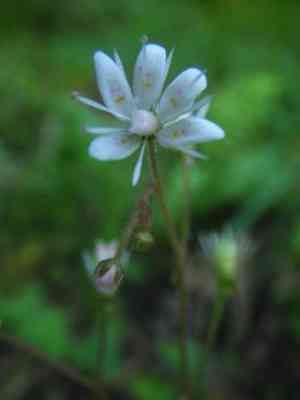
Kidney saxifrage (Saxifraga hirsuta)
Also known as: Hairy Saxifrage, Rough Saxifrage
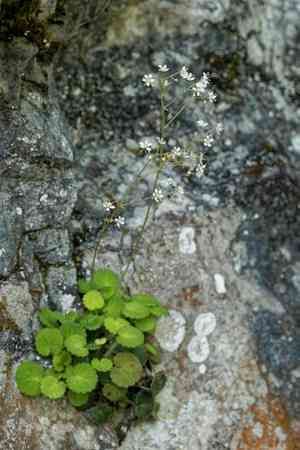
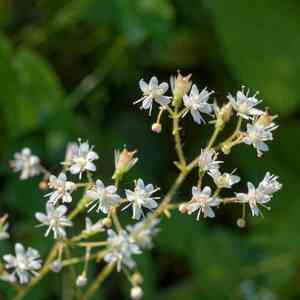
The plant you're referring to is likely Kidney Saxifrage (Saxifraga granulata), a hardy alpine perennial with a tufted growth form and soft, hairy leaves. Its roots firmly anchor to rocky surfaces, earning it the moniker "stone breaker." In late spring, it produces small, star-shaped flowers in white or pale pink, providing a striking contrast to its rugged mountainous habitat.
In This Article
Attributes of Kidney saxifrage
Lifespan
Perennial
Plant Type
Herb
Plant Height
30 cm
Spread
30 cm
Leaf Color
Green with reddish or purple tints
Flower Size
0.5-1 cm
Flower Color
White or pinkish
Images of Kidney saxifrage
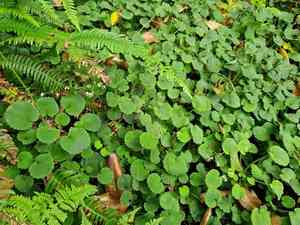
Quickly Identify Kidney saxifrage
1
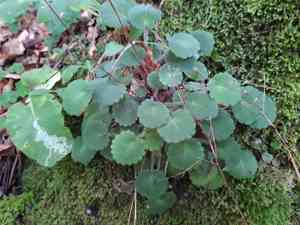
Look for a compact rosette of hairy leaves that are oval in shape, with star-shaped flowers typically appearing in clusters on slender stems.
Scientific Classification of Kidney saxifrage
Phylum
Vascular plants
Class
Dicotyledons
Order
Saxifragales
Family
Saxifrage
Genus
Saxifrages
Species
Kidney saxifrage
Planting and Growing of Kidney saxifrage
Care Difficulty
Easy
Watering Schedule
Every 6 days
Sunlight Requirements
Partial sun
Sunshine Duration
6-12 hours
Ideal Temperature
50-68℉
Soil Type
Potting Mix, Peat Mix
Soil pH
6.5-7.5
Fertilizer Type
Balanced
Pruning Season
Spring, Summer
Pruning Area
Branches, Leaves
Pruning Frequency
2 times a year
Repotting Season
Spring
Pot Type
Plastic, Ceramic
 How to Water Kidney saxifrage?
Saxifraga hirsuta appreciates moderate watering. It's important to ensure the soil is moist but not waterlogged. Use about 100 ml of water per session, focusing on keeping the root zone adequately hydrated without oversaturating it. This ensures a balance where the plant receives the necessary moisture to thrive without risks of root rot.
What are the symptoms of an underwatered Kidney saxifrage?
›
What should I do if my Kidney saxifrage is not getting enough water?
›
What are the symptoms of an overwatered Kidney saxifrage?
›
How to save an overwatered Kidney saxifrage?
›
 What Are the Sunlight Requirements for Kidney saxifrage?
Partial sun to full shade is ideal for Saxifraga hirsuta, promoting healthy foliage and preventing stress or burns from excessive exposure.
What is the best lighting condition for Saxifraga hirsuta?
›
How do I ensure Saxifraga hirsuta gets its ideal light?
›
What happens if Saxifraga hirsuta receives ideal lighting?
›
 What Is the Ideal Temperature Range for Kidney saxifrage?
Saxifraga hirsuta thrives best in a temperature range of 50°F to 68°F. This range ensures optimal growth and flowering, mimicking the cool and moist conditions of its native habitats. Maintaining this range helps the plant to photosynthesize efficiently and reduce stress, promoting healthy foliage and robust blooms.
 What Soil is Best for Kidney saxifrage?
Saxifraga hirsuta thrives in well-drained soil, preventing waterlogging which can lead to root rot. This requirement ensures the roots have access to oxygen, promoting healthier and more vigorous growth. Rich loamy soil full of essential nutrients supports the lush foliage and vibrant blooms of Saxifraga hirsuta. Adequate nutrients foster robust plant development and enhance its ornamental appeal. Maintaining consistent moisture without being overly wet helps Saxifraga hirsuta maintain its turgor and vitality. Balanced moisture supports steady growth and longevity of the plant.
 How to Fertilize Kidney saxifrage?
For Saxifraga hirsuta, the amount of fertilizer should be moderate. Use a balanced liquid fertilizer diluted to half strength to ensure that sensitive roots are not burned. Typically, around 5 ml of diluted fertilizer per liter of water suffices.
 How to Prune Kidney saxifrage?
Start by sterilizing your pruning shears to prevent disease spread. Identify any dead or yellowing leaves as these should be removed first. Trim back to a healthy part of the plant, cutting at a 45-degree angle. This helps to encourage new sprouts and keep the plant compact.
More About Pruning Techniques→
 How to Propagate Kidney saxifrage plant?
1
Before sowing, soak the seeds in lukewarm water for a few hours to break dormancy. This helps in softening the seed coat and promotes faster germination. Dry the seeds lightly before proceeding to sow them in the seed tray.
2
For division propagation, gently dig up the mature Saxifraga hirsuta plant. Shake off excess soil and use a sharp knife to divide the plant into smaller sections, ensuring each section has a healthy root system. Replant these divisions promptly.
3
Whether using seeds or divisions, maintaining adequate moisture is crucial. Water the propagation medium lightly and regularly. Avoid overwatering which can lead to rot. It's important to keep the soil consistently moist but not waterlogged.
 How to Repot Kidney saxifrage plant?
1
Saxifraga hirsuta usually shows signs that it's time for a new pot when the roots start circling the pot or protruding from drainage holes. If the plant looks stunted or the soil dries out too quickly, it might be time to repot. Ideally, tackle this task during the growing season, which helps the plant recover faster.
2
Select a pot that is 1-2 inches larger in diameter than the current one. This allows enough space for growth while preventing water from sitting in the soil and causing root rot. Ensure the pot has ample drainage holes, as good drainage is essential for Saxifraga hirsuta's health.
3
A well-draining soil mix, such as one intended for succulents or alpine plants, is ideal for Saxifraga hirsuta. This type of soil prevents waterlogging by allowing excess moisture to drain quickly, helping preserve the roots from rot and providing a stable environment for new growth.



