How to Transplant Yellow mountain saxifrage?
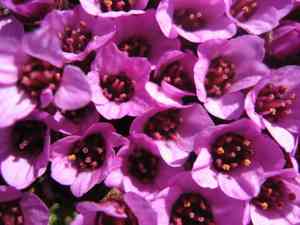
Opt for the invigorating period of early to mid-spring to relocate yellow mountain saxifrage, as the natural world revives. Select a cool location with partial shade and soil that is damp yet drains effectively. Careful manipulation aids their fragile root systems throughout this procedure.
What Preparations are Needed Before Transplanting Yellow Mountain Saxifrage?
What is the Ideal Time for Transplanting Yellow Mountain Saxifrage?
The optimal period for relocating yellow mountain saxifrage is when the frost subsides and nature revives, typically in early to mid-spring. This timeframe allows yellow mountain saxifrage to establish its root system in cool, damp soil, benefiting from spring's abundant moisture and milder temperatures before summer's heat. Moving yellow mountain saxifrage during this regenerative window promotes robust growth and vigor, enhancing your garden's lushness.
How Much Space Should You Leave Between Yellow Mountain Saxifrage Plants?
Prepare your garden for yellow mountain saxifrage by ensuring each plant has sufficient room to flourish. Aim for a spacing of 1-2 feet (30-60 cm) between each transplant. This provides ample space for development and air circulation.
What is the Best Soil Mix for Yellow Mountain Saxifrage Transplanting?
Prior to transplanting yellow mountain saxifrage, it's crucial to prepare the soil; it thrives in well-drained, sandy or loamy soil. Incorporate a foundational fertilizer to supply necessary nutrients. Organic compost or slow-release granules are highly effective.
Where Should You Relocate Your Yellow Mountain Saxifrage?
Select a site that receives partial to full sunlight for your yellow mountain saxifrage. These plants enjoy sun exposure but appreciate some afternoon shade in hotter climates. This balances light exposure and prevents heat stress.
What Equipments Should You Prepare Before Transplantation Yellow Mountain Saxifrage?
Gardening Gloves
To protect your hands from injury while handling soil and plants.
Shovel or Hand Trowel
To excavate the plant from its current spot without harming its roots.
Watering Can
To hydrate the plant during and after the relocation process.
Pruners
To remove any dead or damaged parts of the plant.
Garden Cart or Bucket
For transporting the plant from its original location to the new garden spot.
Compost
To enrich the soil fertility in the new planting area. This is particularly important for yellow mountain saxifrage that thrive in nutrient-rich, organic soil.
Mulch
To help maintain soil moisture and regulate soil temperature post-transplant.
How Do You Remove Yellow Mountain Saxifrage from the Soil?
How Do You Remove Yellow Mountain Saxifrage from the Soil?
From Ground: Begin by watering the yellow mountain saxifrage plant at its original location to soften the soil. Dig around the plant using a shovel or hand trowel, ensuring a wide perimeter to keep the root ball intact. Carefully lift the plant, making sure the root ball remains undisturbed.From Pot: Start by watering the yellow mountain saxifrage plant. Then, gently tip the pot sideways and ease the plant out. If it's resistant, tap the pot's edges to loosen the soil and roots.From Seedling Tray: Water the tray and allow it to soak for a few minutes. This will facilitate easier removal of the yellow mountain saxifrage seedling. Push the base of the cell to lift the seedling out, rather than pulling the stem, to prevent damage.
Step-by-Step Guide for Transplanting Yellow Mountain Saxifrage
Preparation
Always ensure to water the yellow mountain saxifrage plant several hours before the actual transplant to minimize stress during uprooting.
Digging the new site
The new hole should be approximately twice the width of the yellow mountain saxifrage plant's root ball and of equal depth.
Transplanting
Place the yellow mountain saxifrage plant into the new hole, ensuring the top of the root ball is level with the surrounding soil surface.
Backfilling
Refill the hole with excavated soil mixed with some compost. This enhances the soil's nutrient content. Ensure the yellow mountain saxifrage plant is stable by gently pressing soil around its base.
Watering
Water the plant immediately after transplanting. Provide sufficient water so that moisture reaches the root zone.
How Do You Care For Yellow Mountain Saxifrage After Transplanting?
Watering
The yellow mountain saxifrage plant requires adequate moisture during its adjustment period. Keep the soil consistently damp, but avoid overwatering. You can check soil moisture by inserting a finger an inch into the soil.
Pruning
Remove any yellow or dying foliage to prevent the plant from expending energy on them. This helps the yellow mountain saxifrage plant direct its energy towards root establishment and new growth.
Monitoring
Observe for signs of transplant shock such as wilting, yellowing, and leaf drop. If these occur, ensure you are not over or under-watering your yellow mountain saxifrage plant.
Protection
Depending on the season, shield the newly transplanted yellow mountain saxifrage from harsh conditions like severe frosts or intense summer heat. You can use protective covers, shade cloth, or mulch to safeguard the plant.
Troubleshooting Common Issues with Yellow Mountain Saxifrage Transplantation.
When is the best time to transplant yellow mountain saxifrage?
It's ideal to move yellow mountain saxifrage between early spring and early summer. The weather is mild, allowing the plant ample time to establish its roots before winter.
How do I prepare the site for transplanting yellow mountain saxifrage?
Select a location with well-draining soil. Loosen the soil in an area roughly two to three times the size of the plant's root ball. This area should be spaced about 12-24 inches (30-60 cm) from other plants.
Why are the leaves of my transplanted yellow mountain saxifrage wilting?
Wilting after relocation is often due to root shock. Remember to water yellow mountain saxifrage thoroughly after transplanting and continue this during the plant's initial adjustment period.
How deep should I plant yellow mountain saxifrage when transplanting?
Dig a hole the same depth as the plant's root ball and twice its width. The top of the root ball should be level with or slightly above the surrounding soil.
How should I water yellow mountain saxifrage after transplanting?
Water yellow mountain saxifrage thoroughly immediately after transplanting. Afterward, ensure consistent watering but do not let the plant sit in water. These are drought-tolerant plants once established.
Why is my transplanted yellow mountain saxifrage not blooming?
Changes in location can temporarily disrupt flowering. With proper care and patience, yellow mountain saxifrage should resume blooming. Ensure it receives sufficient sunlight and appropriate watering.
My transplanted yellow mountain saxifrage is turning yellow. What should I do?
Yellowing could indicate overwatering or poor drainage. Check soil moisture levels and drainage conditions. Drier soil conditions are preferred for these alpine plants.
Should I add fertilizer during the transplanting of yellow mountain saxifrage?
While yellow mountain saxifrage doesn't require extensive feeding, if your soil is poor, adding a slow-release fertilizer during transplant can provide a beneficial nutrient boost to support growth.
Can I transplant yellow mountain saxifrage in late summer or fall?
It is not advisable. The optimal time to transplant yellow mountain saxifrage is between early spring and early summer. Transplanting outside these periods may stress the plant and impact its survival.
How to minimize transplant shock in yellow mountain saxifrage?
To minimize transplant shock, avoid disturbing the root ball as much as possible when moving yellow mountain saxifrage. Also, maintain consistent watering and place the plant in a suitable location with adequate sunlight.



