How to Prune Yellow mountain saxifrage?
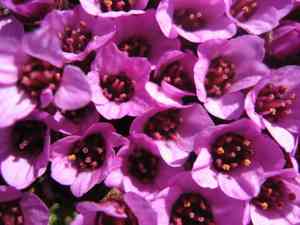
Perfect for alpine gardens, yellow mountain saxifrage needs only light trimming to get rid of withered or injured leaves. It's best to prune in early spring, summer, or autumn to encourage robust development and flowering. Exact cuts should be performed to take off faded blossoms and neaten the plant's appearance. Trimming not only keeps a pleasing form but also fosters a dense growth pattern suitable for its mountainous beginnings.
What Are the Benefits of Pruning Yellow Mountain Saxifrage?
What Are the Benefits of Pruning Yellow Mountain Saxifrage?
Trimming yellow mountain saxifrage encourages robust development and maintains its compact shape, ensuring this alpine plant flourishes and exhibits its characteristic density without becoming leggy or misshapen.
What Is the Best Time for Pruning Yellow Mountain Saxifrage?
What Is the Best Time for Pruning Yellow Mountain Saxifrage?
Trimming yellow mountain saxifrage in late spring to early summer coincides with its post-flowering period, allowing gardeners to cut without sacrificing the year's blooms. This timing also gives yellow mountain saxifrage ample chance to recover and direct energy towards new growth during the active season. Pruning in autumn is generally not recommended for yellow mountain saxifrage, as it might not allow enough time for the plant to toughen before frost, potentially jeopardizing winter hardiness.
What Tools Do I Need to Prune Yellow Mountain Saxifrage?
Precision Pruners or Snips
Given yellow mountain saxifrage's delicate structure, precision pruners or snips are ideal for making clean, accurate cuts without harming the small stems and foliage. These tools are suitable for deadheading or removing any unattractive or damaged growth without disturbing the surrounding plant material.
Small Gardening Scissors
Small gardening scissors can be utilized for detailed pruning tasks, owing to their ease of control and precise blades. Due to the compact nature of yellow mountain saxifrage, these scissors enable careful snipping that won't disrupt the plantâs dense growth habit.
How to Prune Yellow Mountain Saxifrage
Cleaning tools
Sanitize pruning tools with a solution of 1 part bleach to 9 parts water to prevent disease spread before beginning to prune yellow mountain saxifrage.
Removing diseased leaves
Carefully take off diseased leaves from yellow mountain saxifrage using clean, sharp scissors, cutting at the base without harming healthy tissue.
Eliminating withered leaves
Trim faded leaves to preserve the aesthetic appeal of yellow mountain saxifrage and promote healthy growth, ensuring to cut close to the base without damaging new buds or stems.
Pruning dead branches
Cut back any dead branches of yellow mountain saxifrage to their point of origin, using sharp, clean shears. This will help to encourage better air circulation and light penetration.
Cutting diseased branches
Identify and carefully remove diseased branches from yellow mountain saxifrage, making cuts at least a few inches into healthy wood to ensure complete removal of infected parts.
Common Pruning Mistakes with Yellow Mountain Saxifrage
Over-pruning
Removing too much foliage at once can stress yellow mountain saxifrage, potentially weakening its overall health and growth vigor.
Improper Technique
Using dull or dirty pruning tools can cause damage to the plant tissue, potentially leading to infection or suboptimal regrowth.
Pruning Too Short
Cutting yellow mountain saxifrage too short may remove the growing points necessary for future flowering and growth.
Ignoring Health Assessments
Failing to examine yellow mountain saxifrage for signs of disease or pest damage before pruning can lead to unhealthy regrowth or the spread of issues throughout the plant.
Common Pruning Tips for Yellow Mountain Saxifrage
Sharp Tools
Use sharp, clean shears or secateurs to ensure clean cuts that yellow mountain saxifrage can heal swiftly and with minimal stress.
Selective Removal
Focus on removing dead or weakened stems to encourage growth by carefully selecting and cutting back to a healthy bud or node.
Respect Plant Form
Maintain the natural shape of yellow mountain saxifrage when pruning, removing only what is necessary to avoid altering its intrinsic growth pattern.
Incremental Pruning
Prune gradually, especially when shaping yellow mountain saxifrage, to monitor the plant's response and avoid excessive foliage loss in a single session.



