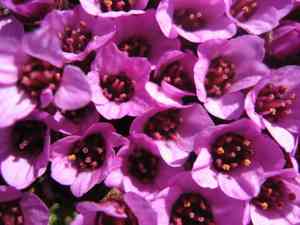
Yellow mountain saxifrage (Saxifraga aizoides)
Also known as: None
Yellow mountain saxifrage, having survived since the Ice Age, thrives in cold, wet conditions. This evergreen perennial is often grouped with butterwort and birds'-eye primrose. It's popular in rock gardens, screens, and raised beds for its attractive flowers and foliage.
In This Article
Attributes of Yellow mountain saxifrage
Lifespan
Perennial
Plant Type
Herb
Plant Height
10 cm
Spread
30 cm
Leaf Color
Green
Flower Size
1.02 cm
Flower Color
Yellow Orange Red
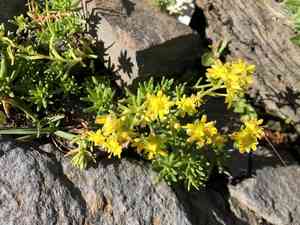
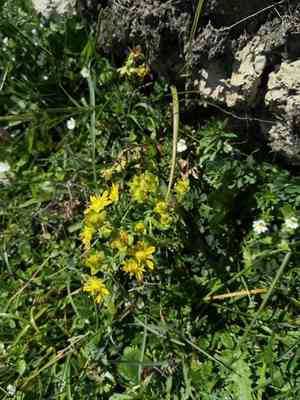
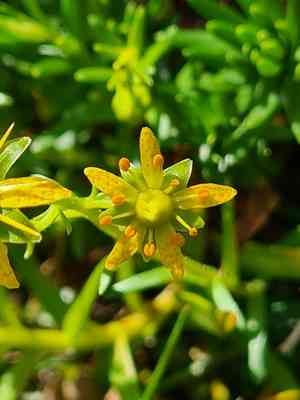
Images of Yellow mountain saxifrage
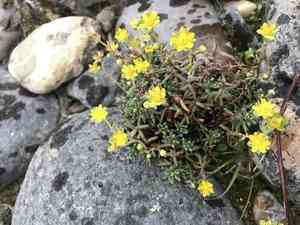
Quickly Identify Yellow mountain saxifrage
1
Look for small, bright yellow flowers that bloom in clusters. The leaves are narrow, green, and typically form a dense mat. It often grows in high-altitude and damp environments.
Scientific Classification of Yellow mountain saxifrage
Phylum
Vascular plants
Class
Dicotyledons
Order
Saxifragales
Family
Saxifrage
Genus
Saxifrages
Species
Yellow mountain saxifrage
Planting and Growing of Yellow mountain saxifrage
Care Difficulty
Easy
Watering Schedule
Every 2 days
Sunlight Requirements
Partial sun
Sunshine Duration
8-12 hours
Ideal Temperature
50-68℉
Soil Type
Potting Mix, Peat Mix
Soil pH
6.5-7.5
Fertilizer Type
Balanced
Pruning Season
Spring, Summer
Pruning Area
Branches, Leaves
Pruning Frequency
2 times a year
Repotting Season
Spring
Pot Type
Plastic, Ceramic
 How to Water Yellow mountain saxifrage?
Saxifraga aizoides requires careful watering. Ensure the soil is moist but not waterlogged, using approximately 100 ml of water per session to maintain ideal hydration without risking root rot.
What are the symptoms of an underwatered Yellow mountain saxifrage?
›
What should I do if my Yellow mountain saxifrage is not getting enough water?
›
What are the symptoms of an overwatered Yellow mountain saxifrage?
›
How to save an overwatered Yellow mountain saxifrage?
›
 What Are the Sunlight Requirements for Yellow mountain saxifrage?
Saxifraga aizoides prefers 4 to 6 hours of partial sun daily. This range ensures optimal growth, vibrant leaf color, and encourages blooming, reflecting its natural alpine habitat conditions.
More About Sunlight Requirements Techniques→
What is the best sunlight condition?
›
How to ensure optimal sunlight exposure?
›
What are the benefits of ideal lighting?
›
 What Is the Ideal Temperature Range for Yellow mountain saxifrage?
The ideal temperature range for Saxifraga aizoides is between 50°F and 68°F. This range provides a balanced environment that mimics the plant's natural habitat typically found in alpine and arctic regions. Maintaining these conditions ensures optimal growth and blooming, making these temperatures ideal for cultivation.
 What Soil is Best for Yellow mountain saxifrage?
Saxifraga aizoides thrives in well-drained soils. This requirement is crucial for preventing root rot, as waterlogged conditions can be detrimental to its growth. A well-drained soil ensures the roots receive the right balance of air and moisture, promoting healthy growth. A moderate level of soil nutrients is beneficial for Saxifraga aizoides. While it does not demand highly fertile soil, a balanced nutrient content supports its vibrant yellow flowers and lush foliage. This plant prefers slightly alkaline conditions, with a pH close to 7.5. Such soil conditions help Saxifraga aizoides absorb necessary nutrients effectively, enhancing its overall vigor.
 How to Fertilize Yellow mountain saxifrage?
For Saxifraga aizoides, use a balanced liquid fertilizer diluted to half strength, applying about 500ml per plant per session. Solid fertilizers should be applied sparingly, at about 30 grams per square meter. These measurements ensure that the plant receives enough nutrients without overwhelming its relatively delicate root system.
 How to Prune Yellow mountain saxifrage?
Saxifraga aizoides tends to bloom from mid to late spring. Avoid heavy pruning during this time to allow the plant to fully express its floral display. Pruning should be adjusted based on growing conditions. For instance, in particularly wet seasons, plants may need more frequent pruning due to rapid growth. Post-pruning, ensure that the plant is not exposed to extremely dry conditions. Adequate humidity can help the plant recover from pruning stress.
More About Pruning Techniques→
 How to Propagate Yellow mountain saxifrage plant?
1
Collect mature seeds from Saxifraga aizoides plants and clean them by removing any debris or plant material. Stratify them if necessary to mimic natural conditions.
2
Select healthy, non-flowering stems for cuttings. Cut at a 45-degree angle just below a node. Remove lower leaves to reduce water loss and place in water or soil to root.
3
Carefully lift an established plant and separate it into smaller clumps using your hands or a sterile knife. Replant the divisions at the same depth they were growing.
 How to Repot Yellow mountain saxifrage plant?
1
Saxifraga aizoides shows signs like stunted growth, visible root bound through drainage holes, or soil compacting that suggest it needs repotting. Repotting during Spring or Summer ensures optimal recovery due to active growth seasons.
2
Opt for a pot slightly larger than the current one, with adequate drainage holes. This prevents waterlogged conditions, which the plant dislikes, and supports healthy root expansion.
3
A well-draining gritty soil mix mimics the plant's natural alpine habitat, promoting healthy growth. The gritty texture facilitates good drainage, preventing root rot by avoiding excess moisture retention.



