How to Transplant Biennial saxifrage?
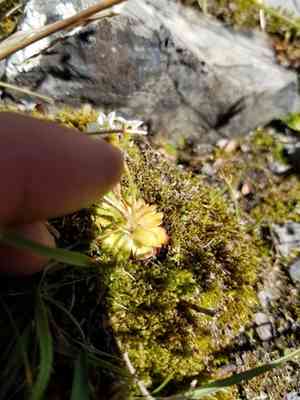
Biennial saxifrage flourishes most effectively when relocated between late spring and early summer or during mid-autumn, as these intervals reduce strain. Select a site offering partial shade for peak development. Verify that the substrate drains efficiently and possesses a slightly acidic pH to fulfill the plant's requirements.
What Preparations are Needed Before Transplanting Biennial Saxifrage?
What is the Ideal Time for Transplanting Biennial Saxifrage?
Biennial saxifrage should ideally be moved between late spring and early summer or mid-fall. These periods offer optimal ground temperatures and moisture levels, which aid root development and lessen transplant stress. Relocating during these seasons ensures the plant has ample time to adjust and establish before summer's intense heat or winter's freezing conditions.
How Much Space Should You Leave Between Biennial Saxifrage Plants?
Prior to relocating biennial saxifrage, ensure plants are spaced 6-12 inches (15-30 cm) apart. This provides sufficient room for the plant to develop and flourish without becoming overcrowded.
What is the Best Soil Mix for Biennial Saxifrage Transplanting?
When getting ready to transplant biennial saxifrage, select soil that drains well and is rich in organic material. Incorporate a balanced base fertilizer, such as a 10-10-10, to supply essential nutrients for your plant.
Where Should You Relocate Your Biennial Saxifrage?
Choose a spot that receives partial to full sun. Biennial saxifrage thrives best with approximately 4-6 hours of sunlight daily, which will help it grow robust and healthy.
What Equipments Should You Prepare Before Transplantation Biennial Saxifrage?
Gardening Gloves
To safeguard your hands while handling soil and plants.
Trowel or Small Shovel
For excavating and shifting earth around the plant.
Spade or Shovel
For digging larger holes and channels.
Watering Can or Hose
To maintain soil moisture during and after relocation.
Garden Fork
For aerating the soil, especially if it's compacted.
Compost or Mulch
To enrich the soil and help retain moisture post-transplant.
Stakes and Ties
To offer support to the plant if it's tall or top-heavy.
Buckets or Containers
To hold soil or transport the plant, particularly when moving it from one spot to another.
How Do You Remove Biennial Saxifrage from the Soil?
How Do You Remove Biennial Saxifrage from the Soil?
From Ground: First, moisten the biennial saxifrage plant to dampen the soil. Then, excavate a wide trench around the plant using a spade, ensuring the plant's root ball remains intact. Carefully work the spade beneath the root ball to lift the plant from its original spot.From Pot: Gently water the biennial saxifrage plant, then tilt the pot on its side and carefully slide the plant out, tapping the pot if needed. Avoid pulling on the plant itself as this can harm the roots.From Seedling Tray: Lightly water the biennial saxifrage seedlings, then use a small trowel or your fingers to gently lift each seedling from the tray, keeping as much of the root ball intact as possible. Handle the seedlings by their leaves to prevent stem damage.
Step-by-Step Guide for Transplanting Biennial Saxifrage
Site Preparation
Prepare the new planting location by loosening the soil with a garden fork and enriching it with compost if necessary. Ensure the hole is adequately sized to comfortably accommodate the plant's root ball.
Removing the Plant
Carefully extract the biennial saxifrage plant from its initial position, making sure to keep the root ball undamaged.
Transplanting
Place the biennial saxifrage plant into the prepared hole at its new site. Ensure the top of the root ball is level with the surrounding soil. Backfill the hole with soil, gently firming it around the root ball to eliminate air pockets.
Watering Immediately
Thoroughly water the biennial saxifrage plant right after transplanting to help settle the soil and lessen transplant shock.
Applying Mulch
Apply a layer of mulch around the base of the biennial saxifrage plant to help retain moisture and suppress weeds.
How Do You Care For Biennial Saxifrage After Transplanting?
Watering
Keep the soil around the biennial saxifrage consistently damp, but not waterlogged, for the initial few weeks post-transplant to aid in developing strong roots.
Monitoring
Regularly inspect the biennial saxifrage for any indications of transplant shock, such as wilting or yellowing leaves, and take prompt action to resolve these issues.
Mulching
Maintain a layer of mulch around the base of the biennial saxifrage plant to help conserve moisture and keep the roots cool. Replenish the mulch as required.
Fertilizing
Refrain from fertilizing immediately after transplanting. Wait until new growth appears, signaling the plant's establishment, before applying a balanced fertilizer according to product directions.
Troubleshooting Common Issues with Biennial Saxifrage Transplantation.
When is the best time to transplant biennial saxifrage?
Relocate biennial saxifrage during late spring to early summer or mid-fall for optimal outcomes.
How far apart should I space biennial saxifrage?
Space biennial saxifrage plants 6-12 inches (15-30 cm) apart to ensure robust growth.
How do I prepare the soil for biennial saxifrage?
Enrich the soil with compost and ensure it drains well to encourage root development for biennial saxifrage.
What kind of sunlight does biennial saxifrage need?
Biennial saxifrage prefers partial to full sunlight, requiring at least 4-6 hours of sun daily.
How should I water biennial saxifrage after transplanting?
Water biennial saxifrage thoroughly after transplanting, keeping the soil consistently moist but not saturated.
Do I need to fertilize biennial saxifrage after transplanting?
Use a balanced, slow-release fertilizer to support biennial saxifrage's growth post-transplant.
How deep should I plant biennial saxifrage?
Plant biennial saxifrage at the same depth it was growing in its original container or location.
How can I prevent transplant shock in biennial saxifrage?
Transplant biennial saxifrage in the evening or on overcast days to minimize transplant stress.
Can I transplant biennial saxifrage in the heat of summer?
Avoid relocating biennial saxifrage during peak summer heat to reduce stress and improve survival rates.
Should I trim biennial saxifrage before transplanting?
Trim any damaged or excess foliage of biennial saxifrage to direct energy towards root establishment after transplanting.



