The Biennial saxifrage Plant Advantage: Maximizing Home and Office Appeal and Wellness
1
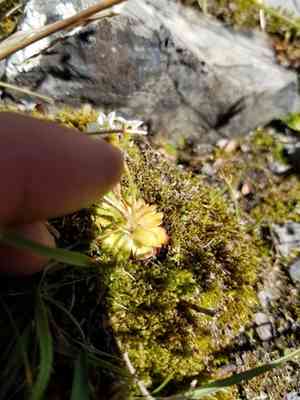
Biennial saxifrage is a hardy two-year herb that flourishes in stony, well-drained ground.
2
This flora draws in helpful insects, fostering a thriving garden environment.
3
Biennial saxifrage needs little upkeep, making it perfect for beginner gardeners.
What Makes Biennial saxifrage Special?
Adaptability to Various Climates
A key characteristic of Biennial saxifrage is its versatility. This two-year herb thrives in diverse climates, especially in rocky, well-drained ground. Its robust nature allows it to endure drought and other harsh conditions, making it a flexible addition to gardens globally.
Attracting Beneficial Insects
Beyond its resilience, Biennial saxifrage also plays a crucial role in fostering a healthy garden ecosystem. The plant draws in various helpful insects, including pollinators and predatory insects that aid in managing pest populations. This natural pest control lessens the need for chemical interventions, supporting more sustainable gardening practices.
How to Cultivate Biennial saxifrage in Your Garden
Planting Conditions and Soil Requirements
When planting Biennial saxifrage, select a site with well-drained soil and ample sunlight. Ensure the soil is slightly alkaline to neutral, as overly acidic conditions might impede its growth. If needed, amend your soil with lime to achieve the ideal pH level for optimal development.
Watering and Maintenance Tips
Though Biennial saxifrage is drought-tolerant, it benefits from consistent watering, particularly during its initial growth phases. Once established, it demands minimal upkeep, making it an excellent choice for busy gardeners. Mulching around the base can help retain moisture and suppress weeds, further reducing maintenance needs.
Ecological and Aesthetic Benefits of Biennial saxifrage
Enhancing Biodiversity
Biennial saxifrage supports local biodiversity by offering a habitat and food source for various insects and animals. Its blossoms are especially appealing to bees and butterflies, which are vital for pollination. By incorporating this plant into your garden, you contribute to the preservation of these essential species.
Aesthetic Appeal
In addition to its ecological advantages, Biennial saxifrage is visually pleasing. The plant showcases delicate, star-shaped flowers that bloom in spring and summer, adding a touch of natural beauty to any environment. Its foliage also remains attractive throughout its lifespan, providing year-round interest in your garden.
Practical Uses of Biennial saxifrage in Landscaping
Rock Gardens and Alpine Settings
Biennial saxifrage is an excellent option for rock gardens and alpine environments due to its hardiness and low water needs. It can be planted in crevices and rocky outcrops where other plants struggle to grow. This makes it a valuable component of xeriscaping projects aimed at reducing water usage.
Ground Cover and Erosion Control
Thanks to its spreading habit, Biennial saxifrage also functions well as a ground cover. It can stabilize soil on slopes and prevent erosion, offering both practical and visual benefits. Its dense foliage inhibits weed growth, further contributing to its low-maintenance profile.
Tips for Propagating Biennial saxifrage
Seed Collection and Sowing
Propagating Biennial saxifrage is quite straightforward. Gather seeds from mature plants in late summer or early autumn. Sow the seeds in a well-drained seed starting mix, gently pressing them into the soil surface. Keep the soil moist and place the container in a bright, cool spot to encourage germination.
Transplanting Seedlings
Once the seedlings have developed a few sets of true leaves, they can be moved to their permanent location. Choose a spot with well-drained soil and ample sunlight. Water the seedlings thoroughly after planting to help them establish, then reduce watering as they mature.
Challenges and Solutions in Growing Biennial saxifrage
Pest and Disease Management
While Biennial saxifrage is generally pest-free, it can occasionally suffer from aphids or mildew. Regularly inspecting your plants and ensuring good air circulation can minimize these issues. Natural remedies, such as neem oil or insecticidal soap, can effectively treat infestations without harming the environment.
Dealing with Overcrowding
As Biennial saxifrage spreads, it may become dense, leading to reduced air circulation and increased disease risk. Thinning out the plants or dividing them every few years can help maintain healthy growth. This also presents a great chance to expand your garden by transplanting the divisions to new areas.



