How to Transplant Alpine saw-wort?
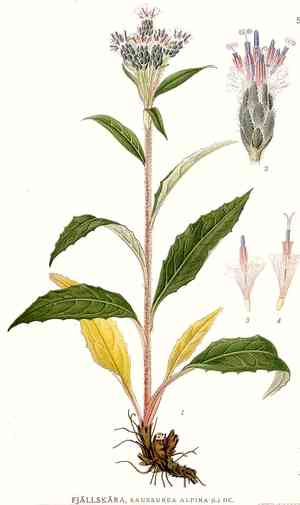
Relocate alpine saw-wort once the initial spring melt transitions into stable growing conditions, generally during the early stages of spring. Select a location featuring soil that drains effectively and offers protection from strong gusts. A helpful tip: careful manipulation guarantees a successful move.
What Preparations are Needed Before Transplanting Alpine Saw-wort?
What is the Ideal Time for Transplanting Alpine Saw-wort?
The best time to transplant alpine saw-wort is during its revitalization period, from early spring's thaw until summer's beginning. This timeframe aligns with the plant's natural growth cycle, allowing it to develop strong roots before summer's peak. Moving alpine saw-wort at this stage lets them benefit from increasing daylight and moderate temperatures, leading to a smoother transition and more vigorous, healthier growth in their new spot. A friendly reminder to gardeners: this timing ensures alpine saw-wort is ready to flourish after relocation!
How Much Space Should You Leave Between Alpine Saw-wort Plants?
When relocating alpine saw-wort, it's crucial to provide ample room for each to thrive. Aim for a spacing of 6-8 inches (15-20 cm) between plants, ensuring their roots have sufficient area without becoming overcrowded.
What is the Best Soil Mix for Alpine Saw-wort Transplanting?
For alpine saw-wort, prepare an optimal environment with soil that drains effectively. Incorporate a balanced, slow-release fertilizer to give them a strong start. Strive for soil rich in organic material, as this will keep alpine saw-wort flourishing.
Where Should You Relocate Your Alpine Saw-wort?
Alpine saw-wort thrives in a location with sun to partial shade, where it can receive bright light for at least half the day. Choose a spot that gets morning sun but is protected from the most intense afternoon rays.
What Equipments Should You Prepare Before Transplantation Alpine Saw-wort?
Gardening Gloves
To safeguard your hands while handling soil and plants.
Shovel or Spade
For excavating the plant and preparing its new site.
Garden Fork
To gently loosen soil around the plant's roots without causing harm.
Watering Can or Hose
To hydrate the plant before and after its relocation.
Wheelbarrow
For moving the alpine saw-wort to its new spot, if needed.
Pruning Shears
To trim any dead or damaged roots or foliage.
Mulch
To help retain soil moisture post-transplanting.
How Do You Remove Alpine Saw-wort from the Soil?
How Do You Remove Alpine Saw-wort from the Soil?
From Ground: First, moisten the soil around the alpine saw-wort plant to facilitate removal. Use a garden fork to carefully loosen the soil surrounding the root system. Next, dig a wide circle around the plant with a shovel or spade. Position the shovel beneath the root ball and gently lift it out, ensuring minimal disruption to the roots.From Pot: Begin by watering the alpine saw-wort to make the roots and soil more flexible. Invert the pot and gently tap its sides to loosen the root ball. Grasp the plant near its base and gently twist it while pulling upward. If the plant resists, use a knife to separate the soil from the pot's inner edge.From Seedling Tray: Water the seedling tray to ensure the soil and roots are damp. Use a spoon or a small gardening tool to carefully work around the individual seedling's soil, taking care to support the plant at its base as you gently lift it out, aiming to keep as much soil around the roots as possible.
Step-by-Step Guide for Transplanting Alpine Saw-wort
Prepare the Plant
If possible, schedule the transplant for a cool, overcast day to minimize stress on the alpine saw-wort. Water the alpine saw-wort thoroughly several hours before the move to ensure the plant is well-hydrated.
Prepare the New Site
Dig a hole for your alpine saw-wort that is twice as wide and as deep as its root ball. Loosen the soil at the bottom of the hole with a garden fork to encourage root development.
Root Pruning
Inspect the root ball and remove any dead or broken roots using pruning shears, being careful not to harm healthy roots.
Placing the Plant
Center the alpine saw-wort in the prepared hole at the same depth it was previously growing. Spread the roots outwards and gently backfill the hole with soil, tamping down to eliminate air pockets.
Watering In
After planting, water the alpine saw-wort generously to settle the soil and remove any remaining air pockets. Apply water directly to the root area.
Applying Mulch
Place a layer of mulch around the base of the alpine saw-wort to help retain soil moisture and regulate temperature. Keep the mulch a few inches away from the plant's stem to prevent rot.
How Do You Care For Alpine Saw-wort After Transplanting?
Immediate Watering
Water the alpine saw-wort immediately after transplanting and continue to water every other day for the initial week, depending on weather conditions and soil moisture levels.
Monitoring Plant Health
Observe the alpine saw-wort for indications of transplant shock, such as wilting, leaf drop, or discoloration. Providing shade can sometimes aid the plant's recovery.
Weeding
Regularly remove any weeds surrounding the alpine saw-wort to prevent competition for nutrients and water.
Staking Support
If the alpine saw-wort is tall or in a windy location, offer staking support to prevent the plant from bending or breaking.
Gradual Sun Exposure
Slowly introduce the alpine saw-wort to more direct sunlight over several days if it was previously in a shadier environment to prevent sun scorch.
Fertilizing
Avoid fertilizing immediately after transplanting to prevent root burn. The alpine saw-wort should be fertilized once it shows new growth and appears to have recovered from the transplant.
Troubleshooting Common Issues with Alpine Saw-wort Transplantation.
Why is my alpine saw-wort wilting after transplant?
Wilting can result from shock. Ensure adequate watering, and keep it out of full sun until established.
When's the best time to transplant alpine saw-wort?
The ideal transplanting period is from early to late spring, when the weather is mild.
How do I prepare alpine saw-wort for transplanting?
Water your alpine saw-wort thoroughly the day before moving to minimize transplant shock and simplify soil removal.
How far apart should I space alpine saw-wort when transplanting?
Allow alpine saw-wort ample space to grow by planting them 6-8 inches (15-20 cm) apart.
My alpine saw-wort looks droopy post-transplant. What should I do?
Droopiness can indicate stress; keep the soil moist and provide shade for the first few days after transplant.
How deep should I plant my alpine saw-wort?
Dig a hole as deep as the root ball and twice as wide to promote root development.
Can alpine saw-wort be transplanted in the fall?
It's not optimal. Alpine saw-wort establish best when transplanted in the milder conditions of spring.
What soil conditions does alpine saw-wort prefer for transplanting?
Transplant alpine saw-wort into well-drained soil enriched with organic matter for optimal growth.
How much should I water alpine saw-wort after transplanting?
Water deeply right after transplanting, then regularly to maintain consistently moist soil without waterlogging.
Should I fertilize alpine saw-wort when I transplant them?
Refrain from fertilizing until alpine saw-wort are established to prevent burning sensitive roots.



