How to Prune Alpine saw-wort?
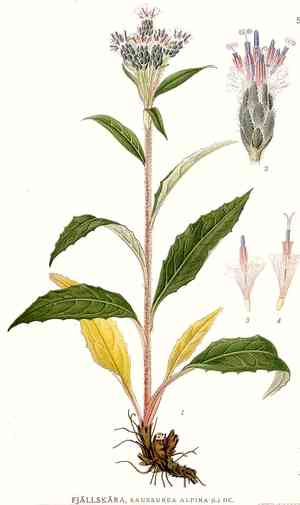
A robust perennial, alpine saw-wort thrives in high-altitude environments characterized by unique vegetation. Trimming is generally not required but can be undertaken for shaping or eliminating deceased leaves. The appropriate time for pruning alpine saw-wort spans the entire year, consistent with its durable characteristics. Infrequent cutting encourages robust development and averts excessive density. Maintenance involves disinfecting implements to preclude the dissemination of pathogens. Trim judiciously to preserve alpine saw-wort's inherent structure, guaranteeing its continued prosperity in its elevated ecosystem.
Advantages of Trimming Alpine Saw-wort
Advantages of Trimming Alpine Saw-wort
Trimming alpine saw-wort promotes abundant blooms, stimulates vigorous development, and maintains its compact shape. It's crucial for its health and visual appeal.
Optimal Time for Trimming Alpine Saw-wort
Optimal Time for Trimming Alpine Saw-wort
Trimming alpine saw-wort from late winter to early spring is considered ideal, aligning with the plant's dormant phase and just before new growth emerges. Pruning during dormancy minimizes stress on alpine saw-wort and lowers the risk of disease transmission. This timing also allows for effective shaping before the growing season, directing energy towards new, healthy shoots. Additionally, it helps remove any winter-damaged or diseased foliage, enhancing the plant's overall health. It's important to avoid pruning alpine saw-wort in the fall, as fresh cuts can be damaged by frost and may not heal before winter, potentially leading to plant health issues.
Tools Required for Trimming Alpine Saw-wort
Bypass Pruners
Perfect for making clean cuts on green wood and precise snips on alpine saw-wort's stems without crushing plant tissues, ensuring healthy regrowth.
Gardening Scissors
Useful for deadheading and shaping alpine saw-wort by cutting back spent flowers and small, delicate stems with precision.
Pruning Shears
Ideal for trimming back alpine saw-wort as they provide the necessary power and accuracy for cutting through stems that are up to ¾ inches in thickness.
How to Trim Alpine Saw-wort
Cleaning tools
Before trimming alpine saw-wort, clean and sterilize all pruning tools using a solution of 1 part bleach to 9 parts water to prevent the spread of disease.
Cutting diseased and dead material
Remove any diseased leaves, dead branches, or diseased branches of alpine saw-wort by making clean cuts at the base of the affected area, avoiding tearing or damaging healthy tissue.
Pruning withered parts
Trim off withered leaves and withered flowers of alpine saw-wort to promote healthy growth and better air circulation, cutting back to where they join a stem or branch, or to the nearest healthy bud.
Shaping plant
Shape alpine saw-wort by selectively pruning to maintain a natural appearance, focusing on removing only the necessary parts without over-pruning, as alpine saw-wort does not require extensive pruning.
Disposal
Properly dispose of all removed material from alpine saw-wort, especially diseased parts, to prevent reinfection or the spread of pathogens in the garden.
Common Trimming Errors with Alpine Saw-wort
Overpruning
Removing too much foliage from alpine saw-wort can stress the plant and limit its ability to photosynthesize, potentially leading to reduced vigor and fewer blooms.
Improper cut location
Making cuts too far from a bud or node, or too close to it, can hinder proper healing and new growth. It may also encourage the growth of pests and diseases.
Using dull tools
Pruning with dull or unclean tools can cause jagged cuts that are more susceptible to infection and can damage alpine saw-wort's delicate structure.
Neglecting to prune
Although alpine saw-wort does not require frequent pruning, completely neglecting to prune can result in a plant with a less desirable shape and reduced flowering.
Pruning without a plan
Randomly cutting branches without a clear plan can lead to a poorly structured plant and may compromise the health and aesthetics of alpine saw-wort.
General Trimming Advice for Alpine Saw-wort
Clean tools
Ensure that pruning tools are clean and sharp to make precise cuts that heal quickly, reducing the chances of infection for alpine saw-wort.
Follow natural shape
When pruning alpine saw-wort, follow its natural growth habit to maintain its aesthetic appeal and encourage healthy growth patterns.
Prune dead or diseased material
Regularly remove any dead or diseased foliage from alpine saw-wort to encourage healthy growth and reduce the chance of disease spread.
Make diagonal cuts
When cutting back stems, make cuts at a 45-degree angle about 1/4 inch above a bud or node to promote efficient water runoff and minimize the risk of disease.
Thinning vs topping
Prune alpine saw-wort by thinning out crowded stems rather than topping (cutting off the top of the plant), as this can encourage more natural growth and reduce shock to the plant.



