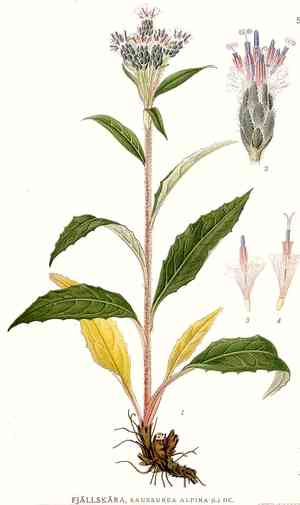
Alpine saw-wort (Saussurea alpina)
Also known as: Alpine Saussurea
The "alpine saw-wort," also referred to as "dwarf saw-wort" due to its small stature, belongs to a genus named in honor of Swiss botanist Théodore de Saussurea. He was pivotal in understanding the role of carbon dioxide in plant survival. Unlike thistles, the alpine saw-wort is notable for its lack of spines.
In This Article
Attributes of Alpine saw-wort
Lifespan
Perennial
Plant Type
Herb
Plant Height
10 cm to 60 cm
Spread
N/A
Leaf Color
Green
Flower Size
1.5 cm to 2 cm
Flower Color
White Purple Pink
Images of Alpine saw-wort
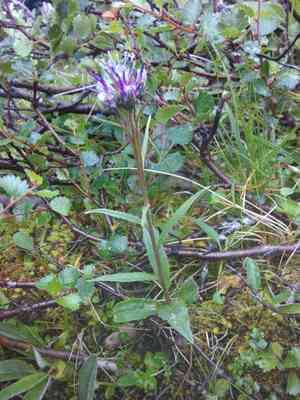
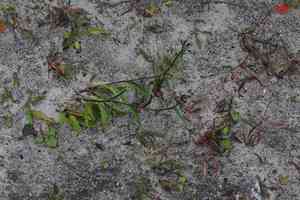
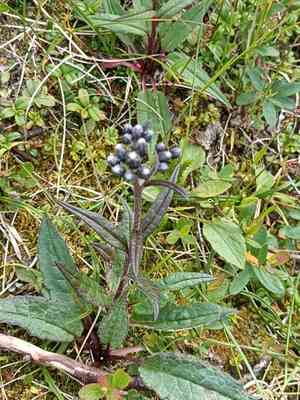
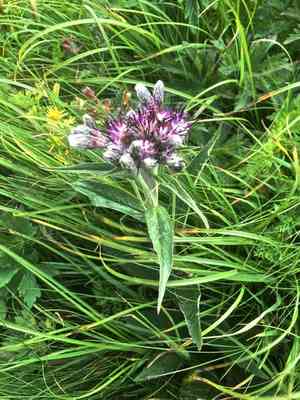
Quickly Identify Alpine saw-wort
1
The plant can be identified by its woolly, whitish stems with narrow, lance-shaped leaves. It produces purple to blue cluster flowers.
Scientific Classification of Alpine saw-wort
Phylum
Vascular plants
Class
Dicotyledons
Order
Asterales
Family
Daisy
Genus
Saw-worts
Species
Alpine saw-wort
Planting and Growing of Alpine saw-wort
Care Difficulty
Easy
Watering Schedule
Every 2 days
Sunlight Requirements
Partial sun
Sunshine Duration
4-8 hours
Ideal Temperature
50-65℉
Soil Type
Potting Mix, Peat Mix
Soil pH
6.5-7.5
Fertilizer Type
Balanced
Pruning Season
Spring, Summer
Pruning Area
Branches, Leaves
Pruning Frequency
2 times a year
Repotting Season
Spring
Pot Type
Plastic, Terracotta
 How to Water Alpine saw-wort?
The Saussurea alpina prefers its soil to be kept consistently moist but not waterlogged. It requires approximately 250 milliliters of water per session, ensuring the water reaches the roots without leaving standing water. The ideal watering principle is to water until the soil feels moist to the touch but not soggy―a balance that provides hydration while preventing root rot.
What are the symptoms of an underwatered Alpine saw-wort?
›
What should I do if my Alpine saw-wort is not getting enough water?
›
What are the symptoms of an overwatered Alpine saw-wort?
›
How to save an overwatered Alpine saw-wort?
›
 What Are the Sunlight Requirements for Alpine saw-wort?
Saussurea alpina prefers partial sun with about 3 to 6 hours of sunlight. This range supports balanced photosynthesis, ensuring the plant maintains healthy growth patterns without suffering from light-induced stress.
What is the ideal lighting condition for Saussurea alpina?
›
How can I achieve this ideal lighting condition?
›
What benefits does Saussurea alpina get from ideal lighting?
›
 What Is the Ideal Temperature Range for Alpine saw-wort?
Saussurea alpina thrives in temperatures ranging from 50°F to 65°F. This temperature range simulates the high-altitude environments to which this plant is naturally adapted. Consistency within this range promotes optimal growth and development, minimizing the risk of stress caused by temperature fluctuations.
 What Soil is Best for Alpine saw-wort?
Saussurea alpina thrives in well-drained soil which prevents waterlogging and root rot. This ensures the roots remain healthy and oxygenated, promoting robust growth. A nutrient-rich loam is ideal for Saussurea alpina as it supports robust flowering and vegetative growth by providing essential minerals and nutrients. Maintaining adequate moisture levels in the soil is crucial for Saussurea alpina to ensure sustained growth and resilience against drought conditions.
 How to Fertilize Alpine saw-wort?
For Saussurea alpina, the recommended fertilizer amount should be moderate. Using a balanced 20-20-20 or 10-10-10 liquid fertilizer, mix a solution at half strength. Apply approximately 100 to 150 ml per plant, ensuring that the fertilizer is diluted to avoid nutrient burn.
 How to Prune Alpine saw-wort?
To properly prune Saussurea alpina, first identify any dead or diseased stems that need to be removed. Use sharp, clean tools to make cuts at a 45-degree angle above a leaf node or bud to encourage new growth. Prune sparingly to avoid stress, focusing on removing no more than one-third of the plant at a time to maintain vigor and promote blooming.
More About Pruning Techniques→
 How to Propagate Alpine saw-wort plant?
1
Begin by filling seed trays with a well-draining germination mix. Scatter Saussurea alpina seeds evenly across the surface, and cover them lightly with the mix. Maintain soil moisture by misting frequently and provide indirect sunlight for the seeds to germinate.
2
Select a mature Saussurea alpina plant and gently dig around the base using a garden spade to expose the root clumps. Carefully separate the root clumps ensuring each has a portion of roots and foliage. Replant the divisions at the same depth in freshly prepared soil.
3
Once the seedlings have developed a few true leaves, they are ready for transplanting. Gently remove each seedling from the tray and plant it in a larger container or directly in a garden bed, ensuring the root system is adequately covered with soil.
 How to Repot Alpine saw-wort plant?
1
Repotting Saussurea alpina is best timed when you observe roots spilling out from the drainage holes of its current pot or if the growth has slowed considerably. These are clear signals indicating that the plant requires more space for its roots, and hence, should be moved to a larger home. Also, if the soil has become compacted or depleted of nutrients over time, it is certainly time for a change.
2
Selecting the perfect pot for Saussurea alpina is crucial. Opt for a pot that is one size larger than its current one, ideally with sufficient drainage holes to prevent waterlogging. A ceramic or terracotta pot is a good choice due to its breathability, which helps evaporate excess moisture, mimicking its natural alpine environment and aiding in preventing root rot.
3
The right soil mix is vital for Saussurea alpina's well-being. Choose a well-draining loamy soil enriched with organic matter. This composition ensures adequate drainage while holding onto essential moisture and nutrients, providing the plant with the right balance it needs to thrive without being waterlogged.
Learn More About Alpine saw-wort Diseases
Anthracnose
Bacterial Leaf Spot
Bacterial Soft Rot
Bacterial Wilt
Crown Gall
Cyst Nematode
Damping-off
Downy Mildew
Drought Stress
Fusarium Wilt
Gray Mold
Leaf Spot
Mosaic
Nutrient Deficiency
Nutrient Toxicity
Powdery Mildew
Root Rot
Root-knot Nematode
Rusts
Sooty Mold
Spider Mites
Temperature Stress
Thrips Damage
White Mold



