How to Transplant Broad-leaved bamboo?
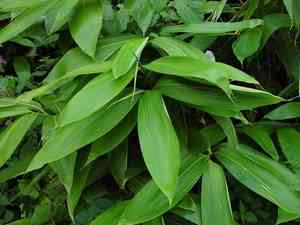
The revitalizing period of early spring offers a perfect opportunity for transplanting broad-leaved bamboo, promoting vigorous development. Choose areas with filtered light and protected spots to emulate broad-leaved bamboo's native environment, approaching the transplanting process with delicate care.
Preparations Required Before Relocating Broad-leaved Bamboo
Optimal Period for Relocating Broad-leaved Bamboo?
The best time to move broad-leaved bamboo is during the gentle onset of spring. This favorable window allows the plant to settle in prior to the summer's intensity. Relocating broad-leaved bamboo as the earth awakens from winter not only encourages a strong root system but also takes advantage of increasing daylight and warming soil, setting the stage for vigorous growth. By selecting this season, you'll ensure broad-leaved bamboo has ample time to establish and flourish, maximizing its potential for the upcoming growing period.
Recommended Spacing Between Broad-leaved Bamboo Plants?
When planting broad-leaved bamboo, provide them with adequate room to thrive! Position each plant approximately 3-5 feet (0.91-1.52 meters) apart. This spacing enables each bamboo plant to develop a robust, healthy root system and reach its full potential.
Ideal Soil Mixture for Broad-leaved Bamboo Relocation?
For broad-leaved bamboo, select soil that drains effectively. A loamy soil type is generally most suitable. Incorporate a high-quality, organic-based, slow-release fertilizer into the ground before planting. This provides a nutrient-rich foundation for these impressive perennials.
Optimal Location for Your Broad-leaved Bamboo?
Broad-leaved bamboo enjoys sunlight, but it benefits from some protection from intense afternoon heat. Aim to place them where they can receive morning sun, yet are somewhat shielded during the hottest part of the day. Happy planting!
Equipment to Prepare Before Transplanting Broad-leaved Bamboo?
Gardening Gloves
These will safeguard your hands while working with the soil and the plant.
Spade or Shovel
Necessary for excavating the planting hole for your broad-leaved bamboo and for its removal if it's already in the ground.
Pruning Shears
It's crucial for the health of your broad-leaved bamboo to trim any damaged or excessively long roots during the transplanting process.
Watering Can
You'll need to thoroughly hydrate your broad-leaved bamboo after it has been transplanted.
Wheelbarrow or Container
Perfect for moving the broad-leaved bamboo from its original spot to the new location or for temporarily holding the plant.
Mulch
This will assist in retaining soil moisture once the transplant is complete.
How to Extract Broad-leaved Bamboo from the Ground?
How to Extract Broad-leaved Bamboo from the Ground?
From Ground: First, water the broad-leaved bamboo to moisten the surrounding soil. This will simplify the extraction process and reduce stress on the plant's root ball. Next, dig a wide trench around your broad-leaved bamboo using either your shovel or spade. Be careful not to cut into the plant's root ball while digging. Once the trench is complete, work your spade beneath the root ball, and gently lift the plant from the ground.From Pot: If your broad-leaved bamboo is currently in a pot, begin by watering it as moist soil is easier to manage. Turn the pot on its side, carefully hold the plant by its base, and pull out the root ball. If the plant resists, you can tap the bottom of the pot to loosen it.From Seedling Tray: When the broad-leaved bamboo is in a seedling tray, exercise extreme caution as young roots are very delicate. Start by watering the seedlings. Then gently pull out the seedling, holding it by the leaves rather than the stem. If it's stubborn, use a spoon or small tool to assist with the lift, supporting the root ball.
Step-by-Step Guide for Relocating Broad-leaved Bamboo
Preparation
Ensure your broad-leaved bamboo is well-hydrated before starting the relocation. This will minimize stress for the plant. Prepare the new planting site; it should be twice as wide as the root ball and as deep as the plant's current root length.
Transplanting
Position the broad-leaved bamboo in the hole, making sure the plant is level with the ground and not planted too deeply.
Adjustment
Carefully backfill the soil around the root ball, gently patting the soil to eliminate any air pockets without compacting it.
Watering
After transplanting, thoroughly water your broad-leaved bamboo to settle the soil around its roots.
Mulching
Once you have finished watering, apply a layer of mulch around the base of the plant. This will help maintain soil moisture.
Post-Transplant Care for Broad-leaved Bamboo
Water Requirements
Following transplantation, your broad-leaved bamboo will require consistent moisture. The soil should remain damp, but not waterlogged, to prevent root rot.
Pruning
Remove any dead or unhealthy foliage. This will not only improve the plant's appearance but also allow it to direct energy towards new growth.
Temperature Considerations
Be mindful of seasonal shifts. If winter temperatures drop significantly, consider using a frost blanket to protect your broad-leaved bamboo.
Disease and Pest Inspection
Regularly inspect your broad-leaved bamboo for signs of disease or pests. Early detection can ensure the plant's health and longevity.
Addressing Common Issues with Broad-leaved Bamboo Transplantation.
When is the best time to transplant broad-leaved bamboo?
The optimal period to move your broad-leaved bamboo is between seasons S1-S3. During this timeframe, the plant experiences reduced stress, increasing its chances of success.
How much space should I leave between each broad-leaved bamboo during transplanting?
To provide ample room for healthy development, maintain a distance of 3-5 feet (approximately 0.9 - 1.5 meters) between each broad-leaved bamboo plant.
Why are the leaves of my transplanted broad-leaved bamboo turning brown?
Browning leaves may indicate insufficient watering. Ensure broad-leaved bamboo receives plenty of water, especially during the initial weeks after transplanting.
Why isn't my newly transplanted broad-leaved bamboo growing?
The plant might be experiencing transplant shock. Ensure it's adequately watered and shielded from harsh weather, allowing it time to adapt.
How deeply should I plant my transplanted broad-leaved bamboo?
Ensure the rootball of the broad-leaved bamboo is covered but not deeper than its previous position. Planting too deep can negatively impact the plant's health.
Do I need to trim broad-leaved bamboo before transplanting?
Yes, it's good practice to prune back about one-third of the plant. This lessens shock and helps broad-leaved bamboo focus on establishing new roots.
What can I do if my broad-leaved bamboo is wilting after transplanting?
It's normal for plants to show minor wilting after relocation. Keep the soil moist, not saturated, and protect from strong sunlight. They will likely recover soon.
What kind of soil does broad-leaved bamboo prefer for transplanting?
Broad-leaved bamboo thrives in well-draining soil, rich in organic matter. Ensuring good soil conditions is crucial for successful transplanting.
Do I need to fertilize broad-leaved bamboo after transplanting?
Applying a mild slow-release fertilizer after planting can help broad-leaved bamboo establish. However, avoid over-fertilizing, as high amounts can harm the plant.
How to handle broad-leaved bamboo roots during transplanting?
Handle the roots gently to prevent damage. If the roots are circling or tangled, carefully separate them before planting broad-leaved bamboo.



