How to Prune Broad-leaved bamboo?
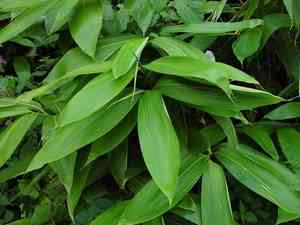
Broadleaf bamboo is distinguished by its wide foliage and clustered growth pattern. Trim broadleaf bamboo in late winter or early spring to manage its dimensions and encourage robust development. Eliminate any deceased, injured, or frail culms near the soil level, and thin out congested stalks to boost air movement. Refrain from extensive pruning, as broadleaf bamboo may take a while to recuperate. Trimming improves its aesthetic value and prevents excessive expansion. Consult reputable gardening resources for optimal techniques.
What Are the Benefits of Pruning Broad-leaved Bamboo?
What Are the Benefits of Pruning Broad-leaved Bamboo?
Broad-leaved bamboo benefits from trimming by growing robustly and keeping its form, which ensures vitality, boosts resistance to pests and illnesses, and enhances its overall look. Pruning also helps manage the plant's size, preventing excessive growth and promoting better air movement.
What Is the Best Time for Pruning Broad-leaved Bamboo?
What Is the Best Time for Pruning Broad-leaved Bamboo?
Early spring and winter are considered prime times for trimming broad-leaved bamboo due to its growth pattern and general well-being. Pruning in early spring allows for the removal of any damaged or dead stalks before new growth begins, encouraging healthier and more vigorous development during the active season. Winter is also an ideal period because the plant is dormant, minimizing stress and lowering infection risk. Pruning during these times aligns with broad-leaved bamboo's natural growth cycle, ensuring improved air circulation and sunlight exposure, which are crucial for the plant's development.
What Tools Do I Need to Prune Broad-leaved Bamboo?
Pruning Shears
Perfect for cutting smaller stems and new growths. They offer precise control and clean cuts, reducing plant damage.
Loppers
Useful for thicker stems and branches too large for pruning shears. They provide greater leverage and reach.
Pruning Saw
Essential for cutting through larger canes that pruning shears and loppers cannot manage.
Hand Gloves
Crucial for protecting your hands from sharp edges and thorns during the trimming process.
Bypass Pruners
These are preferred for their ability to make clean cuts, vital for preventing disease and ensuring healthy regrowth in broad-leaved bamboo.
How to Prune Broad-leaved Bamboo
Assessment
Examine broad-leaved bamboo to identify any diseased or withered leaves that need to be removed.
Clean tools
Ensure all trimming tools are sanitized and sharp to prevent the spread of disease during pruning.
Remove diseased leaves
Carefully cut away any leaves showing signs of illness, making sure to remove the entire affected leaf to prevent further spread.
Remove withered leaves
Trim away any dried or dead leaves, cutting as close to the leaf's base as possible to encourage new growth.
Disposal
Properly dispose of all pruned leaves by either burning or securely bagging and removing them from the garden to avoid any potential disease transmission.
Common Pruning Mistakes with Broad-leaved Bamboo
Incorrect technique
Using improper tools or making jagged cuts can harm broad-leaved bamboo's stems, inviting diseases and pests.
Over-pruning
Removing too many shoots can stress broad-leaved bamboo, leading to stunted growth and potentially harming the plant's overall health.
Ignoring weak or dead shoots
Failing to remove weak or dead shoots can result in poor air circulation and increased vulnerability to fungal infections.
Cutting at the wrong angle
Cutting stems straight across rather than at a slight angle of about 45 degrees can lead to water accumulation and rot.
Common Pruning Tips for Broad-leaved Bamboo
Use sharp, clean tools
Always utilize sharp, sterilized pruning shears to make clean cuts, minimizing damage and preventing disease spread.
Remove dead or weak shoots
Regularly cut away any dead, weak, or damaged shoots to maintain good airflow and reduce risk of disease.
Thin densely grown areas
Thinning out congested sections helps improve light penetration and air circulation, fostering healthier growth.
Cut at a slight angle
Make cuts at a slight angle to discourage water from sitting on cut surfaces, thereby reducing the risk of rot.



