How to Transplant Bolivian rubber?
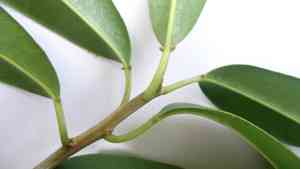
Relocate bolivian rubber as spring begins to warm, which is perfect for root development. Select a bright area with soil that drains effectively. Carefully managing the roots aids in a seamless move to different surroundings.
Essential Preparations Before Relocating Bolivian Rubber?
When is the Best Period for Moving Bolivian Rubber?
The prime window for rehousing bolivian rubber spans from the onset of early spring to the threshold of summer's warmth. This duration, characterized by mild sun and nourishing rainfall, offers bolivian rubber an environment conducive to root development and adaptation. Transplanting during this phase aligns with its natural growth cycle, ensuring a smooth transition with minimal stress, promoting vigorous growth and a lush future.
What Distance Should Be Maintained Between Bolivian Rubber Plants?
Prior to relocating your bolivian rubber, it's wise to provide each ample room to flourish. Aim for a spacing of approximately 15-20 ft (4.5-6 m) apart. This will guarantee they have sufficient area to grow without competing for nutrients or sunlight.
What is the Optimal Soil Blend for Bolivian Rubber Relocation?
For your bolivian rubber, the soil should drain well and be rich in organic matter. Before transplanting, incorporate a balanced, slow-release fertilizer to give your plants a robust start. A pH range from slightly acidic to neutral is ideal.
Where Should You Replant Your Bolivian Rubber?
Select a sunny spot for your bolivian rubber, where it can receive at least 6-8 hours of daily sunlight. Sufficient sunlight is vital for the health and development of your plants, so choose a location with minimal shade throughout the day.
What Tools Are Necessary Before Relocating Bolivian Rubber?
Gardening Gloves
To safeguard your hands while handling soil and the plant.
Spade
For excavating the plant and preparing the new planting site.
Pruning Shears
To trim any damaged roots or foliage prior to relocation.
Watering Can or Hose
To hydrate the bolivian rubber before and after its move.
Wheelbarrow
To transport the bolivian rubber and soil if needed.
Mulch
To insulate the root area of bolivian rubber post-planting.
Garden Fork
To aerate compacted soil at the new spot.
Measuring Tape
To ensure correct spacing between plants.
How Do You Extract Bolivian Rubber from Its Current Location?
How Do You Extract Bolivian Rubber from Its Current Location?
From Ground: First, moisten the bolivian rubber plant to soften the soil. Then, dig a wide trench around the plant using a spade, ensuring the plant's root ball remains intact. Carefully work the spade beneath the root ball to lift the plant from its original spot.From Pot: Begin by watering the bolivian rubber to facilitate its removal. Tilt the pot sideways and gently tap its sides to loosen the root ball. Carefully slide the plant out, keeping as much of the root soil undisturbed as possible.From Seedling Tray: Water the seedlings thoroughly before the transfer. Use a spoon or a dibber to carefully lift each bolivian rubber seedling from its compartment, taking care not to disturb the delicate roots.
Step-by-Step Guide for Relocating Bolivian Rubber
Preparation
Water the bolivian rubber before relocation to hydrate it, making it simpler to remove from its current spot.
Digging New Hole
Excavate a hole in the new location that is twice as wide as the root ball and equally deep, using a spade.
Root Inspection
Before relocating bolivian rubber, examine the root ball for any damaged or dead roots and trim them with clean pruning shears.
Planting
Position the bolivian rubber in the new hole at the same depth it was originally growing, ensuring the plant is upright and centered.
Backfilling
Gently refill the hole, alternating layers of soil and water to eliminate air pockets and provide moisture.
Mulching
Apply a layer of mulch around the base of bolivian rubber, avoiding direct contact with the stem, to retain soil moisture and inhibit weed growth.
Watering
Water thoroughly after mulching to settle the soil and hydrate the bolivian rubber.
Stabilizing
Check the stability of bolivian rubber and ensure it doesn't sway. If necessary, temporarily stake the plant until roots are established.
How Do You Care For Bolivian Rubber After Relocation?
Consistent Monitoring
Regularly check the soil moisture near bolivian rubber and water when the top inch of soil feels dry to the touch.
Mulch Replenishment
Replenish the mulch as needed, maintaining a consistent layer to help bolivian rubber conserve water and suppress weeds.
Staking Support
If bolivian rubber has been staked, ensure it doesn't rub against the stakes or ties, adjusting as needed for growth.
Addressing Common Issues with Bolivian Rubber Relocation.
What's the optimal time to relocate bolivian rubber?
The best time for bolivian rubber relocation is from mid to late spring, when frost is less probable.
How far apart should I space bolivian rubber when relocating?
Space bolivian rubber approximately 15-20 feet (4.5-6 meters) apart to ensure ample room for growth.
Should I water bolivian rubber immediately after relocating?
Yes, water bolivian rubber generously right after relocation to help settle the soil and roots.
What depth should the hole be for relocating bolivian rubber?
Dig a hole twice the width and the same depth as the root ball for the best outcomes.
How do I select a suitable spot for bolivian rubber?
Choose a location with full to partial sun exposure and well-drained soil for bolivian rubber's prosperity.
Can I relocate bolivian rubber on a hot, sunny day?
Relocate bolivian rubber on a cloudy day or in the evening to minimize transplant shock and wilting.
What should I do if bolivian rubber's leaves wilt after relocating?
Provide shade and gradually increase watering frequency to help bolivian rubber's leaves recover from wilting.
How soon can I fertilize bolivian rubber after relocating?
Wait 3-4 weeks before gently applying a balanced fertilizer to avoid damaging the delicate roots.
Is it necessary to prune bolivian rubber during relocation?
Lightly prune any damaged or excessively long roots of bolivian rubber before relocation for better establishment.
What signs indicate bolivian rubber isn't adapting well after relocating?
Stunted growth, discolored leaves, or a lack of new shoots might signal bolivian rubber is struggling.



