How to Prune Bolivian rubber?
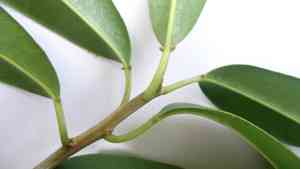
Celebrated for its latex yield, bolivian rubber, flourishes with appropriate trimming. To preserve its well-being and form, eliminate deceased or compromised limbs in late winter or early spring, prior to the emergence of new foliage. Pruning during its inactive period lessens sap leakage and fosters robust spring development. Reducing the density of the crown enhances light access and air movement, crucial for bolivian rubber's vigor. Consistent trimming also boosts latex generation, a prized characteristic of this variety.
What Are the Benefits of Pruning Bolivian Rubber?
What Are the Benefits of Pruning Bolivian Rubber?
Trimming bolivian rubber promotes vigorous development, leading to a denser canopy and stronger branches. Regular cutting helps maintain its desired shape, preventing excessive growth and ensuring optimal visual appeal.
What Is the Best Time for Pruning Bolivian Rubber?
What Is the Best Time for Pruning Bolivian Rubber?
Pruning bolivian rubber in late winter or early spring is optimal, as this period aligns with the end of dormancy and precedes the new growth cycle. This timing allows the gardener to clearly view the plant's structure without leaf obstruction, simplifying decisions on which branches to remove. Furthermore, wounds heal faster as the plant enters its active growth phase, reducing disease and pest risks. Pruning before the spring growth spurt also minimizes stress on bolivian rubber, fostering a strong, healthy growing season, and ensures energy is directed towards new shoots, leaves, and potentially flowers and fruits, rather than maintaining unnecessary or damaged branches.
What Tools Do I Need to Prune Bolivian Rubber?
Bypass Pruners
These are suitable for cutting smaller branches and twigs of bolivian rubber. The clean cuts made by bypass pruners help prevent damage and disease.
Loppers
For thicker branches that bypass pruners cannot manage, loppers offer the necessary leverage for branches up to 1.5 inches in diameter.
Pruning Saw
When dealing with branches thicker than loppers can handle, a pruning saw is essential for precise cuts without harming bolivian rubber.
Pole Pruner
For elevated branches, a pole pruner can be used to maintain bolivian rubber without needing a ladder, ensuring safety and reach.
Hedge Shears
If bolivian rubber is grown as a hedge or requires shaping, hedge shears allow for trimming new growth to encourage bushiness and maintain a desired form.
Gloves
Protective gloves are crucial for safety from thorns or rough bark while pruning bolivian rubber.
Cleaning Solution
A solution for cleaning tools is important to prevent disease spread when cutting different parts of bolivian rubber or moving between plants.
How to Prune Bolivian Rubber
Sanitization
Before beginning the pruning process, sterilize cutting tools with alcohol or a bleach solution to prevent disease transmission to bolivian rubber.
Dead branches
Identify and remove dead branches by cutting them where they meet healthy wood. Make a clean cut close to the branch collar to promote rapid healing in bolivian rubber.
Diseased branches
Cut away diseased branches, making the cut several inches into healthy tissue to ensure complete removal of affected areas in bolivian rubber. Safely dispose of removed material to prevent pathogen spread.
Wound care
After pruning, apply pruning paint to large cuts to protect bolivian rubber from disease and pests, aiding the natural healing process.
Cleanup
Clean the work area and properly dispose of all cuttings to maintain a healthy environment around bolivian rubber. Re-sterilize pruning tools before storing them for future use.
Common Pruning Mistakes with Bolivian Rubber
Over pruning
Removing too much foliage can stress bolivian rubber, hindering its growth and vitality. This may lead to reduced rubber production and a weakened plant structure.
Improper cutting technique
Incorrect cutting methods, such as tearing the bark or making jagged cuts, can create entry points for pests and disease, affecting bolivian rubber's health.
Pruning healthy growth
Bolivian rubber benefits from occasional thinning, but removing healthy, vigorous growth can reduce the plant's photosynthesis capacity and overall health.
Ignoring wounded areas
Failing to notice or address wounded or diseased limbs on bolivian rubber during pruning can lead to further decay and disease spread.
Indiscriminate pruning
Randomly cutting without a strategic plan can result in unbalanced growth and compromise bolivian rubber's aesthetic form.
Neglecting tool hygiene
Using dirty pruning tools can introduce pathogens to bolivian rubber, increasing the risk of infections at the cutting sites.
Lack of understanding of plant structure
Novices often lack an understanding of bolivian rubber's growth patterns, which can lead to incorrect pruning decisions.
Common Pruning Tips for Bolivian Rubber
Sharp clean cuts
Ensure to make clean, sharp cuts on bolivian rubber to promote quick healing and reduce the risk of disease. Always use sanitized and sharp tools.
Strategic thinning
Thinning out dense areas on bolivian rubber improves air circulation and light penetration, which is key for preventing fungal diseases and encouraging uniform growth.
Remove dead diseased wood
Regularly remove dead or diseased branches from bolivian rubber to maintain plant health and prevent the spread of disease.
Maintain form
Focus on maintaining bolivian rubber's natural shape and structure when pruning. It's important to enhance its form rather than alter it drastically.
Promote leader branch
Encouraging the growth of a dominant leader branch in bolivian rubber can result in a stronger, more stable tree structure.
Know growth habit
Understanding bolivian rubber's growth habit helps in making informed pruning decisions that benefit the plant's health and rubber production.
Layered pruning
Prune bolivian rubber to create a layered structure, with the lowest branches having the longest length, providing stability and an appealing shape.



