How to Transplant Turkey pea?
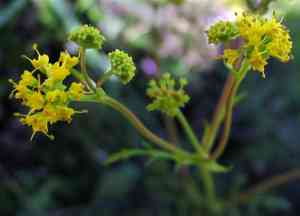
The most suitable period for relocating turkey pea is upon the return of warmer temperatures and the recommencement of growth, generally from late spring through early summer. Select a location offering partial sunlight and soil that drains effectively. Incorporating some organic material can facilitate the move.
What Preparations are Needed Before Transplanting Turkey Pea?
What is the Ideal Time for Transplanting Turkey Pea?
The perfect window to move turkey pea is from late spring into the initial weeks of summer. This period offers moderate temperatures and consistent moisture, promoting root development and minimizing stress, which leads to vigorous growth.
How Much Space Should You Leave Between Turkey Pea Plants?
When preparing to transplant your turkey pea, aim to provide each plant with its own area, ideally around 6-12 inches (15-30 cm) apart. This ensures each turkey pea has sufficient room to thrive without crowding and competing for nutrients.
What is the Best Soil Mix for Turkey Pea Transplanting?
Prepare a soil that drains well and is rich in organic material, such as compost, for your turkey pea. Incorporating a balanced, slow-release fertilizer into the soil will aid in developing strong roots. Check the soil's pH and adjust if needed—turkey pea generally prefers neutral to slightly acidic conditions.
Where Should You Relocate Your Turkey Pea?
Select a location for your turkey pea that receives full sun to partial shade, ensuring it gets at least 4-6 hours of sunlight daily. This will support healthy development. If sunlight is particularly intense, some light afternoon shade can help protect your turkey pea.
What Equipments Should You Prepare Before Transplantation Turkey Pea?
Gardening Gloves
To safeguard your hands while handling soil and plants.
Hand Trowel
For precise digging and moving of turkey pea.
Watering Can
To hydrate turkey pea before and after relocation.
Shovel or Spade
For extracting the plant from the ground without harming its roots.
Pruning Shears
To trim any dead or excess foliage.
Garden Fork
To loosen the soil around the roots when removing from the ground.
Wheelbarrow or Plant Caddy
For moving the turkey pea from one spot to another if the plant is large.
Rooting Hormone (optional)
To stimulate root growth post-transplant, if suitable for turkey pea.
How Do You Remove Turkey Pea from the Soil?
How Do You Remove Turkey Pea from the Soil?
From Ground: Hydrate the turkey pea to moisten the soil. Use a garden fork to gently loosen the soil surrounding the plant. With a shovel or spade, carefully excavate a wide area around the plant, preserving as much of the root ball as possible. Gently work beneath to lift the entire plant from its original position.From Pot: Water the turkey pea thoroughly. Invert the pot sideways and gently tap it to dislodge the root ball. Slide the plant out of the pot while supporting the base of the stem with your hand. If the plant is root-bound, carefully separate the roots with your fingers.From Seedling Tray: Dampen the soil in the tray to facilitate easy extraction. Use a hand trowel or fork to carefully lift the seedling along with its soil clump, minimizing root disturbance.
Step-by-Step Guide for Transplanting Turkey Pea
Preparing the New Site
Dig a hole that is twice as wide and equally deep as the root ball of the turkey pea. Loosen the soil at the base of the hole.
Root Ball Care
Inspect the root ball of turkey pea. If the roots are tightly packed or circling, gently untangle them. If the plant is root-bound, make vertical cuts to encourage outward growth.
Placement
Position turkey pea in the center of the hole so that the top of the root ball is level with the surrounding soil surface. Ensure the plant is upright.
Backfilling
Gently refill the hole with soil, firming it around the root ball to eliminate air pockets. Water thoroughly to settle the soil around the roots.
Stabilization
If turkey pea is top-heavy or susceptible to wind, add a stake for support and gently tie the plant to the stake with soft material.
How Do You Care For Turkey Pea After Transplanting?
Immediate Watering
Water turkey pea deeply immediately after transplanting to help reduce transplant shock and settle any remaining air pockets.
Mulching
Apply a layer of mulch around turkey pea, avoiding direct contact with the stem, to retain soil moisture and regulate soil temperature.
Staking
Periodically check the stake to ensure it is secure and that the ties are not constricting the stem as turkey pea grows.
Monitoring
Keep a close watch on turkey pea for signs of stress, such as wilting or discolored leaves, and adjust care as needed.
Adjusting Care
As turkey pea acclimates to its new location, be mindful of its watering requirements, reducing frequency as the plant establishes.
Troubleshooting Common Issues with Turkey Pea Transplantation.
What's the optimal time to transplant turkey pea?
The best period for transplanting turkey pea is during the late spring to early summer months when growth is active.
How much room does turkey pea need when transplanting?
Ensure to space turkey pea approximately 6-12 inches (15-30 cm) apart to allow ample room for growth.
My turkey pea wilts after transplanting, what should I do?
Wilting can be due to shock. Keep the soil moist and provide shade for a few days to help them recover.
Can I transplant turkey pea during hot weather?
Transplant during cooler parts of the day and ensure adequate watering to prevent stress during hot weather.
What kind of soil is best for transplanting turkey pea?
Turkey pea thrives in well-draining soil enriched with organic matter. Avoid waterlogged conditions.
How do I water turkey pea after transplanting?
Water thoroughly after transplanting and then maintain consistent moisture without over-saturating the soil.
Should I fertilize turkey pea after transplanting?
Wait a few weeks before applying a balanced fertilizer to allow turkey pea to establish in its new site.
Is it necessary to prune turkey pea when transplanting?
Pruning isn't essential, but removing damaged or excessively long roots can encourage healthier growth.
How deep should I plant turkey pea during transplanting?
Plant turkey pea so the root ball is level with the soil surface, not too deep to avoid stem rot.
What should I do if turkey pea shows signs of transplant shock?
Reduce environmental stress by providing shade, avoiding fertilizer, and keeping soil moist to help turkey pea recover.



