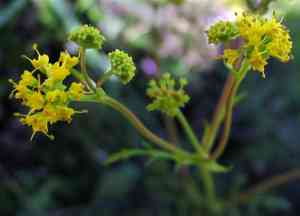
Turkey pea (Sanicula tuberosa)
Also known as: None known
The turkey pea (Lathyrus tuberosus) stands out from its taproot-producing relatives within the genus due to its small, edible underground tubers. These tubers are the reason for the "pea" in its name. This biennial plant, belonging to the carrot family, typically blooms in early spring.
In This Article
Attributes of Turkey pea
Lifespan
Biennial, Perennial
Plant Type
Herb
Plant Height
80 cm
Spread
10 cm to 20 cm
Leaf Color
Green
Flower Size
Approximately 0.1-0.2 cm
Flower Color
Yellow
Images of Turkey pea
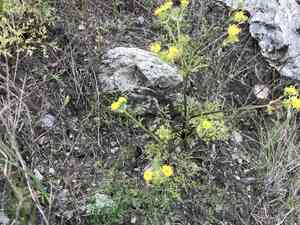
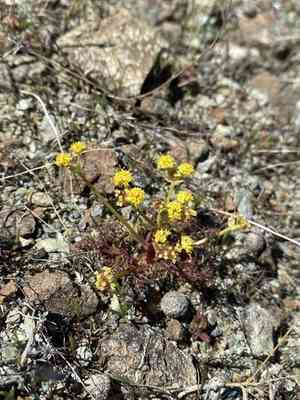
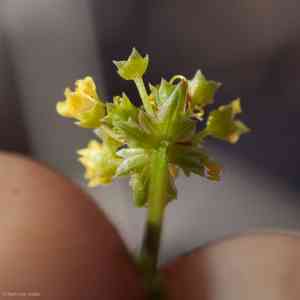
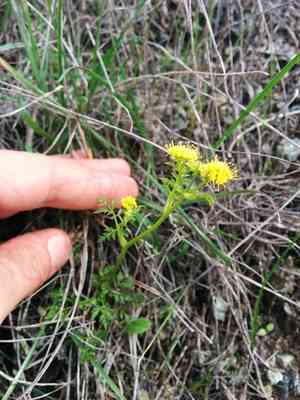
Quickly Identify Turkey pea
1
Sanicula tuberosa can be identified by its tuberous roots, lobed leaves, and small, yellowish-green flowers arranged in umbels. The stems are erect and can grow up to 60 cm tall.
Scientific Classification of Turkey pea
Phylum
Vascular plants
Class
Dicotyledons
Order
Apiales
Family
Umbellifers
Genus
Sanicle
Species
Turkey pea
Planting and Growing of Turkey pea
Care Difficulty
Easy
Watering Schedule
Every 2 days
Sunlight Requirements
Full sun
Sunshine Duration
6-12 hours
Ideal Temperature
60-75℉
Soil Type
Potting Mix, Peat Mix
Soil pH
6.5-7.5
Fertilizer Type
Balanced
Pruning Season
Spring, Summer
Pruning Area
Branches, Leaves
Pruning Frequency
2 times a year
Repotting Season
Spring
Pot Type
Plastic, Ceramic
 How to Water Turkey pea?
Sanicula tuberosa requires moderate watering, following a principle of allowing the soil to dry out slightly between watering sessions. Ensure the soil is mildly moist but never waterlogged, aiming for consistency rather than excess.
What are the symptoms of an underwatered Turkey pea?
›
What should I do if my Turkey pea is not getting enough water?
›
What are the symptoms of an overwatered Turkey pea?
›
How to save an overwatered Turkey pea?
›
 What Are the Sunlight Requirements for Turkey pea?
Sanicula tuberosa thrives in full to partial sun. Making sure it receives enough sunlight ensures vigorous growth and beautiful flowering, enhancing its decorative value.
How many hours of sunlight does Sanicula tuberosa require?
›
What should be done to ensure it gets ideal light?
›
What are the benefits of providing ideal light conditions?
›
 What Is the Ideal Temperature Range for Turkey pea?
Sanicula tuberosa thrives best in a moderate temperature range of 60°F to 75°F. This range allows for optimum growth and fosters a conducive environment for photosynthesis and other metabolic processes essential for plant health.
 What Soil is Best for Turkey pea?
Sanicula tuberosa thrives in well-drained soils that prevent waterlogging, ensuring healthy root development. Adequate drainage allows for oxygen availability, promoting robust growth and vitality. This plant benefits from soils with moderate nutrient levels. Excess nutrients can lead to excessive foliage at the expense of flowering, while poor nutrient soils can stunt overall growth. The soil should retain moisture without becoming overly saturated. Consistent moisture supports Sanicula tuberosa's metabolic processes and sustains its energy needs during active growth periods.
 How to Fertilize Turkey pea?
Sanicula tuberosa requires a moderate amount of fertilizer. Use about half the recommended dose for houseplants to avoid over-fertilization. It's crucial to adjust the amount based on the plant's growing conditions and observed health state. During the active growing season, apply a balanced liquid fertilizer diluted at a quarter to half-strength every two weeks.
 How to Prune Turkey pea?
Begin by removing any dead, damaged, or diseased stems. Make your cuts just above a node or a pair of leaves to encourage healthy, directed growth in Sanicula tuberosa. Shape the plant by trimming excessively long or untidy stems. Aim to create an open center to improve air circulation and light penetration, which can enhance your plant's overall health. Incorporate monthly check-ups on your plant to manage unexpected growths or problems. Regularly maintaining the plant's shape will result in a better-organized structure and emphasize its natural beauty.
More About Pruning Techniques→
 How to Propagate Turkey pea plant?
1
Sanicula tuberosa seeds require a period of stratification to germinate. Soak the seeds and then place them in a refrigerator for several weeks to simulate winter conditions.
2
Sow the stratified seeds in a seed tray filled with a well-draining seed-starting mix. Cover them lightly and keep the tray in a warm, sunny location.
3
For division propagation, carefully dig up an established Sanicula tuberosa plant. Use your hands or a sharp knife to separate clumps, ensuring each section has roots attached.
 How to Repot Turkey pea plant?
1
Sanicula tuberosa signals its need for repotting through stunted growth or overcrowded roots bursting from drainage holes. The ideal time is early spring or early autumn, when the plant is naturally more receptive to new growth.
2
Choose a pot slightly larger than the current one with adequate drainage holes. Ceramic or terracotta pots are ideal, as they provide stability and help prevent waterlogging, essential for healthy root development.
3
Opt for a well-draining potting mix rich in organic matter. This choice ensures sufficient aeration while retaining enough moisture for root absorption, reducing the risk of root rot and promoting healthy growth.
Learn More About Turkey pea Diseases
Anthracnose
Bacterial Leaf Spot
Bacterial Soft Rot
Bacterial Wilt
Crown Gall
Cyst Nematode
Damping-off
Downy Mildew
Drought Stress
Fusarium Wilt
Gray Mold
Leaf Spot
Mosaic
Nutrient Deficiency
Nutrient Toxicity
Powdery Mildew
Root Rot
Root-knot Nematode
Rusts
Sooty Mold
Spider Mites
Temperature Stress
Thrips Damage
White Mold



