How to Prune Turkey pea?
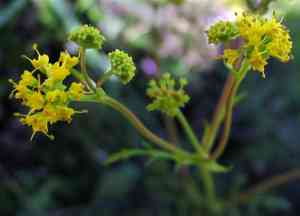
This enduring herb appears in early spring and produces tiny, grouped blossoms. For turkey pea, remove any lifeless or frail stalks in spring to stimulate development. Throughout summer, snip off faded blooms to deter self-propagation and foster a neat look. The ideal period for trimming is after flowering. Consistent pruning sustains vitality and visual attractiveness. Discard all cuttings to avert the dissemination of ailments. Proper pruning enhances the plant's well-being and aesthetic allure.
Advantages of Trimming turkey pea
Advantages of Trimming turkey pea
Trimming turkey pea promotes vigorous development and maintains its structure, ensuring a neat look. Strategic cutting back stimulates the plant, boosting its overall health and vitality.
Optimal Time for Trimming turkey pea
Optimal Time for Trimming turkey pea
Trimming turkey pea in spring allows for the removal of any dead or damaged foliage from the winter months, preparing the plant for new growth. Early summer pruning helps shape the plant and control its size before it completes its annual growth cycle. Pruning during these seasons ensures that the recovery is swift and that turkey pea has enough time to produce new growth before the dormant period in winter. These seasons avoid the plant's natural flowering period, preventing any disruption to fruiting or seed production. Additionally, pruning turkey pea at these times reduces stress on the plant, maintains its health, and enhances its vigor for the upcoming seasons.
Necessary Tools for Trimming turkey pea
Hand Pruners
For making precise cuts on turkey pea's stems, hand pruners are effective. They are suitable for cutting stems up to 3/4 inches thick, which aligns with turkey pea's stem diameter. Choose bypass pruners for healthy growth as they provide a clean cut that promotes rapid healing.
Pruning Shears
Pruning shears are another suitable option for trimming turkey pea due to their precision. They help in shaping the plant and removing dead or overgrown branches. This tool is key for maintaining the aesthetic and health of turkey pea.
Gloves
Wearing gloves is essential for protecting the hands from thorns or sharp plant parts when pruning turkey pea. Gloves also provide a better grip on the pruning tools.
How to Trim turkey pea
Clean tools
Before starting, sanitize your pruning shears with a solution of 1 part bleach to 9 parts water to prevent the spread of disease.
Diseased leaves
Carefully remove any diseased leaves from turkey pea by snipping them at the base of the leaf stem, being cautious not to tear the leaf to avoid further damage to the plant.
Withered leaves
Prune withered leaves by trimming them at the base near the main stem of turkey pea, using the same care as with diseased leaves to avoid stressing the plant.
Diseased stems
Identify and cut back any diseased stems on turkey pea, cutting well below the affected area into healthy tissue to ensure complete removal of the disease.
Cleanup
Remove all cuttings and debris from around turkey pea to discourage pests and disease, and dispose of them properly, not in the compost pile, to prevent spreading.
Common Trimming Errors with turkey pea
Overpruning
Removing too much foliage from turkey pea can stress the plant, potentially hindering its growth and reducing its ability to flower.
Improper cutting technique
Using a dull or dirty cutting tool can damage turkey pea's stems, leaving jagged cuts that are susceptible to disease and pests.
Pruning too close
Cutting too close to the main stem or bud of turkey pea may prevent new growth, as the buds are necessary for future development.
Neglecting health check
Failing to inspect turkey pea for signs of disease or pest infestations before pruning can result in the inadvertent spread of problems throughout the plant.
Disregarding plant shape
Pruning without considering the natural shape of turkey pea might lead to an unbalanced and unsightly appearance, as well as potentially detrimental growth patterns.
General Trimming Advice for turkey pea
Sharp clean tools
Always use sharp, sterilized pruning tools to make clean cuts on turkey pea, which help prevent disease transmission and promote quicker healing.
Correct pruning amount
Prune only the necessary amount, typically removing just the dead or diseased tissue, to preserve turkey pea's health while stimulating new growth.
Prune for air flow
Thin out dense areas of turkey pea to improve air circulation, which can help decrease the likelihood of fungal diseases.
Careful bud selection
Prune just above a bud that faces the outside of turkey pea to direct new growth outward and maintain an appealing plant form.
Post pruning care
After pruning turkey pea, ensure proper care by watering and mulching to support recovery and robust growth.



