How to Transplant Footsteps of spring?
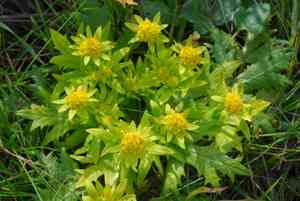
For the onset of spring, the ideal timeframe for root development is the warmer period spanning from the close of late spring to the height of mid-summer. Choose locations that receive partial sunlight and have well-draining earth. Careful manipulation of roots during relocation guarantees a smooth adaptation.
What Preparations are Needed Before Transplanting Footsteps Of Spring?
What is the Ideal Time for Transplanting Footsteps Of Spring?
Move footsteps of spring during its vigorous growth phase, from late spring through mid-summer. Relocating footsteps of spring at this time promotes strong root development in moderate temperatures, allowing it to establish itself well before colder weather. It's rewarding to see footsteps of spring flourish after transplanting, a sign of perfect timing. Every step, from site preparation to the actual move, aligns with footsteps of spring's natural growth cycle, ensuring success.
How Much Space Should You Leave Between Footsteps Of Spring Plants?
When relocating footsteps of spring, ensure they have adequate room. Position them approximately 12-18 inches (30-45 cm) apart. This spacing is ideal for their growth without becoming overcrowded.
What is the Best Soil Mix for Footsteps Of Spring Transplanting?
Footsteps of spring thrives in well-draining soil abundant in organic material. Prior to planting, incorporate compost or a balanced, slow-release fertilizer to give footsteps of spring an excellent start. This nutrient boost will help them grow and prosper!
Where Should You Relocate Your Footsteps Of Spring?
Choose a sunny location with some afternoon shade for your footsteps of spring. They enjoy the sun's warmth but benefit from protection during intense late-day sun. This will be their preferred spot!
What Equipments Should You Prepare Before Transplantation Footsteps Of Spring?
Gardening Gloves
To safeguard your hands while handling soil and plants.
Spade or Shovel
For digging and moving soil and the root ball.
Garden Fork
To loosen and aerate the soil surrounding the root system.
Watering Can or Hose
For pre-watering the plant and soil, and ensuring proper hydration after transplant.
Wheelbarrow or Garden Cart
To easily transport the plant and soil, especially for larger specimens.
Pruning Shears
For trimming any dead or excess growth before relocation.
Mulch
To help retain moisture and stabilize soil temperature post-transplant.
How Do You Remove Footsteps Of Spring from the Soil?
How Do You Remove Footsteps Of Spring from the Soil?
From Ground: First, water the footsteps of spring plant to moisten the soil, making it easier to manage. Use a spade or shovel to dig a wide trench around the plant, taking care to keep the root ball as intact as possible. Slide the tool beneath the root ball to gently lift and separate the plant from its original spot.From Pot: Water the footsteps of spring plant thoroughly to facilitate removal. Tilt the pot sideways and gently tap or shake it to loosen the plant. Support the plant's base with one hand, and slowly extract the plant and root ball from the pot with the other.From Seedling Tray: Water the footsteps of spring seedlings gently before removal to prevent shock. Use a spoon or a specialized seedling tool to carefully lift each seedling from its cell, ensuring the delicate roots and soil remain together as much as possible.
Step-by-Step Guide for Transplanting Footsteps Of Spring
Preparation
Gather all necessary tools and thoroughly water the footsteps of spring plant before beginning the transplant to minimize stress.
Removal
Follow the appropriate removal method based on whether your footsteps of spring plant is from the ground, a pot, or a seedling tray to ensure safe extraction.
Transport
Use a wheelbarrow or garden cart to promptly move the footsteps of spring plant to its new location to prevent root drying.
Planting Hole
Dig a hole twice as wide and the same depth as the root ball. Break up any soil clumps and remove debris.
Positioning
Place the footsteps of spring plant in the center of the hole, ensuring it sits at the same level as its original spot, spreading the roots outwards.
Backfilling
Carefully refill the hole with soil, gently firming it down without compacting, to eliminate air pockets.
Watering
Water the footsteps of spring plant deeply and slowly to settle the soil around the roots and provide hydration.
Mulching
Apply a 2 to 3-inch layer of mulch around the plant's base, keeping it away from the stems to prevent rot.
How Do You Care For Footsteps Of Spring After Transplanting?
Watering
Ensure the soil around the footsteps of spring remains consistently moist by watering deeply when the top inch of soil feels dry.
Pruning
Remove any dead or damaged growth to help footsteps of spring direct its energy towards establishing new roots instead of supporting unhealthy foliage.
Monitoring
Observe footsteps of spring for signs of transplant shock, such as wilting or discolored leaves, and address them promptly if they appear.
Support
If footsteps of spring is tall or top-heavy, consider staking it to help it stay upright while new roots develop.
Troubleshooting Common Issues with Footsteps Of Spring Transplantation.
What's the best time to transplant footsteps of spring?
Optimal relocation for footsteps of spring is during the pleasant late spring to mid-summer period for root establishment.
How far apart should I plant footsteps of spring for healthy growth?
Space footsteps of spring generously, ideally 12-18 inches (30-45 cm) apart, to allow ample room for flourishing.
Why is my footsteps of spring wilting after transplanting?
Wilting post-transplant can indicate shock. Ensure gentle root handling and maintain sufficient soil moisture.
Do I need to fertilize footsteps of spring after transplanting?
After transplant, footsteps of spring benefits from a balanced, slow-release fertilizer to encourage strong growth without overwhelming the roots.
Can I transplant footsteps of spring in full sun?
While footsteps of spring tolerates partial sun, select a spot with a mix of sun and shade to prevent scorching.
What kind of soil is best for transplanting footsteps of spring?
Choose soil that drains well and is rich in organic matter to keep footsteps of spring healthy and content.
My footsteps of spring looks unhealthy post-transplant, what should I do?
Review your watering routine and drainage. Adjust as needed, and prune any dead or damaged growth from footsteps of spring.
What depth should I dig to transplant footsteps of spring?
Dig a hole as deep as the root ball and twice as wide to provide footsteps of spring with a stable foundation.
Should footsteps of spring's leaves be cut back when transplanting?
Trimming can reduce stress on the roots, so a light prune is beneficial, but avoid excessive cutting.
How do I ensure footsteps of spring survives its first winter post-transplant?
Mulch around footsteps of spring to maintain soil temperature and moisture, but keep it away from stems to prevent rot.



