How to Prune Footsteps of spring?
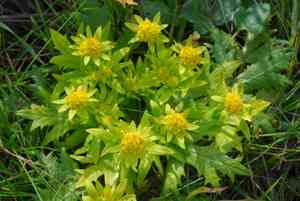
A diminutive perennial featuring umbrella-shaped floral arrangements, footsteps of spring thrives in seaside meadows. Optimal trimming occurs from spring to autumn to preserve its dense form and stimulate abundant blossoms. Removing faded flowers improves appearance and fosters fresh development. Prune sparingly, as aggressive cutting can damage this fragile variety. Consistent pruning additionally averts congestion and enhances airflow, guaranteeing footsteps of spring stays a robust and appealing ground cover.
Advantages of Trimming Footsteps Of Spring
Advantages of Trimming Footsteps Of Spring
Trimming footsteps of spring promotes more prolific flowering, ensuring a robust and compact growth habit. Through careful cutting, gardeners can maintain footsteps of spring's desired form, enhancing its visual appeal.
Optimal Time for Trimming Footsteps Of Spring
Optimal Time for Trimming Footsteps Of Spring
Trimming or shaping footsteps of spring in late spring after its bloom period allows gardeners to sculpt the plant and stimulate new development without hindering its flowering. Early summer trimming can help direct energy towards healthy development and preserve the desired shape, while avoiding the strain of peak summer heat. Autumn trimming is perfect for eliminating any dead or diseased foliage and preparing footsteps of spring for dormancy, ensuring a stronger start in the next growing season. These periods are considered ideal as they align with footsteps of spring's growth cycle and prevent negative impacts on its health and bloom time.
Necessary Tools for Trimming Footsteps Of Spring
Bypass Pruners
Suitable for making clean cuts on footsteps of spring's green and soft stems without causing damage.
Gardening Scissors
Ideal for precise trimming of footsteps of spring's delicate foliage and for deadheading spent flowers.
Pruning Shears
Useful for shaping footsteps of spring and maintaining the desired form, as they can handle stems with slightly more thickness compared to gardening scissors.
How to Trim Footsteps Of Spring
Sanitize tools
Before starting, disinfect pruning tools with rubbing alcohol or a 10% bleach solution to prevent disease transmission.
Remove diseased parts
Inspect footsteps of spring for any diseased leaves. Using your sanitized tools, neatly snip off these leaves at their base, being careful not to harm the plant's stems or nearby healthy foliage.
Trim withered leaves
Identify withered or dead leaves on footsteps of spring. Carefully snip them off at the point where they meet the stem or a healthy part of the leaf, which will help promote new growth.
Deadhead flowers
Examine footsteps of spring for withered flowers. Deadhead these by making a clean cut just above the first set of healthy leaves or new bud to encourage further blooming and prevent seed formation if not desired.
Cleanup
Gather all removed plant debris from around footsteps of spring to prevent any potential disease reoccurrence and promote overall plant health and aesthetics.
Common Trimming Errors with Footsteps Of Spring
Excessive trimming
Removing too much foliage at once can stress footsteps of spring, leading to poor growth or disease susceptibility.
Incorrect cut placements
Cutting too far from a node or into old wood can prevent proper healing and new growth.
Not sanitizing tools
Using dirty pruning tools can introduce pathogens to the cuts on footsteps of spring, potentially causing infections.
Trimming too often
Excessive pruning can weaken footsteps of spring as it constantly tries to recover and regrow, which can also reduce blooming.
Ignoring plant shape
Failure to consider the natural shape of footsteps of spring can result in an unbalanced and aesthetically displeasing appearance.
Neglecting to remove dead material
Leaving dead or diseased foliage can hinder growth and may spread illness throughout footsteps of spring.
General Trimming Advice for Footsteps Of Spring
Use sharp tools
Employ sharp and clean pruning shears to make precise cuts that will heal quickly, minimizing stress on footsteps of spring.
Cut at an angle
Make cuts at a 45-degree angle, just above a leaf node or bud, to encourage proper regrowth and water runoff.
Focus on diseased or damaged stems
Prioritize the removal of any stems that are diseased, damaged, or dead to maintain the health of footsteps of spring.
Prune for air circulation
Thin out dense areas to improve air flow, which helps prevent fungal diseases in footsteps of spring.
Maintain plant structure
Respect the inherent shape and growth pattern of footsteps of spring while pruning to enhance its natural form.
Follow the one-third rule
As a general guideline, refrain from removing more than one-third of the plant's growth in a single pruning session to avoid stressing footsteps of spring.
Prune for rejuvenation
Selectively prune older stems to stimulate the growth of new, vigorous stems, which can enhance flowering in subsequent seasons.



