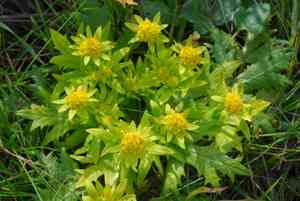
Footsteps of spring (Sanicula arctopoides)
Also known as: Yellow mats
"Footsteps of spring" (Sanicula arctopoides), found on the western coast of the United States and along a 30 km stretch of shoreline in Canada, is considered endangered in Canada and Washington state. Threats to this perennial herb include habitat encroachment from invasive species, damage from heavy foot traffic in popular areas, and grazing by Canada's goose population.
In This Article
Attributes of Footsteps of spring
Lifespan
Perennial, Biennial
Plant Type
Herb
Plant Height
5 cm to 30 cm
Spread
Varies; typically spreads wider than tall
Leaf Color
Green
Flower Size
1.5 cm
Flower Color
Yellow Green
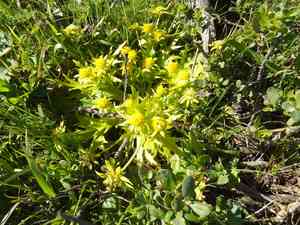
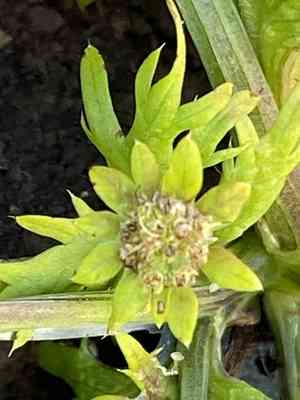
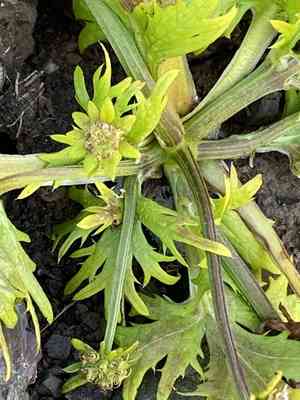
Images of Footsteps of spring
Quickly Identify Footsteps of spring
1
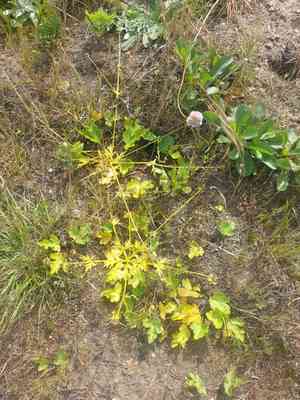
Sanicula arctopoides can be identified by its distinctive bear\'s foot shaped leaves, yellow flower clusters, and its low-growing habit. The plant typically has a sprawling growth form, with leaves that have three deeply toothed lobes.
Scientific Classification of Footsteps of spring
Phylum
Vascular plants
Class
Dicotyledons
Order
Apiales
Family
Umbellifers
Genus
Sanicle
Species
Footsteps of spring
Planting and Growing of Footsteps of spring
Care Difficulty
Easy
Watering Schedule
Every 2 days
Sunlight Requirements
Full sun
Sunshine Duration
4-8 hours
Ideal Temperature
50-70℉
Soil Type
Potting Mix, Peat Mix
Soil pH
6.5-7.5
Fertilizer Type
Balanced
Pruning Season
Spring, Summer
Pruning Area
Branches, Leaves
Pruning Frequency
2 times a year
Repotting Season
Spring
Pot Type
Plastic, Ceramic
 How to Water Footsteps of spring?
Sanicula arctopoides requires moderate watering, ensuring that each application thoroughly moistens the soil without leaving it waterlogged. It's optimal to allow the first inch of soil to dry out before considering the next watering session, avoiding both drought and over-saturation.
What are the symptoms of an underwatered Footsteps of spring?
›
What should I do if my Footsteps of spring is not getting enough water?
›
What are the symptoms of an overwatered Footsteps of spring?
›
How to save an overwatered Footsteps of spring?
›
 What Are the Sunlight Requirements for Footsteps of spring?
Sanicula arctopoides thrives in partial to full sun, ideally 4 to 6 hours daily. Proper light fosters robust growth and vivid green foliage, enhancing the plant's aesthetic appeal.
What is the best location for Sanicula arctopoides?
›
Why is partial shade beneficial for Sanicula arctopoides?
›
How can I maximize Sun exposure for Sanicula arctopoides?
›
 What Is the Ideal Temperature Range for Footsteps of spring?
Sanicula arctopoides thrives in moderate climates with temperatures ranging from 50°F to 70°F. This range provides optimal conditions for growth and physiological processes. Temperatures within this range support effective photosynthesis, robust root development, and overall plant health.
 What Soil is Best for Footsteps of spring?
Sanicula arctopoides thrives in well-drained soil to prevent root rot and ensure healthy growth. The well-drained nature allows air circulation and aids in the absorption of essential nutrients. A soil that retains some moisture but does not become waterlogged is vital for this plant. It ensures the plant receives adequate hydration without the risk of suffocation or rot. Sanicula arctopoides benefits from a substrate rich in organic matter. This enhances growth by providing necessary nutrients and improving soil structure, fostering a supportive environment.
 How to Fertilize Footsteps of spring?
Sanicula arctopoides, commonly known as bear's foot sanicle, requires a modest amount of fertilizer to thrive. It's advisable to use a balanced 10-10-10 liquid fertilizer, diluted to half strength. Apply about 100 ml per plant during the growing season to avoid over-fertilization while ensuring sufficient nutrient supply.
 How to Prune Footsteps of spring?
Begin by inspecting the plant for dead or yellowing foliage. Use sharp, clean pruning shears to cut these at the base. Do not cut healthy green stems as they are crucial for photosynthesis. After pruning, water the plant to support recovery and reduce stress. Before pruning, check for signs of pest infestations. If any are found, treat before cutting. This prevents the spread of pests to new growth. Sanitize tools before and after to avoid introducing pathogens.
More About Pruning Techniques→
 How to Propagate Footsteps of spring plant?
1
Gather seeds from mature Sanicula arctopoides plants in late summer. Ensure that the seed pods are dry and brown before harvesting to guarantee seed viability.
2
Fill seed trays with well-draining potting soil. It's important to use fresh, sterile soil to prevent disease transmission to the seedlings.
3
Distribute the seeds evenly on the soil surface. Lightly press them into the soil without covering entirely, as some light exposure can help germination.
 How to Repot Footsteps of spring plant?
1
You should consider repotting Sanicula arctopoides when you notice roots emerging from the drainage holes, significant decrease in growth, or if the soil doesn't retain moisture as it once did. Spring and summer offer optimal conditions, benefiting from longer daylight hours and warmer temperatures.
2
Opt for a pot that is just slightly larger than the current one, with sufficient drainage holes. The greater drainage prevents water-logging, which could harm the plant’s roots. Clay pots can be ideal as they allow for breathability, enhancing the root health of Sanicula arctopoides.
3
A sandy, well-draining soil mix is essential for repotting Sanicula arctopoides. This type of soil prevents root rot by ensuring that excess water drains away quickly, maintaining a healthy moisture balance around the plant's roots. Incorporating some organic matter will help in nutrient retention.
Learn More About Footsteps of spring Diseases
Anthracnose
Bacterial Leaf Spot
Bacterial Soft Rot
Bacterial Wilt
Chemical Injury
Damping-off
Downy Mildew
Drought Stress
Fusarium Wilt
Gray Mold
Leaf Spot
Mosaic
Nutrient Deficiency
Nutrient Toxicity
Powdery Mildew
Root Rot
Root-knot Nematode
Rusts
Sooty Mold
Spider Mites
Temperature Stress
Thrips Damage
White Mold



