How to Transplant Scouler Willow?
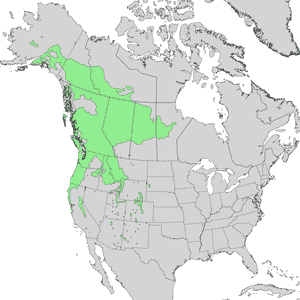
The most favorable period for relocating scouler Willow is during the peak of spring's early vigor, providing cool, damp surroundings perfect for root development. Select a bright location featuring soil that drains effectively, and during the process, safeguard its fragile root system to foster vigorous development.
Necessary Preparations Before Relocating Scouler Willow
When is the Best Time to Move Scouler Willow?
The perfect time for moving scouler Willow is from early spring's awakening until the start of summer. This period offers an ideal mix of cool temperatures and increasing daylight, which encourages scouler Willow's root development while its upper parts are not yet fully grown. Transplanting your scouler Willow during this window ensures roots get established in their new spot before summer's heat stress. Embrace this season to give your scouler Willow the gentle start it needs for successful growth!
What is the Recommended Spacing Between Scouler Willow Plants?
Hello there! Before settling your scouler Willow into its new home, you'll want to provide ample room for it to thrive. Aim to position each young plant approximately 15-20 feet apart (4.5-6 meters) â this will allow its roots and branches the necessary space as they mature!
What is the Optimal Soil Blend for Scouler Willow Transplantation?
Your scouler Willow will appreciate a well-prepared, comfortable spot with the right soil! Look for a damp, well-draining area and enrich it with some organic compost. A light application of a balanced, slow-release fertilizer will give your green companion a great start.
Where Should You Replant Your Scouler Willow?
Sunlight benefits your scouler Willow, but not excessively! Locate a spot that receives full sun to partial shade. Consider bright mornings and protected afternoons â that's the ideal environment for your leafy friend to absorb warmth and flourish.
Equipment to Prepare Before Transplanting Scouler Willow
Gardening Gloves
To safeguard your hands while handling soil and plants.
Spade or Shovel
For digging the perimeter around the scouler Willow for removal and excavating the hole at the new site.
Hand Trowel
Useful for smaller or more precise digging tasks.
Pruning Shears
To carefully trim any damaged roots or stems.
Watering Can
To ensure the soil is moist at the transplanting location and to water the scouler Willow after planting.
Wheelbarrow or Garden Cart
For transporting the scouler Willow to its new spot, if needed.
Burlap or Tarp
To wrap and safeguard the root ball during transit.
Stake and Ties
To provide support for the scouler Willow if it is a larger specimen.
Mulch
To help retain soil moisture and reduce weed growth after transplant.
How to Extract Scouler Willow from the Ground?
How to Extract Scouler Willow from the Ground?
From Ground: First, water the scouler Willow to moisten the soil, making it easier to work with. Dig a wide circle around the scouler Willow using a spade or shovel, maintaining a generous distance from the main stem to protect the root ball. Carefully insert the spade beneath the root ball and gently lift the scouler Willow, ensuring minimal root disruption.From Pot: Water the scouler Willow and allow it to absorb moisture. Turn the pot on its side, hold the plant by its base, and tap the bottom to encourage the plant to slide out. Use a hand trowel to loosen the edges if necessary.From Seedling Tray: Dampen the soil in the tray. Gently ease the scouler Willow seedling out using a hand trowel or similar tool, taking care not to harm the delicate roots.
Detailed Instructions for Transplanting Scouler Willow
Preparation
Ensure all necessary tools are ready. Prepare the scouler Willow for transplant by ensuring it is well-watered beforehand.
Digging the Hole
At the new site, dig a hole twice as wide and just as deep as the scouler Willow's root ball.
Planting
Gently place the scouler Willow into the hole, making sure it is positioned at the same depth it was originally growing, with the root crown level with the ground surface.
Refill and Water
Backfill the hole with soil, gently firming it around the scouler Willow to eliminate air pockets. Water thoroughly to settle the soil around the roots.
Staking
If the scouler Willow is tall or exposed to wind, insert a stake next to the planting hole and loosely tie the scouler Willow to it for support.
Mulching
Apply a layer of mulch around the base of the scouler Willow, being careful to keep it away from the stem to prevent rot.
How to Care for Scouler Willow After Transplantation?
Immediate Watering
After transplanting, water the scouler Willow generously to aid its recovery from the move and help it establish in its new location.
Regular Check-ups
Inspect the scouler Willow frequently for signs of water stress or damage, and maintain consistent moisture levels, especially during the initial growing season.
Support Adjustment
Check and adjust stakes and ties as the scouler Willow grows to ensure they are not too tight and the scouler Willow remains stable.
First Year Care
Minimize weed competition through hand weeding and provide shelter during extreme weather to assist the scouler Willow in its first year after transplanting.
Resolving Common Issues with Scouler Willow Transplantation.
What's the ideal time to transplant scouler Willow?
Optimal timing is during mild weather, ideally from early to late spring, to allow scouler Willow ample time to establish.
How much space should I leave between scouler Willow when transplanting?
Space scouler Willow approximately 15-20 feet (4.5-6 meters) apart to accommodate their mature size and ensure healthy development.
How should I prepare the site for transplanting scouler Willow?
Choose a sunny location with well-drained soil. Dig a spacious hole, twice the width but the same depth as the root ball.
How do I know if scouler Willow is getting too much water post-transplant?
Signs of overwatering include yellow leaves or a soggy base. Allow the topsoil to dry slightly between watering sessions.
Why are the leaves of my transplanted scouler Willow wilting?
Wilting after transplant is often due to root shock. Keep the soil moist and shield the plant from intense sun and winds.
Can I transplant scouler Willow in the middle of summer?
It's risky; scouler Willow should ideally be moved in milder temperatures to reduce stress and prevent rapid evaporation of soil moisture.
Why is my scouler Willow not flourishing after transplanting?
Ensure you're not planting too deep, providing sufficient water, and that the soil has adequate nutrients. Also, check for pest damage.
How should I handle the roots of scouler Willow during transplanting?
Carefully untangle any circling roots and spread them out in the hole. Avoid bending or breaking them to promote good establishment.
My scouler Willow looks droopy even with enough water, why?
Check for root damage or diseases. Ensure the planting depth is correct and there are no air pockets in the soil.
Should I use fertilizer when transplanting scouler Willow?
Avoid strong fertilizers which can harm new roots. Use a mild starter solution if necessary, and always follow product instructions.



