How to Prune Scouler Willow?
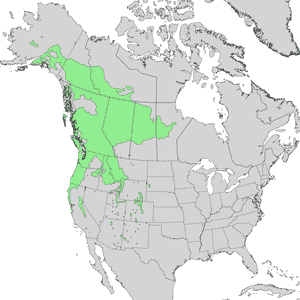
This adaptable deciduous shrub or compact tree demonstrates robustness across diverse environments. To achieve peak development, trim scouler Willow during late winter or early spring while it is inactive. Eliminate any deceased or impaired limbs, sculpt for the preferred configuration, and thin out thick foliage to foster air movement and light access. This practice sustains vigor and stimulates fresh development. Trimming is advantageous for managing dimensions and enhancing the plant's inherent, graceful arching shape.
Advantages of Trimming Scouler Willow
Advantages of Trimming Scouler Willow
Trimming scouler Willow encourages strong new growth, ensuring a sturdy framework. Regular trimming also maintains the desired form and size, enhancing the plant's visual appeal.
Optimal Time for Pruning Scouler Willow
Optimal Time for Pruning Scouler Willow
Late winter and early spring are ideal for pruning scouler Willow as the plant remains dormant, minimizing stress and sap loss. Pruning before spring growth allows the plant to recover from cuts more efficiently and directs energy towards new growth once temperatures rise. These periods also avoid exposing fresh cuts to extreme cold or the spread of diseases, which are more common during wet conditions at other times of the year. Additionally, the plant's structure is more visible without leaves, enabling more precise trimming. Pruning before flowering ensures the beauty of the plant's catkins is not diminished and does not affect the potential development of any fruiting bodies. Timing the pruning to these seasons promotes healthy growth and maintains the overall vitality of scouler Willow.
Tools Required for Pruning Scouler Willow
Bypass Pruners
Perfect for making clean cuts on smaller branches of scouler Willow without crushing plant tissues. Suitable for twigs and small stems up to half an inch in diameter.
Loppers
Designed for cutting thicker branches, typically up to 1.5 to 2 inches in diameter. Loppers will help manage the more robust growth of scouler Willow, providing leverage for cleaner cuts.
Pruning Saw
An essential tool for handling branches thicker than what loppers can manage. Given scouler Willow's potential to grow sizable branches, a pruning saw ensures a gardener can manage larger limbs effectively.
Pole Pruner
For higher branches that are out of reach, a pole pruner allows for the safe pruning of scouler Willow without the need for a ladder, thus reducing risk while maintaining the plant's structure.
How to Prune Scouler Willow
Sanitize cutting tools
Clean and sharpen pruning tools to ensure precise cuts and to prevent the spread of disease when working on scouler Willow.
Identify branches
Examine scouler Willow to locate all dead and diseased branches. These will often have discoloration, visible damage, or may lack bark and leaves.
Cut dead branches
Prune dead branches by making cuts at a 45-degree angle 1/4 inch above a bud or branch junction to promote healthy growth and wound healing.
Remove diseased branches
Carefully cut away diseased branches, ensuring to remove the entire affected area to prevent disease spread. Disinfect tools after each cut if disease presence is known.
Dispose trimmed material
Dispose of or destroy all trimmed material, especially diseased branches, to prevent any disease from spreading throughout the garden or back to scouler Willow.
Common Pruning Errors with Scouler Willow
Excessive pruning
Removing too much foliage from scouler Willow at once can stress the plant, potentially leading to weak growth and susceptibility to diseases.
Incorrect cut placement
Cutting too close to the trunk or leaving too long a stub can both be harmful. The former can damage the trunk, while the latter can lead to decay and attract pests.
Using dull tools
Pruning with dull tools can create jagged cuts that are more susceptible to disease and may harm scouler Willow's ability to heal effectively.
Neglecting to prune
While scouler Willow is generally a robust plant, failing to prune when necessary can result in dense foliage that may reduce airflow and light penetration, leading to a decline in overall plant health.
Pruning without plan
Random or excessive pruning without understanding the growth pattern of scouler Willow can lead to an unbalanced shape and even reduce the number of blooms.
General Pruning Advice for Scouler Willow
Clean cut
Make sure cuts are clean and at an angle to prevent water accumulation, which could lead to decay and disease. Clean cuts heal faster and reduce the risk of pathogens.
Selective pruning
Target only dead, damaged or diseased branches, and thin out areas to improve light and air circulation. This ensures that scouler Willow maintains its natural form and vigour.
Use sharp tools
Always use sharp, clean pruning tools to make precise cuts. This helps facilitate quick healing and reduces the chance of spreading disease.
Cut at the disease free area
When removing diseased branches, cut well into the healthy wood to ensure that all diseased tissue has been removed, which helps prevent the spread of infection.
Prune to node
Cut just above an outward-facing bud or node to direct new growth away from the center of scouler Willow, promoting a more open habit that is less prone to diseases.



