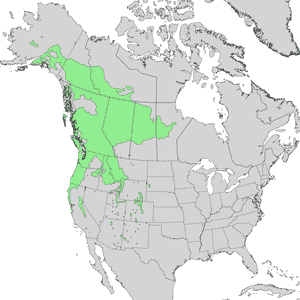
Scouler Willow (Salix scouleriana)
Also known as: Scouler's Willow
The Scouler Willow (Salix scouleriana) is a shrub that can occasionally grow into a small tree, featuring a deep and extensive root system. Native to western North America, it is commonly referred to by other names such as fire willow, Nuttall willow, mountain willow, and black willow.
In This Article
Attributes of Scouler Willow
Lifespan
Perennial
Plant Type
Tree, Shrub
Plant Height
1 m to 20 m
Spread
2 m to 15 m
Leaf Color
Green
Flower Size
2 cm to 4 cm
Flower Color
Yellow Green
Images of Scouler Willow
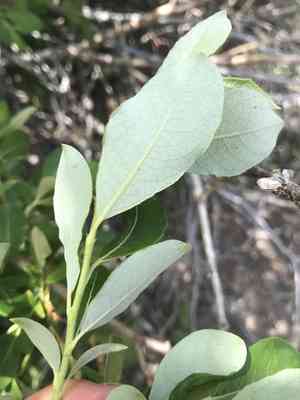

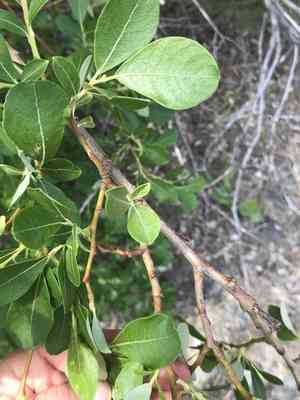
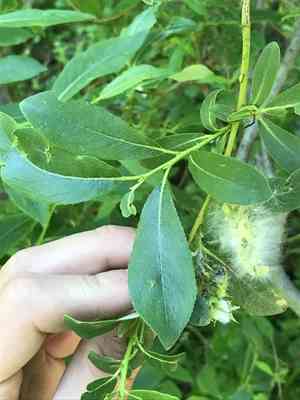
Quickly Identify Scouler Willow
1
Scouler\'s willow can be identified by its lance-shaped leaves with finely serrated edges, which are green on top and pale underneath. Its twigs are often covered with fine hairs, and the bark is smooth and gray when young, becoming furrowed with age. Catkins appear in early spring before the leaves.
Scientific Classification of Scouler Willow
Phylum
Vascular plants
Class
Dicotyledons
Order
Malpighiales
Family
Willow
Genus
Willows
Species
Scouler Willow
Planting and Growing of Scouler Willow
Care Difficulty
Easy
Watering Schedule
Every 4 days
Sunlight Requirements
Full sun
Sunshine Duration
4-8 hours
Ideal Temperature
55-75℉
Soil Type
Potting Mix, Peat Mix
Soil pH
5.5-7.5
Fertilizer Type
Balanced
Pruning Season
Spring, Summer
Pruning Area
Branches, Leaves
Pruning Frequency
2 times a year
Repotting Season
Spring
Pot Type
Plastic, Ceramic
 How to Water Scouler Willow?
When watering Salix scouleriana, ensure you drench the soil thoroughly, allowing the moisture to reach the deeper roots. The goal is to maintain evenly moist soil without waterlogging. Adjust the amount as needed, typically 500ml depending on the plant's size and environment.
What are the symptoms of an underwatered Scouler Willow?
›
What should I do if my Scouler Willow is not getting enough water?
›
What are the symptoms of an overwatered Scouler Willow?
›
How to save an overwatered Scouler Willow?
›
 What Are the Sunlight Requirements for Scouler Willow?
Partial to full sun is ideal for Salix scouleriana; this range ensures optimal photosynthesis and vigorous growth, promoting a lush appearance and robust resistance to environmental stressors.
More About Sunlight Requirements Techniques→
What is the best lighting condition for Salix scouleriana?
›
What solutions can provide Salix scouleriana its ideal light conditions?
›
What are the benefits of ideal lighting for Salix scouleriana?
›
 What Is the Ideal Temperature Range for Scouler Willow?
The ideal temperature range for Salix scouleriana, commonly known as Scouler's willow, is between 55°F and 75°F. This range provides the optimal conditions for photosynthesis and other physiological processes essential for healthy growth. Temperatures within this range facilitate nutrient uptake from the soil and help prevent stress on the plant, ensuring robust development.
 What Soil is Best for Scouler Willow?
Salix scouleriana thrives in well-draining soil that prevents waterlogging, encouraging robust root development and minimizing root rot. A nutrient-rich substrate is key for Salix scouleriana to achieve vigorous growth, providing essential nutrients that nourish its fast-growing shoots. While well-draining, soil should also retain ample moisture to support the willow’s love for wetter conditions, promoting lush leaves and a healthy plant structure.
 How to Fertilize Scouler Willow?
For Salix scouleriana, using a balanced 10-10-10 or 20-20-20 NPK fertilizer is recommended. For liquid fertilizers, dilute to half strength and use about 1 gallon per square foot. Solid fertilizers should be sprinkled lightly, about 1/4 cup around the base of young trees and 1/2 cup for more mature specimens.
 How to Prune Scouler Willow?
Identify and remove any dead or diseased branches close to the base of the branch collar. This helps to prevent the spread of disease and encourages healthy growth. For aesthetic purposes, maintain the natural shape by trimming overgrown branches. Focus on the outer canopy to achieve a balanced and open structure that allows ample sunlight and air circulation.
More About Pruning Techniques→
 How to Propagate Scouler Willow plant?
1
Choose a healthy branch that is free of diseases and pests. It should be semi-hardwood for optimum rooting potential.
2
Cut a 6-8 inch section from the branch at a 45-degree angle. Remove leaves from the lower half of the cutting to reduce water loss.
3
Dip the base of the cutting in rooting hormone. Plant it in a pot filled with a mix of sand and peat, and ensure it is kept moist.
 How to Repot Scouler Willow plant?
1
Salix scouleriana needs repotting when roots outgrow the current pot, emerging from drainage holes, or when soil becomes compacted. Spring or Autumn are ideal for repotting since the plant's growth is active, ensuring quick recovery. Checking if water stands on top of the soil for too long is also a signal that repotting is needed.
2
Select a pot that's 1-2 inches larger in diameter than the current one, with adequate drainage holes to prevent waterlogging. A pot too large can hold excessive moisture, risking root rot, while a small pot restricts growth. Opt for clay or terracotta pots, aiding in moisture regulation by allowing excess moisture to evaporate.
3
Use a well-drained loamy soil mix, enriched with organic matter. Ensure the soil's pH balances slightly acidic to neutral to promote healthy root development. This soil type offers sufficient aeration and nutrient supply, preventing water stagnation and supporting robust plant growth.



