How to Transplant Woolly willow?
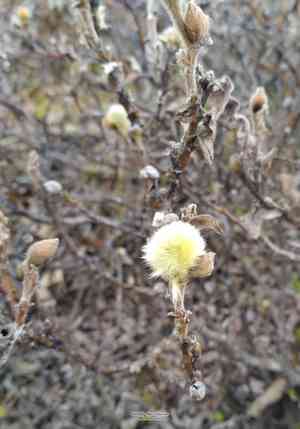
Woolly willow flourishes when relocated from the beginning of spring to early summer, owing to optimal ground warmth and hydration. Select a site that receives full sun or partial shade, featuring soil that drains effectively. Provide moderate irrigation after the transplanting process.
Necessary Preparations Before Moving Woolly Willow?
Optimal Period for Relocating Woolly Willow?
The prime season for relocating woolly willow spans from early to late spring and into early summer. This timeframe ensures the plant avoids stress from harsh temperatures, allowing root establishment prior to summer's heat. Transplanting during this period fosters robust development and successful acclimation to its new spot, guaranteeing the perennial thrives.
Required Spacing Between Woolly Willow Plants?
When relocating woolly willow, ensure each plant is positioned 36-48 inches (91-122 cm) apart. This provides ample room for growth and development without competition for resources.
Best Soil Mixture for Woolly Willow Relocation?
For woolly willow, aim for well-draining soil enriched with organic material. Incorporate a foundational fertilizer like compost or aged manure to create a nutrient-rich environment. This will give your plant a healthy start.
Recommended Location for Your Woolly Willow?
Position woolly willow in an area receiving full sun or partial shade. This plant flourishes best with 4-6 hours of daily sunlight, providing sufficient energy for strong, beautiful growth.
Equipment to Prepare Before Relocating Woolly Willow?
Gardening Gloves
To safeguard your hands while handling soil and the plant.
Shovel or Spade
For excavating around the plant and preparing a new planting hole.
Trowel
Useful for more precise digging and managing smaller plants.
Watering Can or Hose
To hydrate the plant before and after its move.
Bucket
To transport soil or water as required.
Pruners
For trimming any damaged roots or branches.
Wheelbarrow
Optional, but beneficial for moving the plant or materials.
How to Extract Woolly Willow from its Current Location?
How to Extract Woolly Willow from its Current Location?
From Ground: First, moisten the woolly willow's soil by watering. Then, dig a wide trench around the plant using a shovel or spade, ensuring the root ball remains intact. Carefully work the spade beneath the root ball to lift the plant from its original spot.From Pot: Water the woolly willow thoroughly before removing it from its container. Gently tap the pot's sides to loosen the soil. Carefully tilt the pot and guide the plant out, taking care not to harm the roots.From Seedling Tray: Water the woolly willow seedlings completely. Use a trowel or your fingers to gently lift each seedling from the tray, holding them by the leaves to avoid damaging the delicate stems and roots.
Step-by-Step Guide for Relocating Woolly Willow
Site Preparation
Prepare the new location by digging a hole at least twice the width and depth of the woolly willow's root ball. Loosen the soil at the bottom of the hole.
Plant Removal
Follow the appropriate removal method based on the plant's current setting (ground, pot, or seedling tray).
Plant Placement
Place the woolly willow into the hole, ensuring the top of the root ball is level with the surrounding soil. Backfill the hole with soil, gently firming it down to eliminate air pockets.
Watering
Thoroughly water the woolly willow after planting to help settle the soil and establish the plant.
Mulching
Apply a layer of mulch around the base of the woolly willow to help retain moisture and regulate soil temperature.
Post-Relocation Care for Woolly Willow?
Watering
Maintain consistent moisture in the soil around the woolly willow, avoiding sogginess, for the initial weeks after relocation to aid in strong root development.
Monitoring
Regularly inspect the woolly willow for indications of stress, such as wilting or yellowing leaves, and adjust care as necessary.
Weed Control
Keep the area surrounding the woolly willow free of weeds to minimize competition for nutrients and water.
Protection
Shield the woolly willow from extreme weather conditions, if required, by utilizing shade cloth or frost blankets.
Resolving Common Issues with Woolly Willow Relocation.
When is the optimal time to move woolly willow?
The best time to move woolly willow is from early spring to late spring or early summer.
What is the ideal spacing for woolly willow?
Position woolly willow 36-48 inches (91-122 cm) apart to ensure sufficient growth area.
How deep should I plant woolly willow?
Plant woolly willow at the same depth it was previously growing to prevent root stress.
How do I prepare the soil for woolly willow?
Improve the soil with organic compost for better drainage and nutrient availability for woolly willow.
How should I water woolly willow after relocating?
Water woolly willow thoroughly immediately after relocating and keep the soil consistently moist thereafter.
What if my woolly willow shows transplant shock?
Reduce direct sunlight and water consistently to help woolly willow recover from transplant shock.
How to avoid root damage when relocating woolly willow?
Dig a wide hole and carefully lift woolly willow to minimize root disturbance and damage.
Should I use fertilizer when relocating woolly willow?
Use a balanced, slow-release fertilizer to support woolly willow's smooth transition and healthy growth.
How can I support woolly willow if it appears unstable after relocating?
Gently stake woolly willow to provide support until it establishes a stronger root system.
What pests should I monitor after relocating woolly willow?
Watch for aphids and caterpillars; treat with appropriate organic insecticides if necessary.



