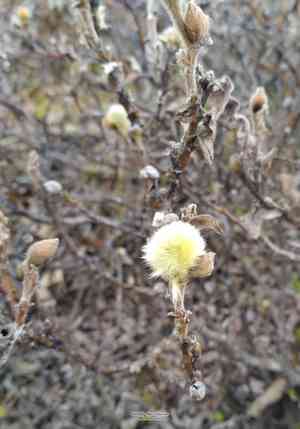
Woolly willow (Salix lanata)
Also known as: Woolly Willow
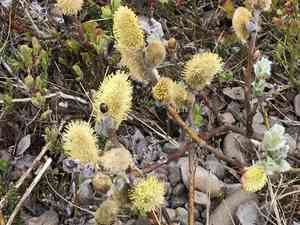
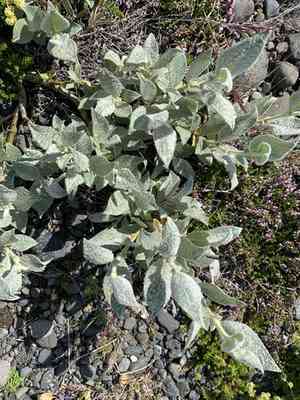
The plant in question is a deciduous shrub or small tree, typically growing 8 to 10 meters tall, and occasionally reaching up to 13 meters. Its leaves are relatively broad, measuring 3 to 12 cm in length and 2 to 8 cm in width, which is wider than many other willow species. In early spring, it produces soft, silky, and silvery catkins that are 3 to 7 cm long, appearing before the new leaves. This species is dioecious, meaning male and female catkins grow on separate plants.
In This Article
Attributes of Woolly willow
Lifespan
Perennial
Plant Type
Shrub
Plant Height
1.5 m
Spread
1.5 m
Leaf Color
Gray Silver
Flower Size
1 to 2 cm
Flower Color
Yellow Gray Silver
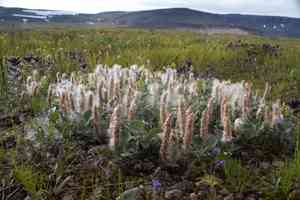
Images of Woolly willow

Quickly Identify Woolly willow
1
Salix lanata can be identified by its woolly, hairy leaves and its small, fluffy catkins. It is a low-growing, shrubby plant with a wide-spreading habit.
Scientific Classification of Woolly willow
Phylum
Vascular plants
Class
Dicotyledons
Order
Malpighiales
Family
Willow
Genus
Willows
Species
Woolly willow
Planting and Growing of Woolly willow
Care Difficulty
Moderate
Watering Schedule
Every 2 days
Sunlight Requirements
Partial sun
Sunshine Duration
6-10 hours
Ideal Temperature
50-68℉
Soil Type
Potting Mix, Peat Mix
Soil pH
6.5-7.5
Fertilizer Type
Balanced
Pruning Season
Spring, Summer
Pruning Area
Branches, Leaves
Pruning Frequency
2 times a year
Repotting Season
Spring
Pot Type
Plastic, Ceramic
 How to Water Woolly willow?
For Salix lanata, each watering session should involve approximately 500 milliliters of water. The principle here is to thoroughly moisten the soil without causing water to stand for extended periods. Ensure the water penetrates deeply to reach the roots while allowing the surface to dry slightly between waterings.
What are the symptoms of an underwatered Woolly willow?
›
What should I do if my Woolly willow is not getting enough water?
›
What are the symptoms of an overwatered Woolly willow?
›
How to save an overwatered Woolly willow?
›
 What Are the Sunlight Requirements for Woolly willow?
Salix lanata thrives in partial sun conditions. Ideal lighting encourages balanced growth, enhances leaf color, and boosts the plant's resilience to environmental stressors.
What is the ideal light range for Salix lanata?
›
How to achieve the ideal lighting condition?
›
What are the benefits of ideal lighting for Salix lanata?
›
 What Is the Ideal Temperature Range for Woolly willow?
Salix lanata, commonly known as the woolly willow, thrives best in temperate environments. Ideally, this plant prefers temperatures ranging from 50 to 68°F. This ensures that the plant's physiological processes, such as photosynthesis and respiration, function optimally. Such conditions mimic those found in its native habitats, allowing for robust growth and development.
 What Soil is Best for Woolly willow?
Salix lanata thrives in soils that offer good drainage. It helps the roots to access necessary oxygen and prevents root rot by ensuring excess water is easily drained away. This condition is paramount for healthy growth and vibrant foliage. Though well-drained, the soil should retain enough moisture to keep the roots hydrated. This balancing act is crucial for promoting optimal growth, especially in dry climates or periods of drought. Rich, nutrient-filled soil is essential for Salix lanata. This provides the plant with the necessary vitamins and minerals, promoting lush foliage and robust plant health without the constant need for fertilizing.
 How to Fertilize Woolly willow?
For Salix lanata, the fertilizer amount should be moderate to ensure healthy growth. Generally, use approximately 1/4 cup of liquid fertilizer per application for mature plants. Avoid excess to prevent root burn. If using a slow-release option, one tablespoon around the base of the plant should suffice.
 How to Prune Woolly willow?
Salix lanata, also known as Woolly Willow, has a natural bushy appearance with a tendency to spread. Prune to maintain its shape and manage its growth, enhancing sunlight penetration and air circulation. Start by cutting back the longest branches to encourage fuller growth. Focus on removing overlapping branches and those growing inward. This allows the plant to maintain its natural grace and promotes vibrant health.
More About Pruning Techniques→
 How to Propagate Woolly willow plant?
1
Start by soaking the seeds of Salix lanata in water for 24 hours to soften their outer coat. This process improves germination rates by facilitating water absorption. Once soaked, plant the seeds in a seed tray with a well-draining potting mix.
2
Select healthy stems from the parent plant and cut them at a 45-degree angle using sharp pruning shears. Ensure each cutting is approximately 10-15 centimeters long. Dip the cut end in rooting hormone to stimulate root growth.
3
In early spring, dig up part of the root system. Select healthy roots and cut them into segments around 5-10 centimeters long. Plant these root sections horizontally in a prepared bed or pot.
 How to Repot Woolly willow plant?
1
One of the clearest signals that your Salix lanata needs repotting is when the roots start spiraling at the pot's base or peek through drainage holes. During Spring and Autumn, the plant is actively growing, making it the perfect time to repot. Additionally, if the soil becomes compacted or water does not drain as effectively, it signals the need for fresh soil.
2
Select a pot that is one size larger than the current one to give roots room to expand. A pot too large can retain excess moisture, leading to root rot. Make sure it has good drainage holes. A slightly larger pot allows for air circulation and better water management, setting a healthier environment for the plant's growth.
3
Opt for a well-draining loam mix to provide the right balance of moisture retention and aeration. This soil type ensures roots are neither too dry nor waterlogged, which is beneficial for Salix lanata’s optimal growth. A well-draining mixture prevents root diseases and supports robust development.
Learn More About Woolly willow Diseases
Anthracnose
Bacterial Leaf Spot
Black Spot
Chemical Injury
Crown Gall
Damping-off
Downy Mildew
Drought Stress
Fire Blight
Fusarium Wilt
Gray Mold
Leaf Curl
Leaf Spot
Mosaic
Nutrient Deficiency
Nutrient Toxicity
Powdery Mildew
Root Rot
Root-knot Nematode
Rusts
Sooty Mold
Spider Mites
Temperature Stress
Thrips Damage
White Mold



