How to Transplant Goodding's willow?
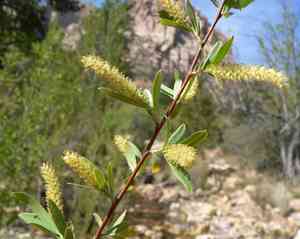
For goodding's willow, the ideal period for relocation spans from the revitalizing phase of early spring to the flourishing days of late spring, allowing roots to settle prior to the summer warmth. Select a sunny, damp spot for peak development. Careful manipulation is crucial to prevent root trauma.
What Preparations are Needed Before Transplanting Goodding's Willow?
What is the Ideal Time for Transplanting Goodding's Willow?
The optimal window for relocating goodding's willow spans from early spring's onset to late spring's peak. This timeframe allows goodding's willow to establish its root system in cooler, damp soil, ensuring a smooth transition and vigorous development. With moderate temperatures and increased rainfall, this period aids goodding's willow's recovery and lessens transplant shock, leading to seamless integration into its new setting. Choosing this nurturing phase enables goodding's willow to strengthen before summer heat, boosting its resilience and vitality.
How Much Space Should You Leave Between Goodding's Willow Plants?
When arranging your goodding's willow plants, aim for a separation of approximately 15-20 feet (4.5-6 meters). This provides ample room for each plant to thrive without competing for essential resources.
What is the Best Soil Mix for Goodding's Willow Transplanting?
Ensure the soil is well-draining. A loamy soil blend is perfect. Before moving, enrich the site with a balanced, slow-release fertilizer to give your goodding's willow an excellent start!
Where Should You Relocate Your Goodding's Willow?
Select a sunny location where your goodding's willow will receive full sun to partial shade. This means a minimum of 6 hours of direct sunlight daily, which is crucial for robust growth and development.
What Equipments Should You Prepare Before Transplantation Goodding's Willow?
Gardening Gloves
To safeguard your hands while handling soil and plants.
Spade or Shovel
To excavate the goodding's willow from its current spot.
Garden Fork
To loosen the earth surrounding the root ball.
Watering Can or Hose
To hydrate the goodding's willow prior to and following transplantation.
Wheelbarrow
To move the goodding's willow to its new position.
Pruning Shears
To trim any damaged roots or excess foliage.
Mulch
To help maintain soil moisture after the transplant.
Measuring Tape
To ensure correct spacing from other plants.
How Do You Remove Goodding's Willow from the Soil?
How Do You Remove Goodding's Willow from the Soil?
From Ground: Thoroughly water the goodding's willow to moisten the soil. Use a spade to dig a wide circle around the plant, ensuring sufficient distance to avoid damaging the root ball. Gently leverage the root ball with the spade or fork to lift the plant.From Pot: Water the goodding's willow, then tilt the pot sideways and gently tap to loosen the plant. Support the stem with one hand and carefully slide the plant out.From Seedling Tray: Water the tray to dampen the soil. Use a spoon or small tool to lift individual goodding's willow seedlings by their leaves, not stems, to prevent harm.
Step-by-Step Guide for Transplanting Goodding's Willow
Preparation
Water the goodding's willow thoroughly beforehand to ensure a hydrated root ball, making it more pliable for extraction.
Digging Out
Use a spade to carefully dig around the goodding's willow, taking care not to harm the root system. A good guideline is to begin digging at the plant's drip line.
Lifting
With the garden fork, loosen the soil beneath the goodding's willow's root ball, then gently lift it from the ground while preserving as much of the root system as possible.
Transporting
Place the goodding's willow's root ball onto the wheelbarrow after ensuring it's free from the ground, and gently move it to the new location.
Preparing New Site
Dig a hole at the new site that is twice as wide as the root ball and of equal depth, allowing the goodding's willow roots to spread easily.
Placing goodding's willow
Carefully position the goodding's willow into the hole, ensuring it is upright and at the same depth it was previously growing.
Filling In
Backfill the hole with native soil, and gently firm it down without compacting, to eliminate air pockets.
Watering
Water the goodding's willow generously to settle the soil around the roots and provide hydration.
Mulching
Apply a layer of mulch around the base of the goodding's willow to conserve moisture and regulate soil temperature.
Pruning
Trim any damaged roots or branches to encourage healthy new growth.
How Do You Care For Goodding's Willow After Transplanting?
Initial Watering
Water the goodding's willow thoroughly after planting and maintain consistent moisture for several weeks, avoiding waterlogging.
Monitoring
Observe the goodding's willow for indications of transplant shock, such as wilting or browning leaves. Gradually reduce watering as the goodding's willow becomes established.
Supporting
Utilize stakes if the goodding's willow is tall or in a windy area to offer additional support as it adapts to its new location.
Pruning
Only remove damaged or dead branches, and refrain from heavy pruning, which can stress the goodding's willow during its early establishment phases.
Mulching
Replenish the mulch layer as needed to continue providing benefits like moisture retention and temperature regulation.
Troubleshooting Common Issues with Goodding's Willow Transplantation.
What's the best time of year to transplant goodding's willow?
The optimal period is between early spring and late spring, offering a gentler transition for goodding's willow.
How far apart should goodding's willow be spaced when transplanting?
For ideal growth, position goodding's willow approximately 15-20 feet (4.5-6 meters) from one another.
What soil conditions favor goodding's willow after transplanting?
Goodding's willow thrives in well-drained, moist soil. Ensure its new location replicates these conditions for best outcomes.
How much should I water goodding's willow after transplanting?
Initially, water goodding's willow deeply to establish roots. Provide consistent moisture but avoid excessive watering that can lead to root rot.
How deep should I dig the hole for transplanting goodding's willow?
Dig a hole twice as wide and equally deep as the root ball, giving goodding's willow ample space to flourish.
Should I prune goodding's willow before or after transplanting, and why?
Lightly prune goodding's willow before transplanting to lessen transplant shock and encourage new growth in its new spot.
What signs indicate goodding's willow is not adapting well post-transplant?
Look for wilting leaves, stunted growth, or discoloration, as these can signal distress in goodding's willow after relocation.
How can I protect goodding's willow from transplant shock?
Gradually acclimate goodding's willow to its new environment, water appropriately, and use root stimulators to minimize transplant shock.
Can goodding's willow be transplanted during summer or fall?
It's not ideal; goodding's willow might encounter harsher conditions. Adhere to the recommended period for healthier transitions.
Is special fertilizer needed when transplanting goodding's willow?
Immediately after transplanting, avoid strong fertilizers. Instead, opt for a balanced, slow-release type to support goodding's willow's root development.



