How to Prune Goodding's willow?
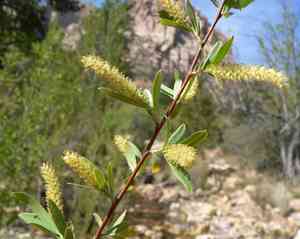
Goodding's willow, a deciduous tree characterized by its robust development and drooping limbs, greatly benefits from regular trimming. The optimal time for this activity is in late winter or early spring, right before the commencement of the growth period. This schedule facilitates the elimination of deceased or compromised branches, fosters an appealing form, and stimulates fresh development. Strategic thinning of the crown enhances light penetration and air movement. Furthermore, pruning assists in managing the size and preserving the general well-being of goodding's willow.
What Are the Benefits of Pruning Goodding's Willow?
What Are the Benefits of Pruning Goodding's Willow?
Trimming goodding's willow is vital for sustaining its vitality and fostering an appealing form. By eliminating lifeless or overgrown limbs, goodding's willow can direct energy towards robust development and uphold an attractive framework that supports the plant's overall well-being.
What Is the Best Time for Pruning Goodding's Willow?
What Is the Best Time for Pruning Goodding's Willow?
Pruning goodding's willow in late winter or early spring is optimal, typically before new growth emerges. This timing allows for a clear view of the plant's structure, unobstructed by leaves. It also minimizes disease risk, as many pathogens are less active in colder weather. Furthermore, pruning before the growing season can stimulate new growth in desired directions and shapes. Trimming during these periods helps ensure quick wound healing without stressing the plant, which can happen during active growth. This is particularly important for goodding's willow to maintain its vigor and health.
What Tools Do I Need to Prune Goodding's Willow?
Hand Pruners
Perfect for severing slender stems and minor branches of goodding's willow. It's essential to use bypass pruners over anvil types, as they create cleaner cuts more conducive to goodding's willow's rapid recovery.
Loppers
Loppers offer increased leverage for branches too thick for hand pruners but not requiring a saw. Their extended handles enable reaching into goodding's willow's dense foliage without harming surrounding growth.
Pruning Saw
A pruning saw is indispensable for the thicker branches of goodding's willow. It facilitates precise, clean cuts on limbs beyond the capacity of hand pruners and loppers.
Pole Pruner
For taller goodding's willow specimens, a pole pruner is crucial for safely accessing and trimming higher branches without needing a ladder.
Hedge Shears
For shaping and maintaining the thick, twiggy growth of goodding's willow, hedge shears are useful, especially for creating a formal hedge or screen.
How to Prune Goodding's Willow
Clean
Sanitize pruning implements to prevent disease transmission when cutting goodding's willow. Use a bleach or alcohol solution to thoroughly clean blades before starting to prune.
Identify
Carefully inspect goodding's willow to locate all dead and diseased branches. Dead branches will appear dry, brittle, and possibly discolored, while diseased branches may show abnormal growth, discoloration, or visible infection signs.
Cut dead
Using sharp pruning shears, make clean cuts to remove dead branches from goodding's willow. Cut at a slight angle, just above a healthy bud, node, or lateral branch to encourage proper healing and new growth.
Cut diseased
For diseased branches of goodding's willow, trim well below the affected area to ensure all diseased tissue is removed. If a branch is extensively diseased, it might be necessary to cut it back to the main trunk. Dispose of diseased material promptly and safely.
Disinfect
After each cut on goodding's willow, especially after removing diseased material, sanitize the tool blades to prevent cross-contamination between cuts. Repeat the sanitization process before pruning another plant.
Common Pruning Mistakes with Goodding's Willow
Overpruning
Removing too much growth at once can stress goodding's willow, leading to poor health or reduced vigor. It may tempt gardeners to shape aggressively, but this mistake can weaken the plant's structure and vitality.
Improper cut locations
Cutting too far from a bud or branch junction can result in unsightly stubs vulnerable to pests and diseases. Conversely, cutting too close to the bud can damage it, hindering new growth on goodding's willow.
Using dull tools
Dull pruning tools can cause jagged cuts that heal poorly and are susceptible to disease. Clean, sharp tools are necessary for making clean cuts that heal quickly and minimize stress on goodding's willow.
Neglecting diseased branches
Failing to identify and remove diseased or damaged wood can allow disease to spread in goodding's willow, affecting the overall health of the plant.
Ignoring plant shape
Pruning without considering the natural form of goodding's willow can result in a less aesthetically pleasing shape and reduce the plant's flowering potential.
Common Pruning Tips for Goodding's Willow
Selective pruning
Encourage healthy growth in goodding's willow by selectively removing dead, damaged, or overcrowded branches, which improves air circulation and light penetration.
Correct angle cuts
Make cuts at a 45-degree angle just above an outward-facing bud to promote outward growth and prevent water accumulation, which could lead to rot or disease in goodding's willow.
Gradual shaping
For shaping goodding's willow, prune gradually over a few seasons. Sudden, drastic changes can shock the plant, whereas gradual shaping respects the plant's growth patterns and maintains its health.
Cleaning tools
Before and after pruning goodding's willow, clean and sterilize tools to prevent the spread of disease. This practice is crucial for maintaining the health of the plant.
Thinning for health
Thin out some of the inner branches of goodding's willow if dense. This will increase airflow and light penetration, helping to prevent disease and promote stronger growth and flowering.



