How to Transplant Sharp-leaved willow?
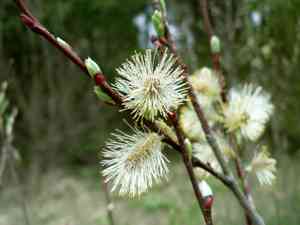
For sharp-leaved willow, the ideal period for relocation is from the mildness of late spring through early summer, facilitating successful establishment. Select a bright spot featuring damp, adequately draining earth. Prevent root disturbance to ensure a smooth integration.
What Preparations are Needed Before Transplanting Sharp-leaved Willow?
What is the Ideal Time for Transplanting Sharp-leaved Willow?
Choose the revitalizing period from 'after the thaw to before the summer rush' to move sharp-leaved willow. This timeframe provides mild weather, allowing roots to settle without extreme climatic stress. Utilizing this window helps sharp-leaved willow establish a strong base, fostering vigorous development due to the ample growing season ahead. A helpful hint: this timing aligns with nature's growth signals, synchronizing your gardening efforts with sharp-leaved willow's natural cycle for optimal outcomes!
How Much Space Should You Leave Between Sharp-leaved Willow Plants?
When getting ready to rehome your sharp-leaved willow, begin by providing each ample room. Aim to space them 3-4 meters (approximately 10-13 feet) apart. This will ensure they have sufficient area to grow large and robust without competing for nutrients or sunlight.
What is the Best Soil Mix for Sharp-leaved Willow Transplanting?
Your sharp-leaved willow will flourish in soil that drains well. Incorporate some leaf mold or garden compost to enrich it â a shovel full should suffice. Before planting, slightly moisten the soil so it's damp but not waterlogged, creating an inviting bed for your sharp-leaved willow's roots.
Where Should You Relocate Your Sharp-leaved Willow?
Selecting a sunny location is crucial for your sharp-leaved willow's well-being! Seek an area that receives full sunlight for most of the day. If your yard has partial shade, don't worry - your sharp-leaved willow can tolerate some light shade as well.
What Equipments Should You Prepare Before Transplantation Sharp-leaved Willow?
Shovel or Spade
For digging around and lifting the sharp-leaved willow from its original spot.
Garden Fork
To loosen the earth surrounding the plant's root system.
Pruning Shears
To trim any damaged or excessively long roots prior to transplanting.
Wheelbarrow or Garden Cart
To safely move the sharp-leaved willow from one place to another.
Watering Can or Hose
To hydrate the sharp-leaved willow before and after removing it from the ground and to keep the soil moist in its new location.
Gardening Gloves
To protect your hands while handling soil and the plant.
How Do You Remove Sharp-leaved Willow from the Soil?
How Do You Remove Sharp-leaved Willow from the Soil?
From Ground: Water the sharp-leaved willow thoroughly to moisten the soil, which helps minimize root damage during extraction. With a shovel or spade, carefully dig a circular trench around the sharp-leaved willow, maintaining enough distance from the trunk to avoid cutting into the root ball. Push the spade deep and use it to gently lift the root ball from the ground.From Pot: Start by watering the sharp-leaved willow to make the soil easier to manage. Turn the pot on its side, tap the bottom, and gently slide the sharp-leaved willow out. If the plant is root-bound, carefully loosen the roots to encourage them to spread in the new location.From Seedling Tray: Water the seedlings to ensure the soil remains cohesive. Use a spoon or a small tool to gently lift each individual sharp-leaved willow seedling, taking care to keep as much of the root system and surrounding soil intact as possible.
Step-by-Step Guide for Transplanting Sharp-leaved Willow
Preparation
Prepare the new planting hole for your sharp-leaved willow before removing it from its initial spot, ensuring it's twice the width of the root ball and equally deep.
Root Pruning
Inspect the sharp-leaved willow's roots and use your pruning shears to cut away any damaged or overly long roots to promote healthy growth.
Plant Removal
Carefully extract the sharp-leaved willow from its previous location, following the outlined removal process for ground, pot, or seedling tray scenarios.
Transplanting
Place the sharp-leaved willow into the pre-dug hole, making sure the root ball is level with the surrounding soil surface. Fill in around the root ball with soil, gently firming to eliminate air pockets.
Watering
Water the sharp-leaved willow thoroughly after transplanting to settle the soil around the roots and help reduce transplant shock.
How Do You Care For Sharp-leaved Willow After Transplanting?
Monitoring
Observe the sharp-leaved willow daily for any indications of stress, such as wilting or discolored leaves, which might suggest that care adjustments are necessary.
Watering
Maintain consistent soil moisture around the sharp-leaved willow, especially during the initial weeks, without overwatering, which could lead to root rot.
Mulching
Apply a layer of mulch around the base of sharp-leaved willow to help retain soil moisture and regulate soil temperature.
Pruning
Prune only the damaged or dead branches to encourage new growth and help the sharp-leaved willow focus its energy on establishing its root system.
Supports
If the sharp-leaved willow is tall or exposed to strong winds, consider staking it to provide support until the roots are strong enough to anchor the plant.
Troubleshooting Common Issues with Sharp-leaved Willow Transplantation.
When's the best time to transplant sharp-leaved willow for optimal growth?
Move sharp-leaved willow during late spring or as summer begins for the best outcomes.
How much space does sharp-leaved willow need when transplanting?
Ensure a generous spacing of 9.8-13 feet (3-4 meters) between sharp-leaved willow specimens to encourage healthy development.
What could cause sharp-leaved willow to wilt after transplanting?
Wilting post-transplant might be due to insufficient watering, root damage, or shock. Gradually acclimatize sharp-leaved willow to its new environment.
How deep should I dig to transplant sharp-leaved willow?
Dig a hole as deep as the root ball and twice as wide to allow for growth.
Can sharp-leaved willow be transplanted on a hot, sunny day?
Transplant sharp-leaved willow on a cloudy day or during the cooler part of the day to minimize stress.
Why are my sharp-leaved willow's leaves turning yellow after transplanting?
Yellow leaves could indicate excessive watering, poor drainage, or a nutrient deficiency. Closely monitor watering and soil conditions.
Should I prune sharp-leaved willow before transplanting?
Light pruning can help reduce transplant shock by balancing root loss, but avoid heavy pruning.
How can I tell if my transplanted sharp-leaved willow is establishing well?
Signs of successful establishment include new growth, healthy green leaves, and stability without staking.
Do I need to amend the soil when transplanting sharp-leaved willow?
Yes, enriching soil with compost can improve fertility and drainage, crucial for sharp-leaved willow's growth.
How often should I water sharp-leaved willow after transplanting?
Water sharp-leaved willow regularly to keep the soil moist but not waterlogged, reducing frequency as it establishes.



