How to Prune Sharp-leaved willow?
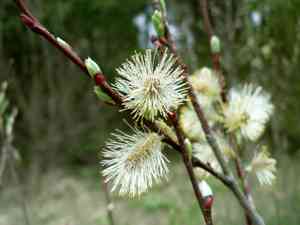
This leaf-shedding bush, recognized for its extended foliage and robust development, flourishes close to aquatic environments. Successful trimming entails reducing crowded branches and eliminating any lifeless or ailing timber to foster air movement and fresh shoots. Severing older stalks can also encourage a denser structure. The most suitable time for pruning is in late winter or early spring prior to the emergence of new vegetation. Consistent trimming boosts the sharp-leaved willow's health, prevents excessive expansion, and preserves a preferred silhouette.
What Are the Benefits of Pruning Sharp-leaved Willow?
What Are the Benefits of Pruning Sharp-leaved Willow?
Trimming sharp-leaved willow encourages robust development by eliminating old or damaged limbs. It also preserves the desired form, leading to a healthier and more attractive plant.
What Is the Best Time for Pruning Sharp-leaved Willow?
What Is the Best Time for Pruning Sharp-leaved Willow?
Trimming sharp-leaved willow during late winter and early spring is considered ideal because this is the period just before new growth starts. Pruning at this time ensures that wounds heal quickly without stressing the plant, as the plant's energy is focused on producing new growth in the upcoming season. This timing also avoids cutting off the upcoming season's growth, which includes flowers and, subsequently, potential fruit or seed production. Additionally, the absence of leaves provides better visibility of the plant's structure, allowing for a more strategic approach to pruning. Avoiding pruning during the active growth phase in late spring and summer helps to maintain the health and vigor of sharp-leaved willow, as pruning during this period can deplete energy reserves and potentially expose the plant to diseases and pests.
What Tools Do I Need to Prune Sharp-leaved Willow?
Hand Pruners
For snipping thin stems and branches, hand pruners are perfect due to their precision and ease of use. Opt for bypass pruners as they create cleaner cuts, which are less harmful to sharp-leaved willow's health.
Loppers
When dealing with branches of moderate thickness, typically up to two inches in diameter, loppers are the most effective tool. The longer handles provide leverage and allow access into sharp-leaved willow's denser areas without causing unnecessary harm.
Pruning Saw
For the thicker branches of sharp-leaved willow that exceed the capacity of hand pruners and loppers, a pruning saw with fine teeth can make smooth cuts without tearing the bark, thus promoting better healing.
Pole Pruner
Considering the potential height and reach of sharp-leaved willow, a pole pruner will be essential for accessing higher branches safely from the ground.
Shears
Sharp-leaved willow's thinner twigs and shoots can be shaped or thinned out with shears. This will be especially beneficial when clipping numerous soft growths for a clean and healthy plant structure.
Gloves and Protective Gear
Always wear gloves and appropriate protective gear to prevent injury from sharp-leaved willow's sharp leaves and branches during pruning activities.
How to Prune Sharp-leaved Willow
Clean Tools
Sanitize pruning shears and any other cutting tools before starting to prevent the spread of disease to or from sharp-leaved willow.
Identify
Inspect sharp-leaved willow closely to locate all dead and diseased branches. Look for branches with discoloration, dryness, or other signs of deterioration.
Access
Cut away any smaller branches and foliage that obstruct access to dead and diseased branches of sharp-leaved willow using bypass pruners, ensuring clean cuts to facilitate quick healing.
Remove Dead
Prune dead branches on sharp-leaved willow by making cuts at a slight angle just above a healthy bud, branch union, or lateral branch to promote healthy regrowth and prevent water accumulation on the cut surface.
Remove Diseased
Carefully remove diseased branches from sharp-leaved willow, cutting well below the diseased area. Disinfect tools after each cut to prevent spreading pathogens to healthy parts of the plant.
Common Pruning Mistakes with Sharp-leaved Willow
Over-Pruning
Removing too much growth at once can harm sharp-leaved willow, leading to a weakened structure and potentially reduced vitality.
Improper Cut Placement
Cutting too close to the main stem or leaving large stubs can result in uneven growth, disease, and pests attacking the plant.
Not Using Clean Tools
Pruning with dirty tools can introduce pathogens to sharp-leaved willow, causing infections that can hamper health and growth.
Ignoring Branch Angle
Cutting without considering the branch angle can result in water collecting in crevices, fostering rot and disease.
Neglecting Deadwood Removal
Failing to remove dead or diseased branches can impede sharp-leaved willow's overall health and leave it vulnerable to further decline.
Common Pruning Tips for Sharp-leaved Willow
Assess Before Cutting
Before pruning, evaluate the overall shape and health of sharp-leaved willow to ensure cuts will enhance growth and structure.
Use Correct Technique
Make clean, angled cuts above a leaf node or bud to encourage new growth in the desired direction.
Sterilize Tools
Regularly disinfect pruning shears and saws before and after use to prevent the spread of disease among sharp-leaved willow specimens.
Prune For Shape
Maintain the natural form of sharp-leaved willow by selectively thinning out crowded areas to improve air circulation and light penetration.
Healing Considerations
Make all cuts with the plant's healing in mind, ensuring that cuts are smooth and at angles that shed water away from the wound.



