How to Propagate Sharp-leaved willow?
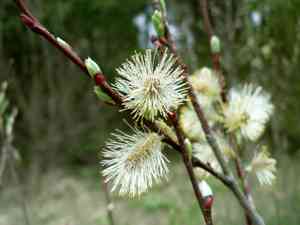
Hailing from vigorous natural settings, sharp-leaved willow flourishes in surroundings that mimic its indigenous environment. For reproduction, cuttings are the preferred technique, demonstrating dependable growth and successful establishment. Cultivators ought to choose robust branches, ideally those that are youthful and display energetic development. Sever these branches just beneath a joint, ensuring a length that offers ample space for root development – a crucial element for successful maturation. Applying rooting stimulant can boost rooting capability, though it isn't essential. Immerse the lower part of the cuttings in damp, well-aerated substrate, maintaining a consistent environment to foster ideal rooting. With proper attention, these cuttings will rapidly thrive, presenting a genuine representation of sharp-leaved willow's inherent hardiness. Beginners will discover the procedure gratifying, with perseverance being the main requirement for cultivating this resilient species.
Optimal Period for Sharp-leaved Willow Propagation
Propagation Type
Cutting
Propagation Season
Fall,Winter
Tools for Sharp-leaved Willow Propagation
Sharp Pruning Shears
Sharp pruning shears are vital for taking cuttings from sharp-leaved willow. These instruments allow for precise, clean cuts, which helps prevent disease and damage to both the parent plant and the cuttings. The sharpness of the shears ensures the cuttings have a healthy start, crucial for successful rooting.
Rooting Hormone
Rooting hormone encourages root growth on sharp-leaved willow cuttings, increasing the likelihood of successful propagation. It aids in stimulating root development at the cut site, enhancing the overall growth rate and health of the new plants. This aid is especially beneficial for hardwood cuttings, which might otherwise take longer to root.
Potting Mix
A well-draining, nutrient-rich potting mix offers the necessary environment for sharp-leaved willow cuttings to root and flourish. The blend should facilitate proper aeration and moisture retention, critical for the delicate phase of root establishment. Optimal soil conditions prevent rot and support robust new growth.
Propagation Trays
Propagation trays are utilized to organize and nurture multiple sharp-leaved willow cuttings in a controlled setting. These trays help maintain consistent moisture levels and, when covered, can create a greenhouse-like effect that boosts humidity – beneficial for cutting survival and rooting.
Misting Bottle
A misting bottle is employed to gently hydrate sharp-leaved willow cuttings, ensuring they remain moist without becoming oversaturated. Frequent misting helps maintain ideal humidity around the cuttings, essential for encouraging root development while preventing desiccation or waterlogging.
How to Propagate Sharp-leaved Willow?
Propagation Type
Moderately Difficult
Caring for Your Newly Propagated Sharp-leaved Willow
Caring for Your Newly Propagated Sharp-leaved Willow?
Once established, sharp-leaved willow will require ongoing care to thrive. Keep the soil consistently moist and ensure the area is not prone to drying out. Prune annually to encourage healthy branching and prevent overcrowding. In case of pests or diseases, treat promptly with appropriate organic or chemical controls as recommended for willows.
Common Errors to Avoid When Propagating Sharp-leaved Willow
Insufficient hydration
Failure to provide adequate water after placing cuttings can cause the delicate sharp-leaved willow cuttings to dry out, impeding root development.
Deep planting
Inserting sharp-leaved willow cuttings too deeply into the substrate can reduce oxygen availability, potentially leading to decay.
Excessive humidity
Maintaining a very high humidity environment without proper airflow can promote mold growth on sharp-leaved willow, impacting its health.
Using non-sterile tools
Propagation with contaminated tools can introduce diseases to sharp-leaved willow cuttings, compromising their ability to establish.
Tips For Propagating Sharp-leaved Willow
Proper cutting selection
Choose healthy, young stems from sharp-leaved willow for cuttings, as they have higher rooting potential and vigor.
Adequate cutting length
Provide cuttings of sharp-leaved willow that are the right size (usually 4-6 inches), promoting better root initiation and stability.
Use rooting hormone
Applying a rooting hormone to sharp-leaved willow cuttings can enhance root development for a more successful propagation.
Balanced moisture levels
Maintain moist but not waterlogged soil to support the rooting process of sharp-leaved willow without causing decay.



