How to Transplant Threeleaf arrowhead?
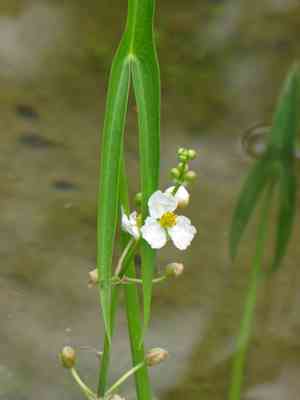
For threeleaf arrowhead, relocation is most successful from late spring into early summer, leveraging peak growth phases. Provide a consistently damp area, with exposure ranging from partial to full sunlight, and carefully settle the root system in its new environment for maximum vitality.
What Preparations are Needed Before Transplanting Threeleaf Arrowhead?
What is the Ideal Time for Transplanting Threeleaf Arrowhead?
The best time to move threeleaf arrowhead is from the refreshing warmth of late spring through the bright, sunny days of mid-summer. Placing threeleaf arrowhead in your garden during this period ensures it benefits from the peak growing season, utilizing the long days full of sunlight and the mild weather that promotes root establishment and lessens transplant shock. This timing allows for a smooth transition as the supportive climate encourages strong growth, preparing threeleaf arrowhead to flourish. Take advantage of this season to enhance your garden with threeleaf arrowhead's charm, as the gentle conditions work together to support its fresh start in a new home.
How Much Space Should You Leave Between Threeleaf Arrowhead Plants?
When arranging your lovely threeleaf arrowhead, aim for approximately 6-12 inches (15-30 cm) apart. This provides each plant ample room to thrive and prevents competition for nutrients. Proper spacing for your threeleaf arrowhead ensures they grow beautifully!
What is the Best Soil Mix for Threeleaf Arrowhead Transplanting?
Your threeleaf arrowhead will flourish in damp, well-draining soil. Before transplanting, enrich the soil with a balanced, slow-release fertilizer. A suitable mix, such as a 10-10-10 NPK, is perfect for your threeleaf arrowhead to develop strong roots.
Where Should You Relocate Your Threeleaf Arrowhead?
Choose a location where your threeleaf arrowhead will receive full to partial sunlight. This means about 6 hours of direct sun daily. A brightly lit spot will provide your threeleaf arrowhead with just the right amount of light to grow vibrant and healthy.
What Equipments Should You Prepare Before Transplantation Threeleaf Arrowhead?
Gardening Gloves
To safeguard your hands while handling soil and plants.
Spade or Shovel
To excavate the threeleaf arrowhead without harming its roots.
Garden Fork
To loosen the soil and assist in lifting the plant if necessary.
Watering Can or Hose
To hydrate the threeleaf arrowhead both prior to and following transplantation.
Wheelbarrow or Garden Cart
To move the threeleaf arrowhead from its original spot to the new location.
Pruning Shears
To trim any dead or excess growth before relocating.
Mulch
To help retain soil moisture and control weeds after transplant.
How Do You Remove Threeleaf Arrowhead from the Soil?
How Do You Remove Threeleaf Arrowhead from the Soil?
From Ground: First, water the threeleaf arrowhead to moisten the soil. Use a spade or shovel to carefully dig a wide circle around the plant, ensuring you do not harm the root ball. Gradually work the shovel under the root ball and gently lift the threeleaf arrowhead from the soil.From Pot: Water the threeleaf arrowhead thoroughly. Turn the pot on its side and gently tap it to loosen the soil. Grasp the base of the plant and carefully remove it from the pot, being sure to support the root ball.From Seedling Tray: Water the seedling to make the soil damp. Use a garden fork or spoon to carefully lift the seedling, making sure to keep the root ball intact. Support the root system to prevent any damage during removal.
Step-by-Step Guide for Transplanting Threeleaf Arrowhead
Prepare the New Site
Select the new location, ensuring ample space for threeleaf arrowhead without overcrowding. Loosen the soil with a garden fork to provide a welcoming environment for the roots to spread.
Dig a Hole
Create a hole large enough to accommodate the root ball of the threeleaf arrowhead. The depth should match the original growing depth to prevent stress on the plant.
Plant Positioning
Place the threeleaf arrowhead in the center of the hole. Gently spread the roots and ensure the plant is upright and at the correct depth.
Backfill the Hole
Carefully fill in the hole with soil, firming it around the roots to eliminate air pockets. Be careful not to bury the plant too deep or leave the root crown above the soil surface.
Initial Watering
Water the threeleaf arrowhead thoroughly after planting to settle the soil and aid recovery from transplant shock. Ensure the water penetrates deeply to reach the root zone.
Apply Mulch
Spread a layer of mulch around the base of the threeleaf arrowhead to conserve moisture, regulate soil temperature, and suppress weeds. Keep the mulch away from the plant's stem to avoid rot.
How Do You Care For Threeleaf Arrowhead After Transplanting?
Monitoring
Observe the threeleaf arrowhead for indications of stress such as wilting or leaf discoloration. Adjust care as needed to aid its recovery.
Adjust Watering
Ensure the threeleaf arrowhead receives sufficient water to keep the soil moist until it is well established. Reduce watering frequency as the plant adapts to its new location.
Stabilizing
If the threeleaf arrowhead appears unstable, gently stake it to provide support until it grows strong enough to stand on its own.
Pruning
Trim off any damaged or dead foliage to encourage new, healthy growth and to maintain its shape.
Inspect for Pests
Regularly check your threeleaf arrowhead for pests or diseases and act promptly to prevent any spread or severe damage.
Troubleshooting Common Issues with Threeleaf Arrowhead Transplantation.
What's the best time to transplant threeleaf arrowhead?
The optimal period to relocate threeleaf arrowhead is during the milder conditions of late spring to mid-summer.
How far apart should I space threeleaf arrowhead when transplanting?
Plant threeleaf arrowhead approximately 6 to 12 inches (15-30 cm) apart to ensure they have ample room to grow.
Can I transplant threeleaf arrowhead on a hot day?
Transplant threeleaf arrowhead on cooler, overcast days to prevent shock and excessive moisture loss from the foliage.
What size should the transplant hole be for threeleaf arrowhead?
Dig a hole twice as wide as the root ball and of the same depth to allow roots to spread.
Should I fertilize threeleaf arrowhead immediately after transplanting?
Wait 2-4 weeks post-transplant before fertilizing to allow threeleaf arrowhead to settle without burning the roots.
How much water does threeleaf arrowhead need after transplanting?
Immediately saturate the root zone of threeleaf arrowhead once transplanted, and maintain consistent moisture thereafter.
What are common signs of transplant shock in threeleaf arrowhead?
Wilting, yellowing leaves, and stunted growth are common symptoms of transplant shock in threeleaf arrowhead.
Is it necessary to prune threeleaf arrowhead when transplanting?
Light pruning can help reduce stress on threeleaf arrowhead's roots by balancing top and bottom growth.
How do I protect threeleaf arrowhead from pests after transplanting?
Keep the area free of debris, and monitor regularly for early signs of pest infestation.
Why are my threeleaf arrowhead's leaves turning brown after transplanting?
Browning usually indicates drying out or root damage. Ensure proper watering and that the roots were not disturbed too much during transplanting.



