The Threeleaf arrowhead Plant Advantage: Maximizing Home and Office Appeal and Wellness
1
The tubers of the threeleaf arrowhead are edible and offer significant nutritional value.
2
This plant frequently aids in water purification by absorbing contaminants.
3
Threeleaf arrowhead offers crucial living space for diverse aquatic animal life.
What are the Nutritional Benefits of Threeleaf arrowhead?
Rich Source of Carbohydrates
Threeleaf arrowhead tubers are highly nourishing and abundant in carbohydrates, making them an excellent energy source. They are similar to potatoes in terms of culinary applications and nutritional content, providing a versatile ingredient for various dishes.
Vitamins and Minerals
The tubers of Threeleaf arrowhead are also packed with vital vitamins and minerals, including vitamin C, potassium, and magnesium. These nutrients are crucial for maintaining overall health, supporting functions such as immune response, muscle function, and cardiovascular well-being.
How Does Threeleaf arrowhead Contribute to Environmental Health?
Water Purification
Threeleaf arrowhead possesses the remarkable capacity to absorb and filter out impurities from water. Its presence in wetland areas aids in reducing pollution and enhancing water quality, making it an essential plant for ecosystem management.
Erosion Control
The dense root systems of Threeleaf arrowhead help stabilize the soil and prevent erosion. This characteristic is particularly advantageous in wetland restoration projects where soil preservation is critical.
What Role Does Threeleaf arrowhead Play in Supporting Wildlife?
Habitat Provision
Threeleaf arrowhead serves as a crucial habitat for various aquatic species. Its thick foliage offers shelter and breeding grounds for fish, amphibians, and insects, maintaining biodiversity in aquatic ecosystems.
Food Source for Animals
Wildlife, including birds and small mammals, often depend on the tubers and seeds of Threeleaf arrowhead as a food source. This relationship highlights the plant's integral role in the food web of its natural environment.
What are the Agricultural and Horticultural Uses of Threeleaf arrowhead?
Cultivation for Food
Farmers cultivate Threeleaf arrowhead for its edible tubers, which can be cooked, dried, or ground into flour. Its adaptability to diverse environmental conditions makes it a dependable crop in various regions.
Ornamental Planting
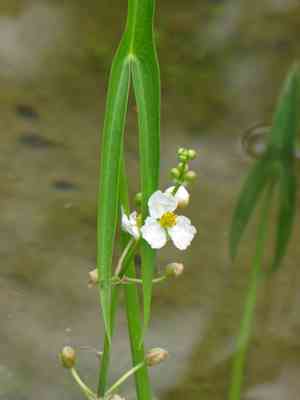
Gardeners often incorporate Threeleaf arrowhead into water gardens and ponds for its aesthetic appeal. Its arrow-shaped leaves and white flowers add visual interest to aquatic landscapes.
How Can You Grow Threeleaf arrowhead in Your Garden?
Ideal Growing Conditions
Threeleaf arrowhead thrives in wet, marshy environments with ample sunlight. It can be planted in shallow waters or along the edges of ponds, where the soil remains consistently moist.
Maintenance Tips
Maintaining Threeleaf arrowhead involves regular monitoring of water levels and ensuring that the plant is not overtaken by invasive species. Occasional thinning may be necessary to prevent overcrowding.
What are Some Interesting Historical and Cultural Aspects of Threeleaf arrowhead?
Traditional Uses
Historically, indigenous communities have harvested Threeleaf arrowhead for its edible tubers, utilizing various cooking methods to incorporate it into their diets. The plant has also been used in traditional ceremonies and medicinal practices.
Cultural Significance
In certain cultures, Threeleaf arrowhead is revered not only for its practical uses but also for its symbolic representation of resilience and adaptability. This cultural reverence adds another layer of importance to the plant.



