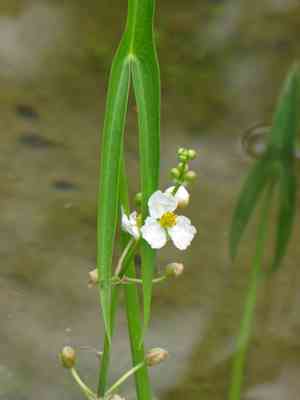
Threeleaf arrowhead (Sagittaria trifolia)
Also known as: Sagittaria trifoliasubsp
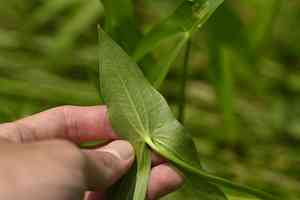
The leaves are arrowhead-shaped, and the tuber tends to be larger than that of the original Omodaka.
In This Article
Attributes of Threeleaf arrowhead
Lifespan
Perennial
Plant Type
Herb
Plant Height
1 m
Spread
Not applicable
Leaf Color
Green
Flower Size
1 cm to 2 cm
Flower Color
White Yellow Red
Images of Threeleaf arrowhead

Quickly Identify Threeleaf arrowhead
1
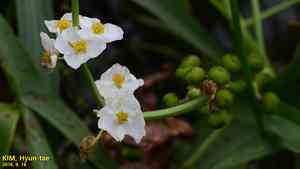
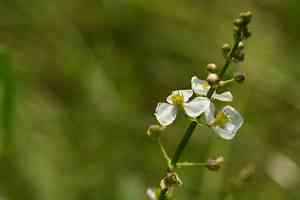
Sagittaria trifolia can be identified by its distinct arrowhead-shaped leaves. The plant produces white flowers with three petals that appear above the water surface. The leaves are typically long and narrow.
Scientific Classification of Threeleaf arrowhead
Phylum
Vascular plants
Class
Monocotyledons
Order
Alismatales
Family
Water-plantain
Genus
Arrowheads
Species
Threeleaf arrowhead
Planting and Growing of Threeleaf arrowhead
Care Difficulty
Easy
Watering Schedule
Every 8 days
Sunlight Requirements
Partial sun
Sunshine Duration
4-8 hours
Ideal Temperature
68-77℉
Soil Type
Potting Mix, Peat Mix
Soil pH
6.5-7.5
Fertilizer Type
Balanced
Pruning Season
Spring, Summer
Pruning Area
Branches, Leaves
Pruning Frequency
2 times a year
Repotting Season
Spring
Pot Type
Plastic, Ceramic
 How to Water Threeleaf arrowhead?
Sagittaria trifolia thrives in moist environments, akin to its natural habitat in wetlands. Each watering session should ensure the soil is thoroughly moist but not waterlogged. Approximately 500 milliliters is ideal for ensuring the soil retains ample moisture without oversaturating.
What are the symptoms of an underwatered Threeleaf arrowhead?
›
What should I do if my Threeleaf arrowhead is not getting enough water?
›
What are the symptoms of an overwatered Threeleaf arrowhead?
›
How to save an overwatered Threeleaf arrowhead?
›
 What Are the Sunlight Requirements for Threeleaf arrowhead?
Partial to full sun exposure daily ensures vibrant growth and robust health in Sagittaria trifolia, facilitating optimal photosynthesis and energy production.
Optimal Light for Growth
›
Adjusting to Seasonal Changes
›
Using Artificial Lighting
›
 What Is the Ideal Temperature Range for Threeleaf arrowhead?
The ideal temperature range for growing Sagittaria trifolia is between 68°F and 77°F. These temperatures create a conducive environment for optimum growth and leaf development. Temperatures within this range allow for balanced evaporation and nutrient uptake from the soil, enhancing the overall health of the plant.
 What Soil is Best for Threeleaf arrowhead?
Sagittaria trifolia thrives in soils that retain moisture well. The presence of loam and peat ensures that the roots have constant access to water, which is crucial for its growth and prevents the plant from drying out. This plant prefers a nutrient-rich substrate that supports its vigorous growth. Sandy loam often contains the needed organic matter and minerals, which contribute to the plant's healthy foliage and flower production. Proper soil aeration is vital for Sagittaria trifolia, as it prevents root rot and promotes healthy root development. Loam's structure balances moisture retention with excellent aeration, enhancing plant health.
 How to Fertilize Threeleaf arrowhead?
For Sagittaria trifolia, it's important to provide a balanced amount of nutrients without overdoing it. Generally, 1 tablespoon of liquid fertilizer per gallon of water is sufficient for this aquatic plant. When using slow-release granules, apply a thin layer - around 1 ounce per square foot - being careful not to cover the base of the foliage too densely.
 How to Prune Threeleaf arrowhead?
Begin by identifying and cutting back any dead or damaged leaves. Use sharp, sterilized scissors to make clean cuts at the base of the leaf stem. Focus on removing leaves that appear yellow, brown, or withered to promote healthy growth. To maintain its natural shape, trim back any excessively long stems or leaves. This not only improves the appearance of the plant but also ensures that sunlight and air circulation reach the entire plant, promoting even growth.
More About Pruning Techniques→
 How to Propagate Threeleaf arrowhead plant?
1
Collect ripe seeds from mature Sagittaria trifolia plants. Clean and dry them before sowing. Use seed trays filled with moist soil to sow the seeds evenly, and cover them lightly with soil.
2
Choose a healthy, mature plant for division in spring. Dig up the plant carefully, preserving as much of the root system as possible. Use a sharp knife to separate the rhizomes into smaller sections.
3
Plant divisions into prepared beds or pots with moist, fertile soil. Water them well and keep the soil consistently moist. Provide partial sunlight for initial growth.
 How to Repot Threeleaf arrowhead plant?
1
You should consider repotting Sagittaria trifolia when you notice roots growing out of the drainage holes or when the plant's growth significantly stagnates despite optimal care. Another signal for repotting is when the current potting mix dries out faster than usual, indicating a need for a pot with more soil to hold moisture.
2
Select a pot that is one size larger than the current one, with ample drainage holes to prevent waterlogging, which can cause root rot. A slightly larger pot ensures the plant has adequate space for growth while managing moisture levels effectively. Additionally, opting for a pot material like ceramic or plastic helps in regulating the temperature and moisture better than metal or glass pots, contributing to healthier plant life.
3
For Sagittaria trifolia, the ideal soil is a loamy, well-draining mixture that mimics its natural habitat. A mix of garden soil, sand, and organic compost works exceptionally well, providing nutrients while ensuring excess water drains away, preventing root rot.
Learn More About Threeleaf arrowhead Diseases
Anthracnose
Bacterial Leaf Spot
Bacterial Soft Rot
Bacterial Wilt
Damping-off
Downy Mildew
Drought Stress
Fusarium Wilt
Gray Mold
Leaf Spot
Mosaic
Nutrient Deficiency
Nutrient Toxicity
Powdery Mildew
Root Rot
Root-knot Nematode
Rusts
Sooty Mold
Spider Mites
Temperature Stress
Thrips Damage
White Mold



