How to Transplant Arum-leaf arrowhead?
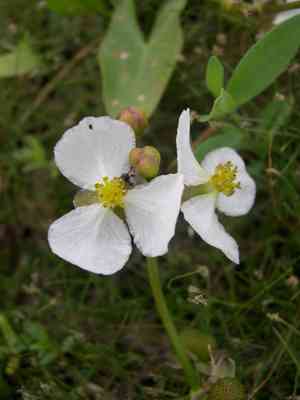
The optimal period for transplanting arum-leaf arrowhead spans from late spring to early summer, facilitating robust root development. Select a location bathed in sunlight with damp earth. Carefully position arum-leaf arrowhead in its fresh setting, encouraging a smooth adaptation.
What Preparations are Needed Before Transplanting Arum-leaf Arrowhead?
What is the Ideal Time for Transplanting Arum-leaf Arrowhead?
For arum-leaf arrowhead, the optimal transplanting period occurs after the last frost and when warmer temperatures encourage growth. This timeframe, typically spanning from early spring's awakening to summer's peak, ensures the soil is adequately warm and receptive, allowing arum-leaf arrowhead roots to successfully re-establish. Relocating your arum-leaf arrowhead during this window maximizes root development prior to intense summer heat, promoting a strong start. Additionally, increasing daylight and mild temperatures collectively benefit arum-leaf arrowhead, fostering robust recovery and vigorous growth. It's the perfect moment to provide arum-leaf arrowhead with a fresh, thriving location!
How Much Space Should You Leave Between Arum-leaf Arrowhead Plants?
Hello, gardening enthusiast! When preparing to transplant your arum-leaf arrowhead, it's important to provide each plant with ample personal space. Aim for a separation of approximately 6-12 inches (15-30 cm). This spacing allows your arum-leaf arrowheads to flourish without becoming overly crowded.
What is the Best Soil Mix for Arum-leaf Arrowhead Transplanting?
Before your arum-leaf arrowheads can settle in, they will thrive in a bed of fertile, well-draining soil. Consider incorporating some aged compost or a balanced slow-release granular fertilizer to give them the best possible start. It's like a comforting embrace for their root systems!
Where Should You Relocate Your Arum-leaf Arrowhead?
Your arum-leaf arrowheads adore sunlight, so select a bright location where they can receive at least 6 hours of direct sun daily. Partial shade is also acceptable, but ensure it remains well-lit! They will reward you with vigorous growth and abundant beauty.
What Equipments Should You Prepare Before Transplantation Arum-leaf Arrowhead?
Gardening Gloves
To safeguard your hands while handling soil and plants.
Spade or Shovel
To carefully extract the arum-leaf arrowhead from the ground or container without damaging its roots.
Pruning Shears
To trim any dead or excess foliage before relocation.
Watering Can or Hose with a Gentle Spray Setting
To hydrate the arum-leaf arrowhead both before and after its move.
Wheelbarrow or Garden Cart
To transport the arum-leaf arrowhead and soil, especially for larger specimens.
Gardening Trowel
For precise soil handling and digging smaller holes during transplanting.
How Do You Remove Arum-leaf Arrowhead from the Soil?
How Do You Remove Arum-leaf Arrowhead from the Soil?
From Ground: Hydrate the arum-leaf arrowhead to moisten the soil. Dig a wide perimeter around the plant using a spade, being careful not to sever any crucial roots. Gently work the spade beneath the root ball to lift the arum-leaf arrowhead from its original spot.From Pot: First, water the arum-leaf arrowhead to make the soil more pliable. Turn the pot on its side and gently tap the bottom and sides to loosen the plant. Carefully slide the arum-leaf arrowhead out, supporting the root ball with your hand.From Seedling Tray: Gently water the arum-leaf arrowhead. Use a gardening trowel or your fingers to carefully extract the seedling from the tray, taking care not to harm the delicate roots.
Step-by-Step Guide for Transplanting Arum-leaf Arrowhead
Prep Work
Ensure the new site is ready before removing the arum-leaf arrowhead, to minimize root exposure time.
Transplant Hole
Excavate a hole at the new location that is twice the root ball's width and similar in depth for easy placement and root expansion.
Root Care
Inspect the root ball, trimming any dead roots and gently separating circling roots to encourage outward growth.
Positioning
Place the arum-leaf arrowhead into the hole at its previous depth, ensuring it is upright and centered.
Backfilling
Refill the hole with soil, gently but firmly compacting it around the root ball to eliminate air pockets.
Watering In
Thoroughly water the arum-leaf arrowhead after planting to moisten the roots and help settle the soil.
Mulching
Apply a layer of mulch around the arum-leaf arrowhead to maintain soil moisture and temperature.
How Do You Care For Arum-leaf Arrowhead After Transplanting?
Monitoring
Check the plant every few days to observe its adaptation to the new environment.
Supporting
Provide support stakes if the arum-leaf arrowhead exhibits leaning or instability.
Adjusting
Reduce watering frequency once the arum-leaf arrowhead has established, based on local weather conditions.
Protecting
Shield the arum-leaf arrowhead from pests or harsh weather conditions using appropriate measures.
Troubleshooting Common Issues with Arum-leaf Arrowhead Transplantation.
When's the best time to transplant arum-leaf arrowhead?
Choose the active growth period, from late spring to early summer, for transplanting arum-leaf arrowhead.
How much space do arum-leaf arrowhead seedlings require?
Allow a generous 6-12 inches (15-30 cm) between arum-leaf arrowhead for ample development and air circulation.
What soil conditions favor arum-leaf arrowhead transplant success?
Aim for moist, well-draining soil rich in organic matter to ensure your arum-leaf arrowhead thrives.
Is sunlight exposure crucial for arum-leaf arrowhead after transplanting?
Arum-leaf arrowhead flourishes with abundant sunlight, so select a spot that receives several hours of direct light daily.
What's the best way to water arum-leaf arrowhead post-transplant?
Keep the soil consistently moist without overwatering. Steady moisture aids arum-leaf arrowhead's recovery and establishment.
How deep should I plant arum-leaf arrowhead tubers?
Plant arum-leaf arrowhead tubers so the top is just beneath the soil surface, no deeper than 2 inches (5 cm).
Can I fertilize arum-leaf arrowhead after transplanting?
Wait a few weeks before applying fertilizer to avoid overwhelming the newly transplanted arum-leaf arrowhead.
What signs indicate arum-leaf arrowhead transplant shock?
Wilting, yellowing, or dropped leaves may signal transplant shock in arum-leaf arrowhead. Gentle care should facilitate recovery.
How can I protect arum-leaf arrowhead from pests after transplanting?
Monitor regularly and use organic pest deterrents if necessary, keeping arum-leaf arrowhead's new environment stress-free.
Is it okay to transplant arum-leaf arrowhead during flowering?
Transplanting arum-leaf arrowhead while blooming can stress the plant. Aim for before or after the flowering period for optimal results.



