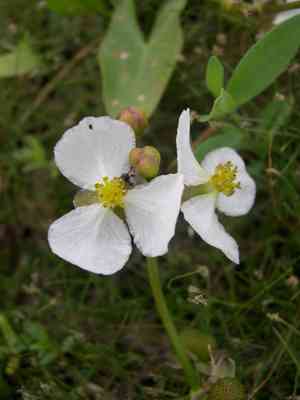
Arum-leaf arrowhead (Sagittaria cuneata)
Also known as: Nothern arrowhead
Sagittaria cuneata, also known as arumleaf arrowhead, is indigenous to North America, spanning much of Canada and the northeastern and western United States. This aquatic plant thrives in freshwater habitats like ponds, marshes, and slow-moving streams. While it is generally not at risk, its conservation status can vary by region, with some areas in the United States listing it as endangered.
In This Article
Attributes of Arum-leaf arrowhead
Lifespan
Perennial
Plant Type
Herb
Plant Height
15 cm to 46 cm
Spread
N/A
Leaf Color
Green
Flower Size
2.5 cm
Flower Color
White Yellow
Images of Arum-leaf arrowhead
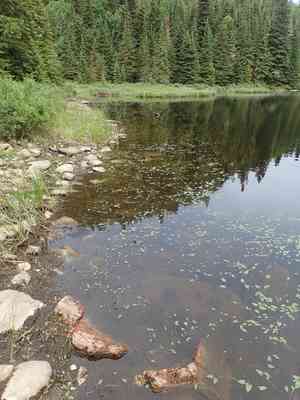
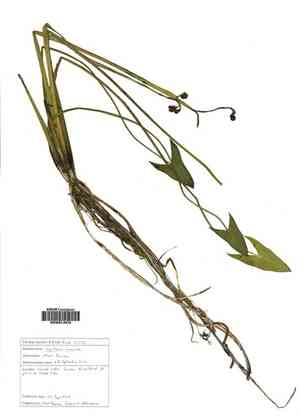
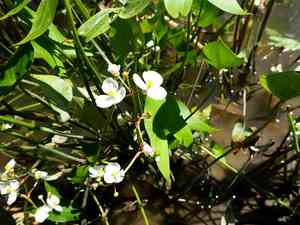
Quickly Identify Arum-leaf arrowhead
1
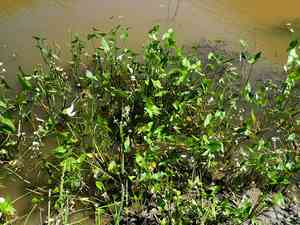
To identify Sagittaria cuneata, look for its distinctive arrowhead-shaped leaves with a pronounced midrib. The plant produces clusters of white flowers that have three petals each. Typically, the plant is found in shallow water or muddy areas.
Scientific Classification of Arum-leaf arrowhead
Phylum
Vascular plants
Class
Monocotyledons
Order
Alismatales
Family
Water-plantain
Genus
Arrowheads
Species
Arum-leaf arrowhead
Planting and Growing of Arum-leaf arrowhead
Care Difficulty
Easy
Watering Schedule
Every 4 days
Sunlight Requirements
Partial sun
Sunshine Duration
4-6 hours
Ideal Temperature
60-75℉
Soil Type
Potting Mix, Peat Mix
Soil pH
6.5-7.5
Fertilizer Type
Balanced
Pruning Season
Spring, Summer
Pruning Area
Branches, Leaves
Pruning Frequency
2 times a year
Repotting Season
Spring
Pot Type
Plastic, Ceramic
 How to Water Arum-leaf arrowhead?
For Sagittaria cuneata, it is crucial to maintain soil that is consistently moist but not waterlogged. On average, providing about 500 ml of water per session ensures that the plant has enough hydration without drowning its roots. This plant thrives in wetland conditions, so you'll want the soil around it to feel slightly damp to the touch.
What are the symptoms of an underwatered Arum-leaf arrowhead?
›
What should I do if my Arum-leaf arrowhead is not getting enough water?
›
What are the symptoms of an overwatered Arum-leaf arrowhead?
›
How to save an overwatered Arum-leaf arrowhead?
›
 What Are the Sunlight Requirements for Arum-leaf arrowhead?
Partial to full sunlight exposure is ideal for Sagittaria cuneata. This light range promotes vigorous growth and optimal flowering through consistent energy intake from sunlight.
More About Sunlight Requirements Techniques→
What kind of light does Sagittaria cuneata thrive in?
›
How can you ensure Sagittaria cuneata gets ideal sunlight?
›
What are the benefits of ideal light conditions for Sagittaria cuneata?
›
 What Is the Ideal Temperature Range for Arum-leaf arrowhead?
Sagittaria cuneata thrives best in climates where the temperature is consistently between 60°F and 75°F. This range offers optimal conditions for growth and development, ensuring the plant has enough warmth for metabolic processes without the stress of overheating.
 What Soil is Best for Arum-leaf arrowhead?
Sagittaria cuneata thrives in moist soil conditions, often found near water bodies. The consistent moisture helps in maintaining the plant's turgescence and drives robust growth, making it a staple choice for wetlands. This plant prefers nutrient-rich soil which provides the necessary minerals and compounds for its growth. A nutrient-dense medium supports vigorous plant health and enhances flowering potential. Despite its love for moisture, Sagittaria cuneata benefits from well-drained soil that prevents waterlogging. Proper drainage ensures that the roots remain healthy and disease-free.
 How to Fertilize Arum-leaf arrowhead?
For Sagittaria cuneata, apply liquid fertilizer at a rate of 1/4 to 1/2 strength of the recommended dosage on the package to avoid over-fertilization. When using slow-release granules, disperse them evenly at about 1 pound per 100 square feet to ensure balanced nutrition without overwhelming the plants.
 How to Prune Arum-leaf arrowhead?
Begin by observing Sagittaria cuneata's structure and identifying areas where growth is too dense or parts are dead. Look for stems and leaves that are yellowing, wilting, or damaged by pests. With a pair of sharp, sanitized pruning shears, carefully cut away any damaged or dead foliage, making your cuts at a slight angle to promote healing. Focus on areas inhibiting new growth or those that disrupt the plant's natural pattern. After removing old and diseased material, consider thinning out overcrowded sections to allow light and air to penetrate deeper layers of Sagittaria cuneata. This attention stimulates new, robust growth and reduces pest issues. After pruning, water the plant thoroughly to help it recover and apply a gentle fertilizer if in season. Keep an eye on the plant over the next few weeks to ensure it responds well to the pruning.
More About Pruning Techniques→
 How to Propagate Arum-leaf arrowhead plant?
1
Fill the seed tray with a well-draining potting mix suitable for aquatic plants. Ensure that the mix is evenly moist before sowing the seeds.
2
Sprinkle the seeds over the surface of the soil. Lightly cover them with a thin layer of soil, as they require some light for germination. Mist the surface lightly to settle the seeds.
3
For division propagation, carefully dig up a mature plant and separate the rhizomes. Ensure each section has roots and leaves. Replant the divisions at similar depths in the soil, ensuring proper spacing.
 How to Repot Arum-leaf arrowhead plant?
1
Signs that Sagittaria cuneata needs repotting include roots growing out of drainage holes, the plant seeming top-heavy, or visibly fewer growths. Ideally, repot in spring or summer to align with the plant's natural growth cycle.
2
Opt for a pot that is 1-2 inches larger in diameter than the current one. This allows room for growth without overwhelming the plant. Ensure the pot has drainage holes to prevent waterlogging, which can lead to root rot.
3
Select a loamy, well-draining soil mix. This type of soil helps in retaining necessary moisture while providing adequate drainage, mimicking the plant's natural marshy environment and promoting healthier root systems.
Learn More About Arum-leaf arrowhead Diseases
Anthracnose
Bacterial Leaf Spot
Bacterial Soft Rot
Bacterial Wilt
Chemical Injury
Cyst Nematode
Damping-off
Downy Mildew
Drought Stress
Fusarium Wilt
Gray Mold
Leaf Spot
Mosaic
Nutrient Deficiency
Nutrient Toxicity
Powdery Mildew
Root Rot
Root-knot Nematode
Rusts
Sooty Mold
Spider Mites
Temperature Stress
Thrips Damage
White Mold



