How to Prune Arum-leaf arrowhead?
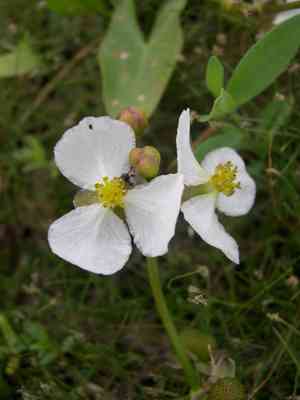
A perennial aquatic plant commonly found in marshy areas, arum-leaf arrowhead exhibits foliage shaped like arrows. Removing withered or discolored leaves enhances water circulation and the plant's well-being. Cut these sections at their base, being careful not to damage healthy parts. This task is ideally performed in spring and summer, aligning with periods of active development. Consistent trimming prevents decomposition in the water and fosters robust growth. Specific consideration: refrain from disrupting the roots within the pliable, submerged soil.
Advantages of Trimming Arum-leaf Arrowhead
Advantages of Trimming Arum-leaf Arrowhead
Trimming arum-leaf arrowhead promotes robust development and maintains its desired shape. It ensures energy is directed to healthy plant sections for optimal vigor and appearance.
Optimal Period for Trimming Arum-leaf Arrowhead
Optimal Period for Trimming Arum-leaf Arrowhead
Pruning in Spring enables arum-leaf arrowhead to channel energy into producing a healthy set of leaves and blooms as it emerges from dormancy. This is a period of strong growth for arum-leaf arrowhead, making it suitable for shaping the plant and removing any damaged or diseased foliage. Trimming in Early Summer can also be advantageous, especially right after the initial flowering to encourage a second bloom. This timing prevents the removal of buds that form during the growing season and ensures the plant's energy isn't wasted on unnecessary or unproductive growth. Proper pruning supports healthy plant development, improved air circulation, and a reduced risk of illness.
Tools Required for Trimming Arum-leaf Arrowhead
Sharp Scissors or Hand Pruners
For arum-leaf arrowhead, which has delicate stems and leaves, sharp scissors or hand pruners are perfect. They allow for precise cuts that aid in shaping the plant and removing dead or unhealthy tissue without causing undue harm to the plant.
Aquatic Plant Trimmers
Arum-leaf arrowhead is an aquatic plant, and utilizing specialized aquatic plant trimmers can be advantageous. These tools are designed to resist rust and enable gardeners to reach into the water without excessively disturbing the plant.
Long-Handled Pruners
If arum-leaf arrowhead is growing in deeper water, long-handled pruners might be necessary. This tool facilitates pruning without the gardener needing to submerge their arms or overly disturb the water, preserving the integrity of the aquatic environment.
How to Trim Arum-leaf Arrowhead
Remove diseased leaves
Identify and remove any diseased leaves from arum-leaf arrowhead by cutting them at the base using sharp, sanitized pruning shears to prevent disease spread.
Trim withered leaves
Locate withered or yellowing leaves on arum-leaf arrowhead and cut these leaves off at the base to encourage healthy growth and improve air circulation.
Eliminate diseased stems
Examine arum-leaf arrowhead for any stems showing signs of disease, such as discoloration or rot, and carefully snip these stems off close to the plant's base without harming the main crown.
Dispose of trimmed material
Dispose of all trimmed diseased leaves and stems by removing them from the area to prevent reinfection or the spread of disease to other plants.
Clean pruning tools
After pruning arum-leaf arrowhead, clean and disinfect all tools used in the process to avoid contaminating other plants with potential pathogens.
Common Trimming Errors with Arum-leaf Arrowhead
Excessive Pruning
Removing too much foliage can stress arum-leaf arrowhead, leading to poor growth or reduced vitality.
Cut placement
Improperly made cuts can damage the crown or stems of arum-leaf arrowhead, which can result in disease or decay.
Incorrect tools
Using dull or dirty pruning tools can cause unnecessary injury to the plant tissues of arum-leaf arrowhead, leaving them susceptible to pests and diseases.
Trimming healthy foliage
Unnecessarily cutting away healthy leaves and stems may weaken arum-leaf arrowhead, as these parts are crucial for photosynthesis and overall energy production.
Ignoring plant structure
Failing to recognize the natural shape and growth habit of arum-leaf arrowhead can lead to a diminished appearance and hinder its growth pattern.
General Trimming Advice for Arum-leaf Arrowhead
Sanitized tools
Always use clean, sharp pruning shears to ensure precise cuts and reduce the risk of transmitting diseases to arum-leaf arrowhead.
Accurate cut placement
When removing dead or damaged foliage, make cuts at the base of the stem, close to the main plant body without harming it, to promote better wound healing and regrowth in arum-leaf arrowhead.
Thinning not topping
Focus on thinning out crowded areas to increase light penetration and air circulation, which benefits arum-leaf arrowhead's overall health, instead of just shortening the top growth.
Conservative approach
Begin pruning cautiously, particularly if you are unfamiliar with arum-leaf arrowhead's growth pattern, and remember you can always prune more if needed after assessing the plant's response.
Dead and damaged first
Prioritize the removal of dead, diseased, or damaged foliage to maintain the health of arum-leaf arrowhead, as this helps prevent the spread of pathogens and pests.



