How to Transplant Meadow Pink?
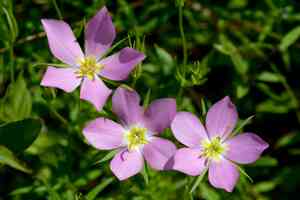
Move your meadow Pink during the green period extending from after the frost thaws until the peak of spring, making sure it's in a sunny spot. Although we won't go into details, keep in mind that meadow Pink flourishes in soils that drain well and are somewhat delicate.
Essential Preparations Before Relocating Meadow Pink
Optimal Period for Relocating Meadow Pink?
The best time to move meadow Pink is from early spring to the start of summer. This period offers moderate temperatures and ideal soil conditions, crucial for root development. Transplanting then gives meadow Pink the perfect start to thrive, leveraging the full potential of the growing season. Remember, this is when meadow Pink can best adapt to its new spot, ensuring strong growth and blooming.
Recommended Spacing Between Meadow Pink Plants?
Hello aspiring gardener! For your meadow Pink plants, you'll want to provide ample room. Aim to position them approximately 6-12 inches (15-30 cm) apart. This spacing will ensure they have sufficient area to flourish and display their beauty!
Ideal Soil Mixture for Meadow Pink Relocation?
To create a welcoming environment for meadow Pink, select well-draining soil enriched with organic matter. A gentle start with a balanced, slow-release fertilizer will be highly beneficial. Think of it as preparing a nourishing bed for young plants to rest and develop in.
Preferred Location for Your Meadow Pink?
Your meadow Pinks adore basking in the sun's splendor! Choose a sunny location where they can receive at least 6 hours of daylight. This sun-drenched spot will allow them to flourish, filling your garden with vibrant colors.
Equipment Needed Before Transplanting Meadow Pink?
Gardening Gloves
To safeguard your hands while handling soil and plants.
Shovel or Spade
For carefully digging up meadow Pink without harming its roots.
Trowel
For creating a hole at the new site and adjusting the surrounding soil.
Watering Can
To hydrate meadow Pink both before and after its relocation.
Pruners or Scissors
For trimming any damaged roots or leaves if required.
Wheelbarrow or Garden Cart
To easily move meadow Pink and soil.
How to Extract Meadow Pink from the Soil?
How to Extract Meadow Pink from the Soil?
From Ground: Hydrate meadow Pink to moisten the soil, facilitating easier removal. Using a shovel or spade, dig a wide circle around meadow Pink, being careful to preserve the root ball. Gently slide the tool under the roots to lift the plant from the ground.From Pot: Water meadow Pink to loosen the soil. Turn the pot on its side, gently tap the base, and carefully slide meadow Pink out while supporting the plant at its stem.From Seedling Tray: First, moisten the soil. Use a trowel or your fingers to gently lift meadow Pink from its section, taking care not to harm the delicate roots.
Step-by-Step Guide for Relocating Meadow Pink
Prepare the New Location
Dig a hole at the new spot that is twice the width of meadow Pink's root ball but no deeper, ensuring the plant sits at its original growing level.
Root Ball Care
Inspect meadow Pink's root ball, gently separating any circling roots to encourage outward growth post-planting.
Placing the Plant
Carefully position meadow Pink into the hole, making sure it's upright and centered. Backfill the hole with the existing soil, pressing lightly to eliminate air pockets.
Watering
Gently water meadow Pink to settle the soil around its roots, minimizing transplant shock and hydrating the plant.
Mulching
Apply a layer of mulch around the base of meadow Pink to help retain soil moisture and suppress weed growth.
Post-Transplant Care for Meadow Pink
Monitoring
Regularly check meadow Pink for signs of stress, such as wilting or discolored foliage, and adjust care as needed.
Watering
Keep the soil around meadow Pink moist by watering when the top inch feels dry to the touch to aid establishment, typically 1-2 times per week depending on weather.
Mulch Maintenance
Maintain the mulch layer to conserve moisture and ensure it does not touch meadow Pink's stems, which could lead to rot.
Gentle Pruning
Trim any damaged or dead parts of meadow Pink to direct the plant's energy towards new growth and recovery.
Addressing Common Issues with Meadow Pink Relocation.
When is the optimal time to move meadow Pink?
Relocate meadow Pink during the prime window from early to late spring, when conditions are mild.
What is the ideal spacing for meadow Pink transplants?
Allow each meadow Pink ample room to thrive by spacing them 6-12 inches (15-30 cm) apart.
Why are my meadow Pink transplants wilting after planting?
Wilting may indicate transplant shock. Ensure consistent soil moisture and initially avoid direct sun.
What light conditions do meadow Pink seedlings require?
Position meadow Pink seedlings in a spot with bright, indirect light to prevent scorching their delicate leaves.
How deep should I plant meadow Pink seedlings?
Plant meadow Pink at the same depth they were in their pots to prevent stem rot or drought stress.
Can I fertilize meadow Pink immediately after transplanting?
Wait a few weeks before fertilizing to allow meadow Pink to establish and avoid root burn.
How much should I water meadow Pink after transplanting?
Water thoroughly after planting, then maintain moist soil, especially during the initial weeks.
My meadow Pink transplants are yellowing, what's the cause?
Yellowing might be due to overwatering or poor drainage. Adjust watering and improve soil aeration.
Should I apply mulch around my meadow Pink transplants?
Yes, a thin layer of mulch can help retain moisture and regulate soil temperature.
Can I transplant meadow Pink during the summer?
It's best to avoid summer transplanting, but if necessary, provide extra care for heat and dryness.



