Enhancing Your Garden Design with the Meadow Pink Plant: A Landscaping Guide
1
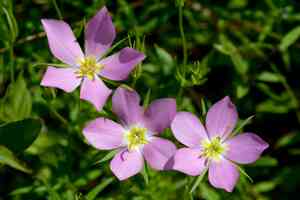
Meadow Pink is recognized for its lovely pink blossoms that enhance any garden area.
2
Meadow Pink adjusts well to diverse soil conditions and weather patterns, making it a flexible option.
3
Adding Meadow Pink can offer environmental advantages like aiding pollinator species.
Why Select Meadow Pink for Your Outdoor Space?
Appealing Characteristics of Meadow Pink: An Overview
To boost your garden's visual appeal, Meadow Pink stands out with its striking pink blossoms that appear in clusters. This vivid shade introduces a refreshing burst of color to any setting, making it a captivating addition. The plant's slender stalks and delicate petals create an elegant look that sways gently in the breeze. Furthermore, Meadow Pink's foliage is equally attractive, with its lush green leaves offering a lovely contrast to the vibrant flowers. Whether you're aiming for a cottage garden aesthetic or a more formal design, Meadow Pink integrates smoothly into various styles, making it a versatile option for creative landscapers.
Adaptability and Durability: How Meadow Pink Thrives in Diverse Environments
A key attribute of Meadow Pink is its remarkable adaptability. This plant can flourish in a range of soil types, from sandy to loamy, and it tolerates both moist and dry conditions. Whether you're gardening in an area with ample rainfall or in a region prone to drought, Meadow Pink is well-equipped to manage the challenges. Moreover, Meadow Pink is known for its resilience to different climates, making it a dependable choice for gardeners in various zones. This adaptability ensures that no matter where you plant it, Meadow Pink will thrive and continue to provide beauty and interest in your garden for years to come.
Advantages Beyond Aesthetics: Ecological Benefits of Meadow Pink
Beyond its visual charm, Meadow Pink offers several ecological benefits worth considering. This plant plays a vital role in supporting local pollinators, such as bees and butterflies, by providing a valuable nectar source. By incorporating Meadow Pink into your garden, you're contributing to the health and sustainability of these essential insects, which in turn aid in the pollination of other plants. Furthermore, Meadow Pink can help improve soil health by preventing erosion with its well-established root system. This makes it an excellent choice for stabilizing slopes and maintaining soil structure in different parts of your landscape.
Designing with Meadow Pink: Creative Concepts for Your Garden
Integrating Meadow Pink into Flower Beds and Borders
Using Meadow Pink in flower beds and borders can transform your garden's appearance. Its bright pink blooms create stunning contrast when planted alongside flora with different colored flowers or foliage. Consider placing Meadow Pink at the front of a mixed border to draw the eye, or plant it in groupings along pathways for a charming effect. The plant's height and form make it suitable for both formal and informal border designs, giving you flexibility in your landscaping plans. For a more textured and layered look, try interplanting Meadow Pink with perennials of varying heights to create depth and visual interest.
Companion Planting: What Pairs Best with Meadow Pink
Companion planting with Meadow Pink can enhance your garden's growth and appeal. Pair Meadow Pink with plants that have complementary colors and similar growing requirements. Good companions include plants with blue or purple flowers, such as Lavender or Salvia, as their hues contrast beautifully with Meadow Pink's pink. Additionally, consider plants that attract pollinators, like Milkweed or Coneflower, to create a buzzing, biodiverse environment. Combining Meadow Pink with grasses can also add a textural element to your garden beds, heightening the overall aesthetic and supporting a healthy garden ecosystem.
Creating Focal Points with Meadow Pink in Your Garden Layout
Creating focal points with Meadow Pink can draw attention to specific areas of your garden and give it a unique character. Consider planting Meadow Pink in a prominent spot, such as near a garden bench, fountain, or at the end of a walking path. The plantâs vibrant color and pleasing form can help create a striking visual anchor that grabs attention and invites closer inspection. You can also use Meadow Pink to frame sculptures, garden features, or entryways, turning them into eye-catching focal points that elevate your landscape design.
Maintaining Meadow Pink in Your Landscape: Essential Advice
Watering and Light Needs for Optimal Development
Meadow Pink thrives best with moderate watering. It's crucial to keep the soil consistently moist but well-drained. Overwatering can lead to root rot, so ensure the plant is not sitting in waterlogged conditions. In terms of light, Meadow Pink prefers full sun to partial shade. Providing at least six hours of sunlight daily will promote healthy growth and vibrant flowering. Adjust watering practices based on seasonal changes, increasing water during hot, dry spells and reducing during cooler, wetter periods.
Seasonal Care Tips to Keep Meadow Pink Thriving Year-Round
Caring for Meadow Pink across different seasons ensures its longevity and continuous beauty. During the growing season, regular deadheading of spent flowers will encourage new blooms and maintain the plant's tidy appearance. In the fall, consider adding a layer of mulch around the base to protect the roots from extreme cold. Pruning should be minimal but can be done in early spring to remove any dead or damaged stems. As Meadow Pink is relatively low-maintenance, these seasonal care tips will keep it healthy and thriving throughout the year.
Addressing Common Issues and Boosting Plant Health
While Meadow Pink is generally resilient, it's not entirely free from potential issues. Watch for common pests like aphids or spider mites and treat them promptly with appropriate natural remedies or insecticidal soaps. Ensuring proper spacing between plants can reduce the risk of fungal diseases by promoting air circulation. Regularly inspect your plants for any signs of distress, such as yellowing leaves or stunted growth, and address these issues quickly by adjusting care routines or seeking expert advice. Good garden hygiene, such as removing fallen leaves or debris, also helps in keeping Meadow Pink healthy and vibrant.



