How to Propagate Meadow Pink?
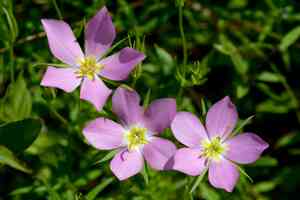
Meadow Pink, a fragile wild bloom, necessitates particular propagation strategies for effective growth. For those desiring to cultivate this species, seeding is the favored approach. To propagate Meadow Pink, gather seeds from its pod post-flowering and desiccate them. Prepare a soil blend that drains efficiently, as Meadow Pink flourishes in settings resembling its indigenous environment. Disperse the seeds superficially, given their requirement for light to germinate. Maintain steady hydration without saturation to foster emergence. Direct planting is also an option if the weather conditions align with the plant's original habitat.
Optimal Time for Meadow Pink Propagation
Propagation Method
Seeding
Propagation Period
Spring
Equipment for Meadow Pink Propagation
Seed trays
Seed trays are vital for initiating meadow Pink from seeds, enabling efficient space utilization and arrangement. These containers help maintain consistent soil conditions, which is critical for the germination and initial growth of meadow Pink. The individual sections in seed trays ensure each plant has ample room to develop without competition, which is essential for delicate species like meadow Pink.
Fine-grade vermiculite or perlite
Fine-grade vermiculite or perlite is advised for sowing meadow Pink's seeds, as it offers excellent aeration and drainage. This medium assists in maintaining the correct moisture balance around the seeds, encouraging better germination rates. Incorporating these materials into the soil can prevent compaction, benefiting the root development of young meadow Pink seedlings.
Misting bottle
A misting bottle is essential for gently hydrating meadow Pink seeds without dislodging them. Consistent, light moisture from misting helps maintain ideal soil conditions, reducing the chance of seed or seedling dehydration. This tool is particularly useful for controlling water application during the crucial germination phase.
Dibber or seed dibbler
A dibber or seed dibbler assists in creating uniform planting holes or depressions for meadow Pink's seeds. This ensures seeds are planted at the appropriate depth, which is important for optimal germination. Utilizing a dibber can also accelerate the sowing process and help achieve more consistent growth across the seed tray.
Labeling materials
Labels or markers are crucial for tracking meadow Pink seedlings, especially when managing multiple varieties. Proper labeling prevents confusion and aids in monitoring the growth progress and needs of each plant. This organizational tool is indispensable for keeping records of planting dates and care schedules.
How to Propagate Meadow Pink?
Propagation Type
Simple
Caring for Your Newly Propagated Meadow Pink
Caring for Your Newly Propagated Meadow Pink
Post-transplant, ensure meadow Pink continues to receive adequate sunlight, which should be bright but indirect to mimic its natural environment. Water regularly to keep the soil moist, especially during dry spells. As a native prairie plant, meadow Pink typically doesn't require fertilizer but can benefit from a balanced, slow-release type if growth appears stunted. Conduct regular weeding to prevent resource competition and monitor for pests and diseases.
Common Errors to Avoid When Propagating Meadow Pink
Overwatering
Excessive watering is a frequent mistake leading to root rot in meadow Pink, a plant sensitive to too much moisture around its roots. This degrades the root system, affecting the plant's overall health and decreasing its survival rate during propagation.
Planting too deep
Sowing meadow Pink's seeds too deeply can hinder germination, as they require light for this process. Deeply buried seeds struggle to access necessary light and may fail to sprout, resulting in unsuccessful propagation.
Ignoring soil composition
Using unsuitable soil types can impede the growth of meadow Pink, which thrives in well-draining soils. Poorly draining soils might retain too much moisture, increasing the risk of fungal diseases and negatively impacting plant health.
Neglecting initial plant placement
Starting meadow Pink in an area with insufficient light can severely affect its development. Inadequate light hinders photosynthesis, which is essential for growth and health, particularly during the critical germination phase.
Tips For Propagating Meadow Pink
Surface sowing
For successful propagation, sow meadow Pink's seeds on the soil surface or lightly cover them with a thin layer of soil. This method leverages their need for light to ensure effective germination.
Use well-draining soil
Propagate meadow Pink in well-draining soil to prevent water accumulation. Ensuring proper soil drainage supports healthy root development and reduces the risk of root rot and other moisture-related diseases.
Maintain moderate moisture
Keep the soil moderately moist when propagating meadow Pink. Avoid both overwatering and allowing the soil to dry out completely, to provide a stable environment for seed germination and root growth.
Provide plenty of light
Ensure that meadow Pink receives ample light, especially during the germination and early growth stages. Adequate light is crucial for photosynthesis and overall health, promoting stronger and more successful plant propagation.



