How to Transplant Elmleaf blackberry?
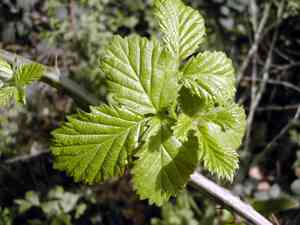
Elmleaf blackberry (Rubus ulmifolius) flourishes when relocated during the mild temperatures of late spring to early summer. Select a bright location featuring soil that drains effectively. Be sure to preserve soil dampness and shield the root system throughout the transfer for superior integration.
What Preparations are Needed Before Transplanting Elmleaf Blackberry?
What is the Ideal Time for Transplanting Elmleaf Blackberry?
The optimal period for relocating elmleaf blackberry spans from late spring to early summer. During these warmer months, the soil is adequately moist and warm, which is perfect for root establishment, ensuring that the elmleaf blackberry can flourish in its new spot. These conditions align perfectly with the natural growth cycle of elmleaf blackberry, providing it with the best chance for successful transplantation and robust growth. Performing the transplant in this season ensures that the elmleaf blackberry has ample time to develop a strong root system before the stress of colder months. Plus, the mild weather is not only comfortable for the plant but also for you! This way, your elmleaf blackberry enters its peak growth with a solid, well-adjusted foundation.
How Much Space Should You Leave Between Elmleaf Blackberry Plants?
When relocating your elmleaf blackberry, aim to provide each plant ample room to expand. A spacing of 4-6 feet (1.2-1.8 meters) apart is ideal. This allows them to thrive without competing for resources.
What is the Best Soil Mix for Elmleaf Blackberry Transplanting?
Your elmleaf blackberry will flourish in well-drained soil rich in organic matter. Before planting, enrich the site with compost and a balanced slow-release fertilizer to give your perennials the best start.
Where Should You Relocate Your Elmleaf Blackberry?
Select a sunny location for your elmleaf blackberry as they prefer full sunlight exposure. A spot that receives at least 6-8 hours of direct sun daily will help your plants produce the most flavorful fruits. Remember to shield them from strong winds!
What Equipments Should You Prepare Before Transplantation Elmleaf Blackberry?
Gardening Gloves
To safeguard your hands while handling soil and plants.
Shovel or Spade
For excavating the plant and preparing the new planting hole.
Pruning Shears
To trim any damaged roots or foliage prior to transplanting.
Watering Can or Hose
For hydrating the plant before and after its relocation.
Wheelbarrow or Tarp
To move the plant and soil without creating a mess.
Stakes or Plant Supports
To offer stability to elmleaf blackberry if needed after transplant.
How Do You Remove Elmleaf Blackberry from the Soil?
How Do You Remove Elmleaf Blackberry from the Soil?
From Ground: Hydrate the elmleaf blackberry to moisten the soil, which facilitates easier removal. Dig a wide circle around the plant without disturbing the root ball and gently lift the plant out with a shovel or spade.From Pot: Begin by watering the soil. Tilt the pot to the side and gently tap to loosen the root ball. Slowly ease the elmleaf blackberry out, supporting the plant and the soil with your hands.From Seedling Tray: Moisten the soil, then use a dibbler or your fingers to carefully extract the seedling while preserving the root structure as much as possible.
Step-by-Step Guide for Transplanting Elmleaf Blackberry
Preparing the Site
Ensure the new location is free of weeds and debris before transplanting.
Digging the Hole
Excavate a hole that is twice as wide and just as deep as the root ball of elmleaf blackberry.
Preparing the Plant
Trim any damaged roots with clean pruning shears and ready the elmleaf blackberry for placement in the new location.
Placing the Plant
Position elmleaf blackberry in the center of the hole and adjust it so that it sits at the same depth as it was previously growing.
Filling the Hole
Backfill the hole with soil, gently firming it around the root ball of elmleaf blackberry to eliminate any air pockets.
Stabilizing elmleaf blackberry
If necessary, add stakes or supports around elmleaf blackberry to ensure it stands straight and to provide structural support.
Watering
Water the elmleaf blackberry generously to settle the soil and hydrate the roots.
How Do You Care For Elmleaf Blackberry After Transplanting?
Regular Watering
Ensure the elmleaf blackberry receives consistent watering, especially during its initial growing season after transplanting to aid root establishment.
Mulching
Apply a layer of mulch around the base of elmleaf blackberry to help retain soil moisture and regulate temperature.
Checking for Pests
Monitor for any indications of pests or diseases and take appropriate measures if any are observed.
Pruning
Remove any dead or damaged branches to encourage healthy new growth on the elmleaf blackberry.
Support Maintenance
Inspect and adjust any stakes or supports put in place during the initial planting as the elmleaf blackberry grows and stabilizes.
Troubleshooting Common Issues with Elmleaf Blackberry Transplantation.
When is the best time to transplant elmleaf blackberry?
The ideal time to transplant elmleaf blackberry is during the mild seasons, specifically from late spring to early summer for optimal root establishment.
How far apart should I space elmleaf blackberry plants?
For healthy growth, space your elmleaf blackberry plants approximately 4-6 feet (1.2-1.8 meters) apart. This provides them with ample room to thrive without overcrowding.
Why is my elmleaf blackberry wilting after transplanting?
Wilting post-transplant can be due to shock. Ensure it's watered sufficiently and shielded from intense sun or winds while it adjusts.
How much should I water elmleaf blackberry after transplanting?
Water elmleaf blackberry generously immediately after transplanting to settle the soil around the roots and then maintain consistent moisture without overwatering.
What kind of soil is best for transplanting elmleaf blackberry?
Transplant elmleaf blackberry into well-draining soil rich in organic matter to promote robust root growth and optimum fruit production.
Can elmleaf blackberry be transplanted in hot weather?
Avoid transplanting elmleaf blackberry during hot periods. Cooler days help minimize stress and reduce the chance of dehydration.
What should I do if elmleaf blackberry shows no new growth after transplant?
If there's no new growth, verify the plant isn't too deep or too shallow, check for pests, and ensure it's receiving the correct water and light.
How deep should the hole be for transplanting elmleaf blackberry?
The hole should be just deep enough to accommodate the root ball, allowing the base of the stem to sit at ground level.
Is mulching necessary after transplanting elmleaf blackberry?
Yes, mulching helps retain soil moisture, suppresses weeds, and regulates soil temperature, benefiting the newly transplanted elmleaf blackberry.
Should I prune elmleaf blackberry when transplanting?
Light pruning can help reduce transplant shock by balancing root loss, but avoid heavy pruning until the plant is established.



