How to Prune Elmleaf blackberry?
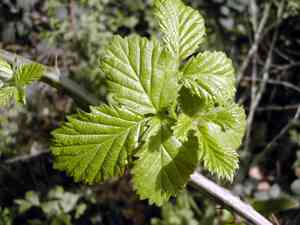
Elmleaf blackberry, a prickly bush recognized for its curving branches and palatable fruit, necessitates consistent trimming to sustain its vigor and output. Perform pruning in late winter or early spring prior to the emergence of new shoots. Eliminate deceased canes, reduce the density of older ones, and cut back any feeble growth to foster the development of fresh canes. Pruning stimulates the generation of fruit and enhances air movement, thereby lowering the likelihood of illness. Restrict pruning to preserve its natural form while boosting berry harvest.
What Are the Benefits of Pruning Elmleaf Blackberry?
What Are the Benefits of Pruning Elmleaf Blackberry?
Trimming elmleaf blackberry encourages vigorous development by eliminating competing stems, which frees up more resources for new shoots. Regular cutting maintains the plant's form, preventing excessive growth and preserving its attractive shape.
What Is the Best Time for Pruning Elmleaf Blackberry?
What Is the Best Time for Pruning Elmleaf Blackberry?
Pruning elmleaf blackberry during late winter or early spring is considered optimal as it coincides with its dormant phase before new growth begins. Trimming at this time minimizes plant stress and allows for the removal of dead or diseased stems without disrupting active growth or fruit production. It also prepares elmleaf blackberry for robust spring growth by directing the plant's energy into producing new, healthy shoots that will boost fruit yield in the subsequent season.
What Tools Do I Need to Prune Elmleaf Blackberry?
Hand Pruners
Designed for cutting stems and branches up to 3/4 inch thick, hand pruners are ideal for the annual upkeep and shaping of elmleaf blackberry. They provide a clean cut, essential for the plant's well-being.
Loppers
With longer handles, loppers increase leverage to cut through branches up to 2 inches thick. They are suitable for reaching into the dense growth of elmleaf blackberry without disturbing nearby plants.
Pruning Saw
For thicker, woodier branches of older elmleaf blackberry that cannot be cut with loppers, a pruning saw is necessary. Pruning saws allow for precision in tight spaces without causing excessive harm to the plant.
Gloves
Wearing thick gloves is crucial when pruning elmleaf blackberry due to its sharp thorns that can cause injury.
Safety Glasses
Safety glasses protect the gardener's eyes from thorns and debris that might be dislodged during the pruning process.
How to Prune Elmleaf Blackberry
Clean Tools
Sanitize your pruning shears with alcohol or a bleach solution to prevent the spread of disease when cutting elmleaf blackberry.
Remove Diseased Leaves
Identify and carefully remove any diseased leaves from elmleaf blackberry, ensuring a clean cut close to the stem to not leave stubs which could attract pests.
Remove Withered Leaves
Cut off withered leaves that are no longer green and healthy-looking from elmleaf blackberry to improve air circulation and light penetration, essential for plant health.
Dispose
Collect and dispose of all removed diseased and withered leaves off-site to reduce the risk of disease spreading in elmleaf blackberry.
Clean Finish
Clean your tools again after finishing to ensure no pathogens are transferred the next time you prune elmleaf blackberry or another plant.
Common Pruning Mistakes with Elmleaf Blackberry
Over-Pruning
Removing too much foliage can stress elmleaf blackberry, leading to reduced fruiting and vulnerability to diseases or pests.
Neglecting Dead Wood
Failing to remove dead or diseased canes can inhibit new growth and may invite infestation or further damage to the plant.
Improper Tool Use
Utilizing dull or dirty pruning tools can result in jagged cuts that harm elmleaf blackberry and increase the risk of disease.
Cutting Too Close
Pruning too close to the main canes might damage the vital parts of elmleaf blackberry and impede its natural growth pattern.
Ignoring Plant Structure
Not considering the natural shape and growth habit of elmleaf blackberry can lead to a weakened structure and poor fruiting.
Pruning Blindly
Random or uninformed cuts can lead to an imbalance in the canopy, affecting sunlight penetration and air circulation.
Common Pruning Tips for Elmleaf Blackberry
Selective Pruning
Focus on removing only dead, diseased, or damaged canes to maintain elmleaf blackberry's health and vitality.
Sharp Tools
Always use sharp, clean pruning shears or loppers to make clean cuts that elmleaf blackberry can heal quickly from.
Canes Management
Understanding that elmleaf blackberry may produce fruit on second-year canes (floricanes), ensure you're aware of which canes to prune and which to leave untouched.
Lateral Cuts
Make cuts above buds that are facing outward to encourage elmleaf blackberry to grow outward, promoting better air flow and reducing disease risks.
Correct Thickness
Elmleaf blackberry benefits from having canes of the correct thicknessâabout pencil-width is ideal; thin out any that are smaller to prioritize strong growth.
Moderated Pruning
Prune elmleaf blackberry judiciously to balance fruit production and vegetative growth, enhancing overall plant health and yield.



