How to Transplant Roseleaf bramble?
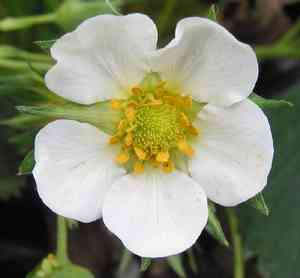
Relocate roseleaf bramble during the vigorous period from early spring to its initial flowering, making sure it receives abundant light and soil that drains effectively. Handle with care; roseleaf bramble's root system flourishes best with limited disruption.
What Preparations are Necessary Before Relocating Roseleaf Bramble?
What is the Optimal Period for Relocating Roseleaf Bramble?
The ideal period for relocating roseleaf bramble occurs as winter's chill recedes but before summer's full intensity. This window, typically from early spring's garden awakening until the edge of summer, provides perfect conditions. During this season, moderate temperatures and increasing daylight benefit roseleaf bramble, allowing it to establish roots without extreme heat or potential frost. Gently moving roseleaf bramble during this time utilizes nature's supportive environment, ensuring a stronger start and more vigorous development.
How Much Space Should You Provide Between Roseleaf Bramble Plants?
When preparing to rehome your roseleaf bramble, remember they appreciate ample room. Position them 3-4 feet (approximately 0.9-1.2 meters) apart to ensure sufficient space for thriving!
What is the Best Soil Mixture for Roseleaf Bramble Relocation?
Before introducing your roseleaf bramble, prepare the soil like a comfortable bed. A loamy, well-drained soil will cradle them perfectly. For an initial boost, incorporate some balanced, slow-release fertilizer to nourish them as they develop.
Where Should You Replant Your Roseleaf Bramble?
Sunlight is the best remedy for your roseleaf bramble! Select a location where they will receive full sun to partial shade. A spot that absorbs morning sun but is protected from harsh afternoon rays is ideal.
What Equipment Should You Prepare Before Transplanting Roseleaf Bramble?
Gardening Gloves
To safeguard your hands while handling soil and the plant.
Shovel or Spade
For excavating the plant and preparing the new planting site.
Watering Can or Hose
To hydrate the roseleaf bramble before and after its relocation.
Pruning Shears
To trim any dead or damaged roots prior to transplanting.
Garden Fork
To loosen the soil surrounding the plant's root system.
Wheelbarrow or Tarp
To transport the roseleaf bramble and maintain a tidy work area.
Mulch
To aid in retaining soil moisture and reducing weed growth around the new planting location.
Stake or Plant Supports
To provide support for the roseleaf bramble if necessary after transplanting.
How Do You Extract Roseleaf Bramble from the Soil?
How Do You Extract Roseleaf Bramble from the Soil?
From Ground: Water the roseleaf bramble thoroughly beforehand to ensure moist soil and easier root extraction. Dig a wide circle around the roseleaf bramble using a shovel or spade to prevent damage to the root ball. Gently work the tool beneath the root system to lift the plant with minimal root disturbance.From Pot: Water the roseleaf bramble and gently tap the pot's sides to loosen the soil. Carefully invert the pot and support the roseleaf bramble as you slide it out. Avoid pulling the plant by its stems or foliage to prevent harm.From Seedling Tray: Water the seedlings and use a small tool, such as a dibber or a spoon, to lift the roseleaf bramble from the tray. Handle the seedling by its leaves rather than the stem to avoid damage.
Step-by-Step Guide for Relocating Roseleaf Bramble
Digging Hole
Excavate a hole in the ground that is twice the width and the same depth as the roseleaf bramble's root ball.
Preparing roseleaf bramble
Inspect the roseleaf bramble's root system and use pruning shears to remove any dead or damaged roots.
Positioning roseleaf bramble
Place the roseleaf bramble in the center of the hole, ensuring it stands upright and at its original growing depth.
Refilling Hole
Carefully backfill the hole with soil, gently tamping down to eliminate air pockets without compacting the soil.
Watering
Thoroughly water the roseleaf bramble once it's in place to settle the soil and provide hydration for the roots.
Applying Mulch
Apply a layer of mulch around the roseleaf bramble's base, keeping it a few inches away from the stems to prevent rot.
Supporting roseleaf bramble
If the roseleaf bramble appears top-heavy or unstable, insert a stake or plant support and gently tie the roseleaf bramble to it.
How Do You Care For Roseleaf Bramble After Relocation?
Consistent Watering
Ensure the roseleaf bramble receives regular watering, allowing the soil to dry slightly between waterings, to encourage deep root growth without waterlogging.
Checking Stakes and Supports
Inspect any stakes or supports weekly and adjust as the roseleaf bramble grows to ensure proper support without impeding development.
Observing Plant Health
Monitor the roseleaf bramble for signs of stress, such as wilting or discolored leaves, and take necessary action to address any issues.
Pruning
Prune the roseleaf bramble to maintain its form and encourage bushier growth, removing any spent flowers or berries to promote new fruiting.
Troubleshooting Common Issues with Roseleaf Bramble Relocation.
When is the optimal time to relocate roseleaf bramble?
The best time is from early to late spring, ensuring a smooth transition during milder weather.
How far apart should I space roseleaf bramble when relocating?
Space roseleaf bramble approximately 3-4 feet (90-120 cm) apart to provide ample room for growth.
Why is my roseleaf bramble wilting after relocation?
Wilting could be due to transplant shock. Ensure adequate watering, shade from intense sun, and avoid disturbing the roots.
What soil conditions are best for relocating roseleaf bramble?
Plant roseleaf bramble in well-draining, fertile soil enriched with organic matter to encourage healthy root development.
How deeply should I plant roseleaf bramble during relocation?
Relocate roseleaf bramble at the same depth it was previously growing, keeping the root crown at soil level.
Should I water roseleaf bramble immediately after relocating?
Yes, water thoroughly to settle the soil around the roots and eliminate air pockets, without causing standing water.
Can I relocate roseleaf bramble on a hot, sunny day?
It's best to avoid hot, sunny days. Overcast days with mild temperatures reduce stress on roseleaf bramble.
What should I do if roseleaf bramble's leaves turn yellow after relocating?
Yellowing may indicate overwatering or nutrient deficiencies. Adjust watering practices and consider a balanced fertilizer.
How do I prepare the relocation site for roseleaf bramble?
Clear weeds, loosen the soil, and amend with compost. Ensure the site has full to partial sun exposure.
What's the sign that roseleaf bramble has successfully established after relocating?
When new growth appears and the plant seems healthy and vigorous, it's a sign of successful establishment.



