How to Prune Roseleaf bramble?
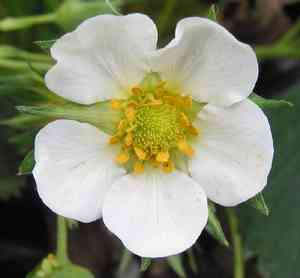
Renowned for its palatable berries and therapeutic attributes, roseleaf bramble flourishes with consistent upkeep. Trimming ought to concentrate on excising lifeless or ailing stalks and reducing density to enhance illumination and airflow. The most effective time for pruning is in late winter or early spring, prior to the emergence of fresh shoots. For roseleaf bramble, this practice not only stimulates fruit yield but also curbs excessive expansion and preserves a pleasing plant structure. Always employ sanitized, keen implements to execute accurate incisions, thereby aiding in the deterrence of pathogen entry.
Advantages of Trimming Roseleaf Bramble
Advantages of Trimming Roseleaf Bramble
Trimming roseleaf bramble is crucial for encouraging robust development and maintaining its desired form. Regular pruning eliminates congested stems, allowing light and air to reach the inner foliage, thereby boosting vitality and lowering disease risk.
Optimal Period for Pruning Roseleaf Bramble
Optimal Period for Pruning Roseleaf Bramble
Pruning roseleaf bramble in late winter or early spring is beneficial as it prepares the plant for vigorous growth during the upcoming growing season. This timing allows gardeners to remove any dead or damaged canes before the plant breaks dormancy, ensuring energy is directed to healthy growth. Additionally, since roseleaf bramble may produce flowers and fruits on new growth, pruning during this period will stimulate fresh growth that can lead to better flowering and fruit production in the subsequent months. It also minimizes the risk of disease transmission, as the cooler weather conditions can help prevent the spread of pathogens that thrive in warmer, more humid conditions. Pruning during this timeframe helps maintain plant form and encourages a strong framework for supporting the year's growth.
Necessary Tools for Pruning Roseleaf Bramble
Hand Pruners
For precise, clean cuts on roseleaf bramble's smaller stems.
Pruning Saw
To manage roseleaf bramble's larger canes or if the shrub has become overgrown.
Bypass Loppers
Perfect for reaching into the dense growth of roseleaf bramble and cutting through moderately thick stems with greater leverage than hand pruners.
Gloves
Protection is essential as roseleaf bramble may have thorns or bristles that can cause injury.
Long-Sleeved Shirt
Prevents scratches from roseleaf bramble's stems and leaves during the pruning process.
How to Prune Roseleaf Bramble
Sanitize Tools
Before beginning, disinfect pruning tools with a bleach or alcohol solution to prevent disease spread to roseleaf bramble.
Remove Diseased Material
Carefully cut away any diseased leaves and branches, ensuring cuts are made back to healthy tissue to prevent further infection in roseleaf bramble.
Trim Withered Leaves
Remove withered leaves by cutting them at the base of the leaf stalk, improving air circulation and overall plant energy allocation in roseleaf bramble.
Eliminate Dead Branches
Identify and remove dead branches by cutting cleanly at their point of origin or back to a main branch, promoting healthier growth in roseleaf bramble.
Dispose Trimmed Material
Discard all trimmed material away from the plant to minimize the risk of disease and pests around roseleaf bramble.
Common Pruning Errors with Roseleaf Bramble
Overpruning
Removing too much foliage at once can stress roseleaf bramble, leading to weakened plants and reduced vigor. Aim to remove only about one-third of the plant's size during a pruning session.
Ignoring Diseased Material
Failure to remove diseased or damaged canes can invite pests and diseases to proliferate, risking the health of roseleaf bramble.
Blunt Instruments
Using dull tools can cause jagged cuts that are more susceptible to disease and may impair the plantâs healing process.
Cut Position
Incorrect cut placement can result in stubs or canes that are too short, potentially harming roseleaf bramble or leading to poor growth patterns.
Neglecting To Thin
Not thinning out the canes can lead to poor air circulation and light penetration, which are critical factors for the health and fruit production of roseleaf bramble.
Pruning At Wrong Angle
Cuts made at the wrong angle can collect water, potentially leading to rot or disease in roseleaf bramble. Proper cuts should be at a 45-degree angle, sloping away from the bud.
General Pruning Advice for Roseleaf Bramble
Sanitization
Always use clean, sanitized pruning tools to prevent the spread of diseases when trimming roseleaf bramble.
Selective Pruning
Selectively remove older canes, while preserving new, healthy growth to promote the vigor of roseleaf bramble.
Cut To Outward Facing Buds
Make cuts just above buds that are facing outward to encourage roseleaf bramble to grow outwards, not inwards, creating a well-shaped plant.
Remove Crossing Canes
Eliminate canes that cross each other to prevent wounds and ensure good air flow through roseleaf bramble, which is essential for disease prevention.
Consistent Maintenance
Regularly inspect roseleaf bramble and perform light pruning as needed to maintain shape and remove any dead, diseased, or overcrowded canes.



