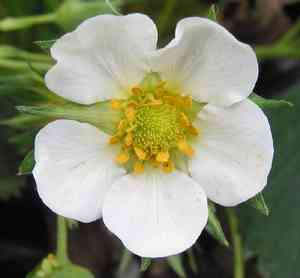
Roseleaf bramble (Rubus rosifolius)
Also known as: Thimbleberry, Vanuatu raspberry, Cape bramble, Native raspberry
While lantana is effective for soil erosion control, it poses a risk of outcompeting native vegetation when introduced outside its natural habitat. In certain South American and African countries, it is classified as invasive. The berries are edible and can be consumed raw or cooked. Additionally, they yield dyes in various shades of purple to blue.
In This Article
Attributes of Roseleaf bramble
Lifespan
Perennial
Plant Type
Shrub
Plant Height
1.5 m
Spread
80 cm
Leaf Color
Green
Flower Size
2.5 cm
Flower Color
White
Images of Roseleaf bramble
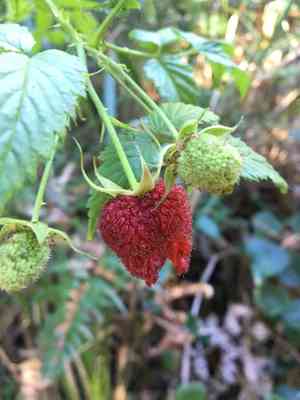
Quickly Identify Roseleaf bramble
1
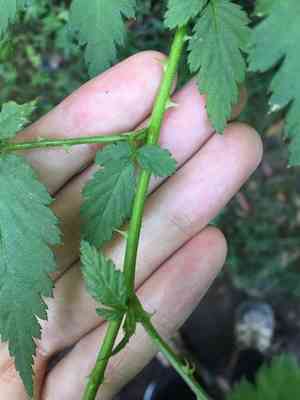
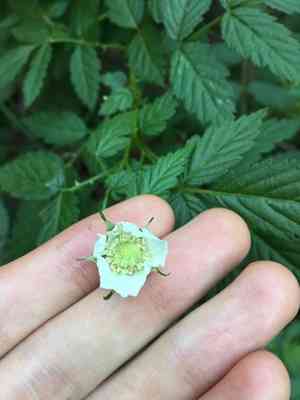
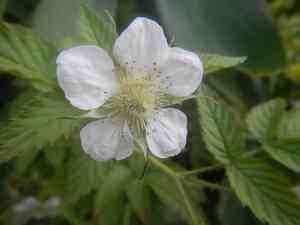
The identification of Rubus rosifolius can be done by examining its compound leaves with serrated edges, white or pale pink flowers, and red raspberry-like fruits. The stems are usually thorny.
Scientific Classification of Roseleaf bramble
Phylum
Vascular plants
Class
Dicotyledons
Order
Rosales
Family
Rose
Genus
Brambles
Species
Roseleaf bramble
Planting and Growing of Roseleaf bramble
Care Difficulty
Easy
Watering Schedule
Every 6 days
Sunlight Requirements
Partial sun
Sunshine Duration
4-6 hours
Ideal Temperature
60-75℉
Soil Type
Potting Mix, Peat Mix
Soil pH
6.5-7.5
Fertilizer Type
Balanced
Pruning Season
Spring, Summer
Pruning Area
Branches, Leaves
Pruning Frequency
2 times a year
Repotting Season
Spring
Pot Type
Plastic, Ceramic
 How to Water Roseleaf bramble?
For Rubus rosifolius, ensure that the soil is consistently moist but not waterlogged. Aim to water with about 250 ml each time. The soil should feel slightly damp to the touch, ensuring the roots receive adequate hydration without drowning them.
What are the symptoms of an underwatered Roseleaf bramble?
›
What should I do if my Roseleaf bramble is not getting enough water?
›
What are the symptoms of an overwatered Roseleaf bramble?
›
How to save an overwatered Roseleaf bramble?
›
 What Are the Sunlight Requirements for Roseleaf bramble?
Rubus rosifolius ideally requires partial sun to thrive. In such conditions, it receives enough light to carry out efficient photosynthesis, ensuring robust growth and optimal reproductive processes.
More About Sunlight Requirements Techniques→
What is the ideal lighting condition for Rubus rosifolius?
›
How can I achieve the ideal lighting for Rubus rosifolius?
›
What benefits does ideal lighting provide to Rubus rosifolius?
›
 What Is the Ideal Temperature Range for Roseleaf bramble?
The ideal temperature range for Rubus rosifolius is between 60°F to 75°F. This range ensures optimal growth and fruit production. Maintaining temperatures within this range allows the plant to photosynthesize efficiently and minimizes stress.
 What Soil is Best for Roseleaf bramble?
Rubus rosifolius thrives in soils with excellent drainage. Well-drained soil prevents root rot by allowing excess water to escape, providing the plant with a healthy root environment. This plant benefits from soils rich in organic matter, which supplies essential nutrients that promote robust growth and lush foliage. Compost or leaf mold can be added to boost soil fertility. While good drainage is important, maintaining adequate soil moisture is equally vital. Sandy loam helps retain sufficient moisture without becoming waterlogged, promoting steady and healthy growth.
 How to Fertilize Roseleaf bramble?
For Rubus rosifolius, the recommended amount is to use a balanced liquid fertilizer diluted to half strength, about 10 milliliters per liter of water. Apply 500 ml of the diluted solution per plant for each fertilization session.
 How to Prune Roseleaf bramble?
Begin by removing any dead or diseased canes at the base. This helps the plant focus its energy on healthy growth. Use clean, sharp shears to make a smooth cut at the base of the cane. Prune out the weakest canes to improve air circulation. This reduces the likelihood of disease and ensures each cane gets enough sunlight. Remove canes that are thinner than a pencil. Cut back lateral branches to control the spread and shape of the plant. Aim for a tidy, open structure that allows light into the center. This encourages more fruit production.
More About Pruning Techniques→
 How to Propagate Roseleaf bramble plant?
1
Harvest seeds from ripe fruits in early summer. Clean the seeds and allow them to dry in a shaded area before sowing to enhance the chances of germination.
2
Select healthy, non-flowering shoots in late spring. Cut a 15 cm section just below a node and remove the lower leaves, keeping only the top ones.
3
In spring, dig up the plant and carefully divide it into sections, ensuring each section has roots and shoots. Replant immediately in prepared soil.
 How to Repot Roseleaf bramble plant?
1
Rubus rosifolius should be repotted when roots start to emerge from the drainage holes or the growth slows down substantially. Another key indicator is when the soil doesn't retain moisture and dries out too quickly after watering.
2
Select a pot slightly larger than the current one, with sufficient drainage holes. A container that's too large holds excessive moisture leading to root rot, while one too small will restrict growth.
3
Choose a well-draining sandy loam soil to provide adequate aeration and moisture retention. This soil type prevents waterlogging while retaining essential nutrients for healthy plant growth.
Toxicity
N/A
WARNING
The judgment on toxicity and danger is for reference only. We DO NOT GUARANTEE any accuracy of such judgment. Therefore, you SHALL NOT rely on such judgment. It is IMPORTANT TO SEEK PROFESSIONAL ADVICE in advance when necessary.
Learn More About Roseleaf bramble Diseases
Anthracnose
Bacterial Leaf Spot
Black Spot
Chemical Injury
Crown Gall
Damping-off
Downy Mildew
Drought Stress
Fusarium Wilt
Gray Mold
Leaf Curl
Leaf Spot
Mosaic
Nutrient Deficiency
Nutrient Toxicity
Powdery Mildew
Root Rot
Root-knot Nematode
Rusts
Sooty Mold
Spider Mites
Temperature Stress
Thrips Damage
White Mold



