How to Transplant Pennsylvania blackberry?
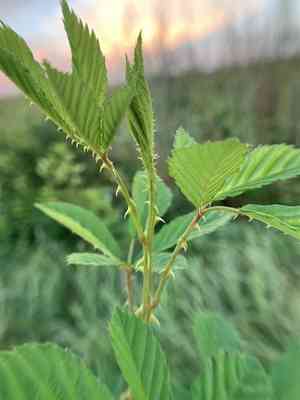
For Rubus pensilvanicus, the most favorable time for relocation is from the middle to the end of spring or the beginning of summer. During this period, ground temperatures are perfect, allowing the plant sufficient time to settle in prior to facing harsh weather conditions. Select a bright spot with soil that drains effectively for superior outcomes.
What Preparations are Needed Before Transplanting Pennsylvania Blackberry?
What is the Ideal Time for Transplanting Pennsylvania Blackberry?
Pennsylvania blackberry flourishes when moved in mid to late spring. This period, characterized by warm soil and ample moisture, ensures robust root development and consistent growth. Relocating during this time maximizes the plantâs resistance to summer heat and provides a growing season before winter dormancy, enhancing its long-term vitality and yield.
How Much Space Should You Leave Between Pennsylvania Blackberry Plants?
When relocating pennsylvania blackberry, ensure a spacing of 3-4 feet (approximately 0.9-1.2 meters) between them. This provides sufficient room for growth and promotes good air circulation.
What is the Best Soil Mix for Pennsylvania Blackberry Transplanting?
Prepare soil that drains well for pennsylvania blackberry. Loam or sandy loam is most suitable. Enhance the soil with compost or a slow-release, balanced fertilizer prior to transplanting. This supplies the plants with essential nutrients for a strong start.
Where Should You Relocate Your Pennsylvania Blackberry?
Select a sunny spot for pennsylvania blackberry. They flourish in full sun, requiring a minimum of 6-8 hours of sunlight daily. This will help them produce an abundance of sweet, juicy berries!
What Equipments Should You Prepare Before Transplantation Pennsylvania Blackberry?
Gardening Gloves
To safeguard your hands while handling soil and plants.
Shovel or Spade
For digging holes and trenches for relocation.
Watering Can or Hose
To hydrate the plant and its new site.
Pruning Shears
To trim damaged roots or stems.
Wheelbarrow
To move the plant if it is large or heavy.
Mulch
To aid in retaining soil moisture and regulating temperature.
How Do You Remove Pennsylvania Blackberry from the Soil?
How Do You Remove Pennsylvania Blackberry from the Soil?
From Ground: First, water the pennsylvania blackberry plant to moisten the soil. Then, dig a wide trench around the plant using a shovel or spade, ensuring the plant's root ball remains intact. Carefully work the spade beneath the root ball to lift the plant from its original spot.From Pot: Water the plant thoroughly. Gently invert the pot and tap its sides to loosen the soil. Carefully slide the plant out, supporting the root ball to prevent damage.From Seedling Tray: Ensure the soil in the seedling tray is damp. Use a small tool like a spoon or a planting dibble to lift the seedling from the tray, taking care to keep as much of the root system intact as possible.
Step-by-Step Guide for Transplanting Pennsylvania Blackberry
Prepare the New Location
Dig a hole that is twice as wide and the same depth as the root ball of the pennsylvania blackberry. Ensure the area is clear of weeds and debris.
AMakeup the Root Ball
If it is dense or tightly bound, gently untangle the roots. Trim any damaged or circling roots with pruning shears.
Transplant the Plant
Place the pennsylvania blackberry in the hole, ensuring itâs level with the surrounding soil. The top of the root ball should be even with or slightly above ground level.
Fill the Hole
Backfill the hole with soil, gently firming it to remove air pockets. Ensure the plant stands upright and is stable.
Water Thoroughly
Water the plant generously immediately after transplanting to help settle the soil and reduce transplant shock.
Mulch
Spread a layer of mulch around the base of the plant to help retain moisture and protect the roots.
How Do You Care For Pennsylvania Blackberry After Transplanting?
Watering
Keep the soil around the pennsylvania blackberry consistently moist, but not waterlogged, for the first few weeks after transplanting to help establish strong roots.
Mulching
Maintain a 2-3 inch layer of mulch around the plant to retain moisture and suppress weeds. Keep mulch a few inches away from the stem to prevent rot.
Monitoring
Regularly check for signs of transplant shock, such as wilting or yellowing leaves, and provide extra care as needed.
Pruning
Remove any damaged or dead stems to encourage healthy new growth.
Fertilizing
Wait until new growth begins before applying any fertilizer to avoid burning the roots. Use a balanced fertilizer according to package instructions.
Troubleshooting Common Issues with Pennsylvania Blackberry Transplantation.
When is the best time to transplant pennsylvania blackberry?
Relocate pennsylvania blackberry in mid to late spring or early summer for optimal results.
How much space should I leave between pennsylvania blackberry plants?
Space pennsylvania blackberry plants 3-4 feet (0.9-1.2 meters) apart for healthy growth.
What type of soil is best for pennsylvania blackberry?
Pennsylvania blackberry prefers well-draining soil enriched with organic matter like compost.
How deep should the planting hole be for pennsylvania blackberry?
Dig a hole 10 inches (25 cm) deep and wide enough to accommodate the root ball.
Should I water pennsylvania blackberry immediately after transplanting?
Yes, water pennsylvania blackberry thoroughly after transplanting to help establish roots.
Do I need to add fertilizer immediately after transplanting pennsylvania blackberry?
Avoid fertilizing immediately; wait a few weeks to let pennsylvania blackberry acclimate to its new location.
Is mulching necessary for transplanted pennsylvania blackberry?
Mulch around pennsylvania blackberry to retain moisture and control weeds, but keep it away from the stem.
How much sunlight does transplanted pennsylvania blackberry need?
Pennsylvania blackberry thrives in full sun, needing at least 6-8 hours of sunlight daily.
What should I do if pennsylvania blackberry shows signs of transplant shock?
Keep pennsylvania blackberry well-watered and protect it from extreme temperatures to ease transplant shock.
How can I ensure pennsylvania blackberry roots establish well after transplanting?
Keep the soil consistently moist and apply a root stimulator to encourage root growth.



