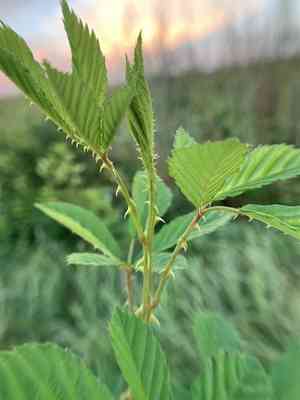
Pennsylvania blackberry (Rubus pensilvanicus)
Also known as: Pennsylvania Blackberry, Bristly Dewberry
The Pennsylvania blackberry, native to North America, is well-suited for dense thickets due to several key characteristics. Its sturdy, thorn-covered canes provide protection from herbivores, while its adaptable root system ensures access to nutrients and water. The plant's ability to produce both seeds and root suckers allows it to spread quickly and establish dominance. Additionally, its white flowers and subsequent red-to-black fruit cater to a variety of pollinators and animals, enhancing its propagation and survival in diverse environments.
In This Article
Attributes of Pennsylvania blackberry
Lifespan
Perennial
Plant Height
10 cm to 15 cm
Spread
10 cm to 15 cm
Leaf Color
Green
Flower Size
2.5 cm to 8 cm
Flower Color
White
Images of Pennsylvania blackberry
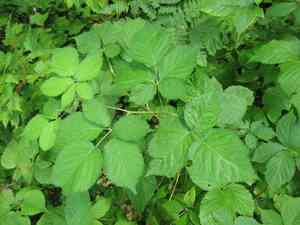
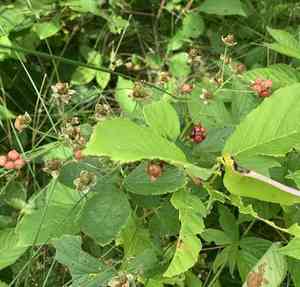
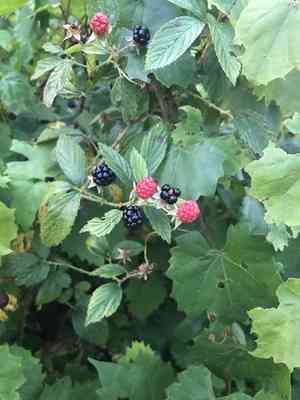
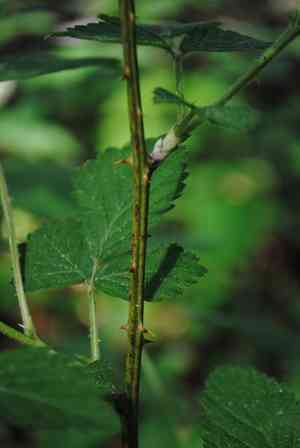
Quickly Identify Pennsylvania blackberry
1
Prickly or bristly stems distinguish this plant, crucial for identification.
2
Compound leaves with varying leaflets on different canes aid in recognition.
3
Globoid-ovoid fruits in red to black colors with sweet-tart flavor.
4
Distinct differences in leaflet numbers and petiolule lengths on canes.
5
Stem transitions from light green to red or black with stout prickles.
Scientific Classification of Pennsylvania blackberry
Phylum
Vascular plants
Class
Dicotyledons
Order
Rosales
Family
Rose
Genus
Brambles
Species
Pennsylvania blackberry
Planting and Growing of Pennsylvania blackberry
Care Difficulty
Easy
Watering Schedule
Every 4 days
Sunlight Requirements
Full sun
Sunshine Duration
6-10 hours
Ideal Temperature
60-75℉
Soil Type
Potting Mix, Peat Mix
Soil pH
5.5-7.5
Fertilizer Type
Balanced
Pruning Season
Spring, Summer
Pruning Area
Branches, Leaves
Pruning Frequency
2 times a year
Repotting Season
Spring
Pot Type
Terracotta, Plastic
 How to Water Pennsylvania blackberry?
Rubus pensilvanicus benefits from a watering routine that ensures the soil is thoroughly moist but not waterlogged. A typical watering session involves distributing about 500 ml of water evenly across the soil surface to allow it to reach the root zone effectively. Aim to water until you see moisture seep out of the bottom drainage holes or until the soil feels consistently moist when touched.
What are the symptoms of an underwatered Pennsylvania blackberry?
›
What should I do if my Pennsylvania blackberry is not getting enough water?
›
What are the symptoms of an overwatered Pennsylvania blackberry?
›
How to save an overwatered Pennsylvania blackberry?
›
 What Are the Sunlight Requirements for Pennsylvania blackberry?
Providing full sun to partial sun is crucial, ideally 6-8 hours daily. Such illumination ensures robust growth, plentiful flowering, and bountiful fruiting, making the plant more resistant to pests and diseases.
What is the ideal lighting setup?
›
How to achieve the ideal lighting conditions?
›
What are the benefits of ideal lighting conditions?
›
 What Is the Ideal Temperature Range for Pennsylvania blackberry?
Rubus pensilvanicus thrives best in temperatures ranging from 60°F to 75°F. This range allows the plant to photosynthesize efficiently and maintain optimal metabolic activities. During these temperatures, the plant can effectively uptake nutrients and water, promoting healthy growth and berry production. Gardeners aiming for the best yield should strive to maintain these temperature conditions, especially during the critical growing season.
 What Soil is Best for Pennsylvania blackberry?
Rubus pensilvanicus thrives in soil that drains well to prevent root rot. Proper drainage is vital as it maintains the necessary oxygen levels in the soil, which is essential for healthy root development and nutrient absorption. The plant benefits from soil rich in organic matter, providing ample nutrients. This richness supports vigorous growth and enhances fruit production, making it crucial to amend the planting site with compost or well-rotted manure. While drainage is important, the soil should also retain enough moisture to keep the plant hydrated. This balance is facilitated by loamy soil, which retains moisture without becoming waterlogged, ensuring the plant's roots have consistent access to water.
 How to Fertilize Pennsylvania blackberry?
For Rubus pensilvanicus, use a balanced fertilizer formula, such as 10-10-10 or 20-20-20, applying approximately 1 pound per plant for mature bushes. The application should be adjusted based on the plant's age and soil fertility, ensuring not to exceed recommended limits to avoid nutrient burn.
 How to Prune Pennsylvania blackberry?
In early spring, before the plant starts actively growing, identify the old canes that fruited in the previous season. Carefully cut these canes back to the ground level to encourage new growth. Removing old canes not only tidies the plant but also allows sunlight and air to reach the younger canes, promoting healthier growth and more abundant fruiting. Throughout the growing season, it's important to thin out the new canes when they become overcrowded. Choose the healthiest, strongest canes to keep and remove the weaker ones. This prevents competition for nutrients and sunlight, leading to stronger and more fruitful growth overall. Aim to leave about 6 to 8 strong canes per bush for optimal yield. In mid to late summer, once the new canes have reached their desired height, pinch or cut back the tips. Topping the canes encourages lateral branching, which can lead to an increased number of fruit-bearing branches. This step also helps in maintaining a manageable plant size and shape.
More About Pruning Techniques→
 How to Propagate Pennsylvania blackberry plant?
1
For seed propagation, prepare a seedbed by ensuring it is well-drained and contains rich organic matter. This helps provide the ideal environment for germinating seeds.
2
Select healthy, disease-free branches and take cuttings 6-8 inches long. Make clean cuts to ensure optimal rooting potential and reduce stress on the parent plant.
3
Divide clumps during early spring when the plants are still dormant. Use a sharp spade to separate and ensure each division has a good root system for better establishment.
 How to Repot Pennsylvania blackberry plant?
1
Rubus pensilvanicus, or the Pennsylvania blackberry, signals its need for repotting when roots begin to emerge from the drainage holes, showing signs of being root-bound. It's also wise to repot if the plant's growth appears stunted or if the soil retains excess moisture for too long, indicating compacted soil.
2
Select a pot that is at least two inches wider in diameter than the current one. This allows room for growth without overwhelming the roots. Pots with adequate drainage are crucial to prevent root rot, ensuring excess water escapes while providing space for the roots to thrive and breathe.
3
Opt for a well-draining loamy mix, enriched with organic matter. This soil composition balances moisture retention and drainage, providing essential nutrients, while ensuring that excess water does not suffocate the roots. It's vital for maintaining healthy growth and preventing common plant diseases.



