How to Prune Pennsylvania blackberry?
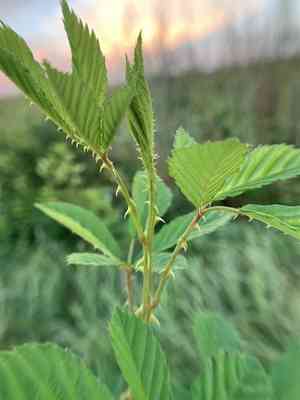
The Pennsylvania blackberry, recognized for its spiny stems and delectable berries, thrives with trimming in late winter or early spring. Eliminate any lifeless or frail canes to foster improved air movement and vitality. After the fruiting period, sever floricanes at ground level, stimulating the emergence of new primocane shoots. Reduce the number of canes to roughly six per plant, which diminishes the likelihood of disease and elevates the caliber of the fruit. Strategic pruning boosts berry yield and keeps the plant at a controllable dimension.
What Are the Benefits of Pruning Pennsylvania Blackberry?
What Are the Benefits of Pruning Pennsylvania Blackberry?
Pennsylvania blackberry pruning encourages robust development and maintains its form. It boosts fruit yield, manages plant size, enhances overall look, and can decrease vulnerability to pests and diseases, ensuring strong, healthy plants.
What Is the Best Time for Pruning Pennsylvania Blackberry?
What Is the Best Time for Pruning Pennsylvania Blackberry?
Trimming pennsylvania blackberry in late winter to early spring is ideal as this period aligns with the plant's dormant stage, lessening stress and minimizing disease risk. Pruning before new growth starts allows gardeners to shape the plant and remove dead or weak canes, ensuring healthier, more vigorous growth when the season begins. Additionally, this timing improves air circulation and light penetration, vital for fruit development and preventing fungal infections.
What Tools Do I Need to Prune Pennsylvania Blackberry?
Bypass Pruners
Perfect for making clean cuts on living stems and smaller branches up to 1/2 inch in diameter. Bypass pruners operate like scissors, allowing precise cuts that minimize plant damage.
Loppers
Useful for cutting thicker branches from 1/2 inch to 1 1/2 inches in diameter. They provide greater leverage and are especially helpful for removing older, woodier canes.
Pruning Saw
Essential for removing larger or more mature canes exceeding 1 1/2 inches in diameter. A pruning saw offers the necessary strength for clean cuts without excessive strain.
Gloves
Important for protecting hands from thorns and sharp cane edges. Choose heavy-duty gloves that cover forearms for complete protection.
Long-Handled Pruners
Helpful for reaching high or dense areas of pennsylvania blackberry without needing to stand on unstable ground. They offer precision and leverage, simplifying effective pruning.
How to Prune Pennsylvania Blackberry
Inspect
Carefully examine pennsylvania blackberry for any signs of illness or wilting, particularly on the leaves. Look for discoloration, spots, or dried edges.
Remove Diseased Leaves
Using clean, sharp pruning shears, snip off any diseased leaves. Cut as close to the stem as possible without harming the healthy part of the plant.
Remove Withered Leaves
Identify and trim any withered leaves using the same method. Ensure you cut close to the leaf's base to avoid leaving stubs that could harbor diseases.
Dispose Safely
Immediately remove and discard pruned leaves away from your garden to prevent the spread of potential pathogens. Avoid composting them unless certain they are disease-free.
Clean Tools
Sanitize your pruning tools with a disinfectant solution after each use to prevent cross-contamination between plants.
Common Pruning Mistakes with Pennsylvania Blackberry
Incorrect Cutting Techniques
Using improper tools or making jagged cuts can harm plant tissue, creating entry points for disease and hindering healing.
Pruning Too Much
Excessive pruning can remove too many canes, reducing the plant's ability to produce fruit and recover effectively.
Pruning at the Wrong Time
While seasonal timing is critical, pruning at an inappropriate developmental stage of the plant may impede flowering and fruiting processes.
Ignoring Dead or Diseased Wood
Failing to remove dead, damaged, or diseased canes can spread infections to healthy parts of the plant.
Uniform Pruning
Applying the same level of pruning to all parts of the plant can prevent optimal growth and fruit production.
Common Pruning Tips for Pennsylvania Blackberry
Use Sharp, Clean Tools
Always use sterilized, sharp pruners to make clean cuts, which helps the plant heal faster and reduces disease risk.
Cut at the Right Angle
Make cuts at a 45-degree angle above a bud to encourage healthy new growth and prevent water from collecting on the cut surface.
Remove Dead or Diseased Canes First
Prioritize removing any dead, damaged, or diseased wood before pruning healthy canes to prevent disease spread.
Selective Thinning
Thin out crowded areas by removing older canes to improve air circulation and light penetration, which helps reduce disease risk and enhances fruit quality.
Follow Growth Habit
Prune in a way that maintains the natural growth habit of pennsylvania blackberry, ensuring open centers and well-spaced canes for balanced growth and optimal fruit production.
Consider Cane Age
Leave the newer, more productive canes while removing older, less productive ones to keep the plant productive and vigorous over time.



