How to Transplant Hawthorn-leaved bramble?
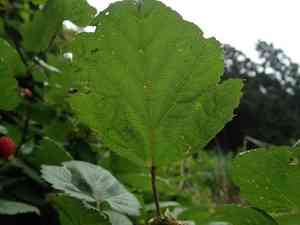
The optimal period for transplanting Rubus crataegifolius extends from the onset of early spring through the conclusion of late spring, leveraging temperate conditions and developmental phases. Select locations offering ample solar exposure and soil with good drainage. Exercising care protects the root system and facilitates adaptation.
What Preparations are Needed Before Transplanting Hawthorn-leaved Bramble?
What is the Ideal Time for Transplanting Hawthorn-leaved Bramble?
The prime period for relocating hawthorn-leaved bramble spans from late winter's thaw through early summer's mildness. Moving hawthorn-leaved bramble during this timeframe ensures the ground is moist yet warming, fostering vigorous root growth before summer's peak heat. This timing allows hawthorn-leaved bramble to establish itself with minimal stress, utilizing the season's natural growth surge for a robust, healthy beginning.
How Much Space Should You Leave Between Hawthorn-leaved Bramble Plants?
To allow your hawthorn-leaved brambles ample room to flourish, aim for a spacing of approximately 4-6 feet (1.2-1.8 meters). This provides sufficient space for development and air circulation, which is vital for their health.
What is the Best Soil Mix for Hawthorn-leaved Bramble Transplanting?
Your hawthorn-leaved brambles will thrive in soil that is rich and drains effectively. Prior to transplanting, incorporate compost or a balanced slow-release fertilizer to give them an excellent start. An ideal pH range is between 6.0 and 7.0, so test your soil and amend as necessary.
Where Should You Relocate Your Hawthorn-leaved Bramble?
Select a sunny location for your hawthorn-leaved brambles as they love sunlight. A spot receiving full sun to partial shade will be perfect. This means at least 4-6 hours of direct sunlight daily. Your hawthorn-leaved brambles will appreciate the warm rays!
What Equipments Should You Prepare Before Transplantation Hawthorn-leaved Bramble?
Gardening Gloves
To safeguard your hands while handling soil and plants.
Shovel or Spade
To excavate around and lift the hawthorn-leaved bramble's root ball.
Hand Trowel
For intricate tasks near roots and digging smaller holes.
Watering Can or Hose
To hydrate the hawthorn-leaved bramble before and after the transplanting process.
Pruning Shears
To trim any damaged roots or stems prior to transplanting.
Wheelbarrow
To move the hawthorn-leaved bramble, soil, or debris.
Garden Fork
To loosen the soil at the new planting site.
Rooting Hormone (optional)
To stimulate root development post-transplant.
How Do You Remove Hawthorn-leaved Bramble from the Soil?
How Do You Remove Hawthorn-leaved Bramble from the Soil?
From Ground: Start by watering the hawthorn-leaved bramble to ease soil manipulation. Dig a wide circle around the plant with a shovel or spade to encompass its root ball. Carefully slide the shovel beneath the root ball, then gently lift the hawthorn-leaved bramble, ensuring minimal root disturbance.From Pot: First, water the hawthorn-leaved bramble. Tilt the pot and gently tap it to loosen the root ball. If the hawthorn-leaved bramble doesn't release easily, carefully run a hand trowel along the pot's inner edge to help dislodge the roots before gently pulling the plant out.From Seedling Tray: Water the soil to soften it. Use a spoon or a dibber to carefully extract the seedling and its surrounding soil from the tray. Handle the young hawthorn-leaved bramble by its leaves rather than the stem to prevent injury.
Step-by-Step Guide for Transplanting Hawthorn-leaved Bramble
Preparation
Examine the hawthorn-leaved bramble's roots, removing any dead or damaged sections with pruning shears. Apply rooting hormone, if available, to encourage root growth.
Transplant Hole
Dig a hole in the prepared soil that is twice the width of the root ball and of equal depth, using a gardening fork to loosen the soil at the bottom for easier root penetration.
Positioning
Place the hawthorn-leaved bramble in the center of the hole. The stem's base should be level with the surrounding soil surface. Gently backfill the hole with soil, patting it down to eliminate air pockets.
Watering
Immediately after planting, thoroughly water the hawthorn-leaved bramble to settle the soil and provide moisture to the roots, avoiding over-saturation.
Stabilization
If necessary, stake the hawthorn-leaved bramble for support. Add a thin layer of mulch around the plant's base to help maintain soil moisture and temperature.
How Do You Care For Hawthorn-leaved Bramble After Transplanting?
Monitoring
Regularly check the soil moisture levels around the hawthorn-leaved bramble, and water when the top inch of soil feels dry. Avoid waterlogging to prevent root rot.
Protection
Shield the newly transplanted hawthorn-leaved bramble from strong winds or extreme temperatures using plant covers or burlap barriers if needed.
Pruning
Lightly trim any stems or leaves showing signs of stress or damage to conserve the hawthorn-leaved bramble's energy for root establishment.
Feeding
Delay fertilizing until the hawthorn-leaved bramble exhibits new growth, indicating it has begun to establish. Then, use a balanced fertilizer according to product instructions, if necessary.
Troubleshooting Common Issues with Hawthorn-leaved Bramble Transplantation.
What's the best timeframe to transplant hawthorn-leaved bramble?
Relocate hawthorn-leaved bramble when nature reawakens, from early to late spring, for optimal root establishment.
How far apart should I space hawthorn-leaved bramble when transplanting?
Allow hawthorn-leaved bramble room to flourish by spacing them 4-6 feet (1.2-1.8 meters) apart.
Why are the leaves of transplanted hawthorn-leaved bramble wilting?
Wilting post-transplant may be due to shock; ensure consistent watering and avoid direct sunlight initially.
How do I prepare the soil for transplanting hawthorn-leaved bramble?
Provide hawthorn-leaved bramble a strong start with well-draining, fertile soil, enriched with organic matter.
What's the ideal depth for planting hawthorn-leaved bramble's root ball?
Bury hawthorn-leaved bramble's root ball equally to its previous depth to prevent root stress or exposure.
How should I water hawthorn-leaved bramble after transplanting?
Water hawthorn-leaved bramble generously post-transplant to help roots settle in their new home, without waterlogging.
Can hawthorn-leaved bramble be transplanted on a hot day?
Preferably not. Choose a cool, overcast day to limit transplant shock and moisture loss for hawthorn-leaved bramble.
Should I prune hawthorn-leaved bramble before transplanting?
Trimming back hawthorn-leaved bramble can reduce stress; focus on damaged or excessively long stems.
How to tell if hawthorn-leaved bramble isn't adjusting post-transplant?
Stunted growth, leaf discoloration, or drop signifies hawthorn-leaved bramble may struggle; review watering and soil conditions.
What to do if hawthorn-leaved bramble's roots are circling in the pot?
Gently tease out circling roots before planting hawthorn-leaved bramble to encourage outward growth and prevent girdling.



