How to Prune Hawthorn-leaved bramble?
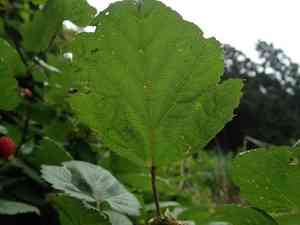
Hawthorn-leaved bramble, a deciduous shrub recognized for its thorny stalks and toothed foliage, flourishes with appropriate trimming. Perform yearly pruning in early spring or late winter to preserve its form and foster robust development. Eliminate any dead or ailing branches, reduce density in congested sections, and shorten excessively long shoots. This practice encourages fresh growth, potentially resulting in a more prolific fruit yield for this particular species. Utilizing sharp implements for precise cuts aids in averting harm and illness.
What Are the Benefits of Pruning Hawthorn-leaved Bramble?
What Are the Benefits of Pruning Hawthorn-leaved Bramble?
Trimming hawthorn-leaved bramble encourages strong development and maintains its desired form. Precise cuts promote better air flow, light penetration, and can result in more abundant blooms or fruit, ensuring hawthorn-leaved bramble stays robust and vibrant.
What Is the Best Time for Pruning Hawthorn-leaved Bramble?
What Is the Best Time for Pruning Hawthorn-leaved Bramble?
Pruning in late winter is optimal as hawthorn-leaved bramble enters a dormant phase during colder months, which minimizes sap loss and disease entry through cuts. This timing also allows gardeners to easily spot dead or diseased wood without foliage obstruction. Early spring pruning, just before new growth begins, supports the plant's natural cycle and helps invigorate hawthorn-leaved bramble for strong foliage and better flower and fruit yields in the coming season. It's also a strategic time to shape the plant and manage its size, as well as to remove any dead or weak stems damaged by winter conditions.
What Tools Do I Need to Prune Hawthorn-leaved Bramble?
Hand Pruners
Essential for making clean cuts on smaller stems and canes. Use bypass hand pruners rather than anvil types to avoid crushing the stems of hawthorn-leaved bramble.
Lopping Shears
Ideal for cutting through thicker canes that hand pruners cannot manage. They provide more leverage and have longer handles, which help in reaching into the dense growth of hawthorn-leaved bramble.
Pruning Saw
Necessary for removing old, woody canes and for managing large branches. A folding pruning saw is well-suited for precision cuts on hawthorn-leaved bramble.
Gloves
Due to the thorny nature of hawthorn-leaved bramble, wearing thick gloves is important to protect the hands during the pruning process.
Protective Clothing
Long sleeves and pants are recommended to guard against thorns when pruning hawthorn-leaved bramble.
How to Prune Hawthorn-leaved Bramble
Sterilize tools
Clean and sterilize pruning shears before starting to prevent the spread of disease while cutting hawthorn-leaved bramble.
Remove diseased material
Carefully cut away any diseased leaves and branches from hawthorn-leaved bramble. Make cuts into healthy tissue below the diseased sections to ensure complete removal.
Trim withered parts
Prune away withered leaves from hawthorn-leaved bramble to improve air circulation and light penetration, which may enhance overall plant health.
Cut dead branches
Identify and remove any dead branches from hawthorn-leaved bramble, making the cuts at the point where they meet healthy stem, but being careful to avoid cutting into the live tissue.
Prune to shape
Prune hawthorn-leaved bramble to maintain its desired shape and size, while also ensuring the removal of any excess growth that may lead to overcrowding.
Common Pruning Mistakes with Hawthorn-leaved Bramble
Over-pruning
Removing too much of hawthorn-leaved bramble's foliage can stress the plant, slow its growth, and minimize its fruiting potential.
Under-pruning
Neglecting to prune or pruning too little can lead to a dense growth habit, poor air circulation, and higher susceptibility to diseases.
Improper cut locations
Making cuts too far from a bud or node can lead to dead stubs, while cuts too close can damage the bud. This error could hinder healthy new growth.
Tearing
Using dull pruning tools can result in tearing of hawthorn-leaved bramble's branches, which creates open wounds that are vulnerable to pests and diseases.
Removal of healthy growth
Unnecessarily cutting away healthy branches can reduce the overall vigor and productivity of the plant.
Common Pruning Tips for Hawthorn-leaved Bramble
Sharp tools
Always use sharp and clean pruning tools to make precise cuts, which will help hawthorn-leaved bramble recover quickly and stay healthy.
Angled cuts
Make cuts at a 45-degree angle, about 1/4 inch above a bud facing the outside of the plant. This allows for water to run off and encourages outward growth.
Thinning
Thin out the center of hawthorn-leaved bramble to improve air circulation and sunlight penetration, which are essential for reducing the risk of disease and promoting healthy growth.
Selective pruning
Identify and selectively remove any dead, diseased, or crossing branches to maintain the structural integrity and aesthetic of hawthorn-leaved bramble.
Prune for shape
Prune hawthorn-leaved bramble to maintain its desired shape and size, but ensure to do so incrementally and never remove more than one-third of the plant's growth in a single session.



