How to Transplant Jute-leaved raspberry?
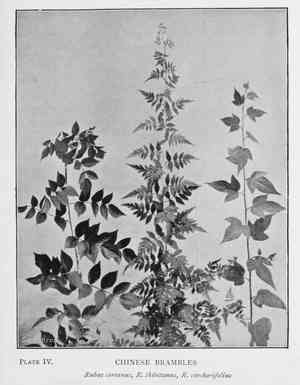
For jute-leaved raspberry, the key to successful relocation lies between late spring and early summer, utilizing consistent weather conditions for root development. Select a location offering partial shade, facilitating a smooth adjustment with generous mulching to preserve soil moisture.
What Preparations are Needed Before Transplanting Jute-leaved Raspberry?
What is the Ideal Time for Transplanting Jute-leaved Raspberry?
Move jute-leaved raspberry as days warm, from spring's start to summer's edge. This avoids frost and boosts growth. It helps jute-leaved raspberry root well, using longer days and mild temperatures, ideal for new growth. A helpful hint: this timing allows jute-leaved raspberry to adapt smoothly, providing a full season to thrive before winter.
How Much Space Should You Leave Between Jute-leaved Raspberry Plants?
When getting ready for your jute-leaved raspberry, aim to place each plant roughly 3 to 6 feet (about 1-2 meters) apart. This will give your jute-leaved raspberry ample room to thrive and reach its full potential!
What is the Best Soil Mix for Jute-leaved Raspberry Transplanting?
For your jute-leaved raspberry, well-drained, fertile soil is optimal. Enhance the planting area with a balanced, slow-release fertilizer to give your jute-leaved raspberry a strong start. Remember to mix in some organic compost for an added boost!
Where Should You Relocate Your Jute-leaved Raspberry?
Your jute-leaved raspberry will thrive in a sunny spot with some partial shade. Select a location that receives approximately 4 to 6 hours of sunlight daily, providing your jute-leaved raspberry with the perfect balance for robust development.
What Equipments Should You Prepare Before Transplantation Jute-leaved Raspberry?
Gardening Gloves
To safeguard your hands while handling soil and plants.
Hand Trowel
To assist in digging small holes and moving young or small plants.
Shovel or Spade
To excavate and transport the soil and root ball of larger specimens.
Pruning Shears
To trim any damaged roots or foliage prior to relocation.
Watering Can or Hose
To hydrate the jute-leaved raspberry plant before and after its move.
Wheelbarrow
To transport the jute-leaved raspberry plant and soil if necessary.
How Do You Remove Jute-leaved Raspberry from the Soil?
How Do You Remove Jute-leaved Raspberry from the Soil?
From Ground: First, moisten the jute-leaved raspberry plant's soil. Then, dig a wide trench around the plant with a shovel or spade, ensuring the root ball stays intact. Carefully work the spade beneath the root ball to lift the plant from its original spot.From Pot: Water the jute-leaved raspberry thoroughly beforehand. Tilt the pot sideways and tap the base to loosen the root ball. Gently slide the plant out, preserving the root ball's form.From Seedling Tray: Dampen the soil in the tray for easier removal. Use a hand trowel or dibber to carefully lift the jute-leaved raspberry seedling, focusing on keeping the roots intact with the surrounding soil.
Step-by-Step Guide for Transplanting Jute-leaved Raspberry
Choose the Right Time
Relocate your jute-leaved raspberry during its inactive phase or early in the growth period to minimize plant stress.
Prepare the New Site
Excavate a hole twice as wide and as deep as the plant's root ball. Loosen the soil at the bottom for easier root expansion.
Water before Transplant
Ensure the jute-leaved raspberry is well-hydrated a few hours before moving to lessen shock and help soil adhere to roots.
Careful Excavation
Use your tools to gently dig around and under the root ball, keeping as much soil around the roots as possible.
Transfer the Plant
Lift the jute-leaved raspberry with care and move it to the new spot either by hand or with a wheelbarrow if it's larger.
Positioning
Place the jute-leaved raspberry in the center of the prepared hole. The stem's base should be level with the ground.
Fill the Hole
Backfill the hole with soil, gently pressing down to remove air pockets. Do not bury the stem deeper than its original level.
Water Generously
Thoroughly water the jute-leaved raspberry after planting to settle the soil around the roots and aid in reducing transplant shock.
How Do You Care For Jute-leaved Raspberry After Transplanting?
Monitoring
Observe the jute-leaved raspberry for indications of transplant shock, such as wilting or discolored leaves.
Regular Watering
Maintain appropriate soil moisture, ensuring it's neither too wet to prevent root rot nor too dry.
Staking
If the jute-leaved raspberry is tall or in a windy location, provide support with stakes to prevent leaning or uprooting.
Troubleshooting Common Issues with Jute-leaved Raspberry Transplantation.
Why is my jute-leaved raspberry wilting after transplanting?
Wilting may occur if roots are overly disturbed. Ensure gentle handling and sufficient water after transplant.
How often should I water jute-leaved raspberry post-transplanting?
Water every couple of days to keep soil moist but not saturated, decreasing frequency as it settles.
What's the best time to transplant jute-leaved raspberry?
Relocate during cooler parts of the day in late spring to early summer for optimal results.
How much sun does jute-leaved raspberry need after being transplanted?
Provide jute-leaved raspberry with partial to full sunlight, gradually introducing it to prevent shock.
How deep should the hole be for transplanting jute-leaved raspberry?
Dig a hole twice as wide and as deep as the root ball to promote proper root development.
Can I apply fertilizer right after transplanting jute-leaved raspberry?
Wait a few weeks before fertilizing to avoid damaging new roots while they are establishing.
What is the correct spacing for transplanting jute-leaved raspberry?
Space jute-leaved raspberry about 3-6 feet (1-2 meters) apart to allow for growth and good air circulation.
What should I do if the leaves of jute-leaved raspberry turn yellow after transplanting?
Yellowing leaves can signal stress or overwatering. Check moisture levels and reduce watering if needed.
How can I tell if jute-leaved raspberry is rooted well after transplanting?
Stable growth and new foliage indicate good rooting. Avoid pulling the plant to test its stability.
What kind of mulch is best for jute-leaved raspberry after transplanting?
Use organic mulch like straw or bark to retain moisture, regulate soil temperature, and deter weeds.



